
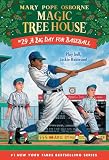
A Big Day for Baseball
Magic Tree House, Book 29
by Mary Pope Osborne
Reading Profile
Should I read this?
Short, lively chapter-book that blends time travel, a gentle mystery, and kid-focused baseball fun. The prose is simple and action-driven, with a magical device that launches a game-night adventure set in Brooklyn; it's built to entertain early independent readers or to be read aloud. Main value: accessible entry point to sports-flavored historical moments and playful problem-solving. Main limitation: historical context is thin and the plot stays episodic and straightforward, so adults seeking nuance may find it too skimpy.
Read this if...
- •an elementary-school teacher planning a 15–20 minute read-aloud during a unit on sports or local history — short chapters and clear beats fit a classroom schedule
- •a parent trying to tempt a 6–9-year-old who prefers physical play into books — the mix of magic and baseball links active interests to reading
- •a children's librarian assembling a themed summer-reading handout (sports or time travel) — quick, self-contained chapters make it easy to recommend
Skip this if...
- •you'll likely put it down when the same simple explanations and episodic plotting repeat — readers wanting unfolding complexity may lose interest by mid-story
- •annoying if you prefer richly detailed historical background or realistic sports instruction — historical snapshots are cursory and the baseball help is magical rather than technical
- •not a fit for readers seeking literary prose or layered themes — tone stays straightforward and kid-directed rather than nuanced
Meet Jackie Robinson and solve a mystery in the #1 bestselling Magic Tree House chapter book series! PLAY BALL! Jack and Annie aren't great baseball players . . . yet! Then Morgan the librarian gives them magical baseball caps that will make them experts. They just need to wear the caps to a special ballgame in Brooklyn, New York. The magic tree ho...
Before You Buy
Reading Specifications
Difficulty:easy
Audience Fit
- an elementary-school teacher planning a 15–20 minute read-aloud during a unit on sports or local history — short chapters and clear beats fit a classroom schedule
- a parent trying to tempt a 6–9-year-old who prefers physical play into books — the mix of magic and baseball links active interests to reading
- a children's librarian assembling a themed summer-reading handout (sports or time travel) — quick, self-contained chapters make it easy to recommend
- you'll likely put it down when the same simple explanations and episodic plotting repeat — readers wanting unfolding complexity may lose interest by mid-story
- annoying if you prefer richly detailed historical background or realistic sports instruction — historical snapshots are cursory and the baseball help is magical rather than technical
- not a fit for readers seeking literary prose or layered themes — tone stays straightforward and kid-directed rather than nuanced
Check formats, pricing, and availability options for Kindle, physical print, or audiobooks directly.
View available editions on AmazonKey themes
Why recommended
appears in Baseball, Sports, and Science Fiction.
Recommendation Signals
Recommendation proof is sourced from public posts, interviews, reading lists, and cited references.
No verified recommendation proof available yet.
Appears In
Not sure if this is the right fit?
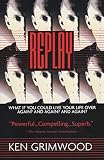
Consider Replay by Ken Grimwood. Recommended by 6 sources.
“Ken Grimwood spins a compact, character-driven time-loop tale about Jeff Winston reliving adulthood with full memory. it reads as intimate and reflective: scenes return with new moral weight as the protagonist tests wealth, love, and purpose. What works best is its sustained moral thought experiment—what you would change when given do-overs—delivered with wry melancholy rather than spectacle. Limitations include repetitive beats (similar choices resurfacing) and little interest in scientific explanation, so readers expecting action or hard sci‑fi answers will feel let down.”
Similar books
How recommendation signals are reviewed
Each recommendation is collected from a public source — interviews, articles, or curated lists — and linked to its original URL. Books with many verifiable recommendations from respected people rank higher.