
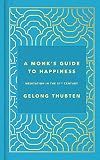
A Monk's Guide to Happiness
Meditation in the 21st century
by Gelong Thubten
Reading Profile
Should I read this?
Gelong Thubten writes in a warm, plain-spoken way, mixing personal stories, Buddhist framing, and pragmatic tips aimed at everyday happiness and basic meditation practice. The useful part is its steady, humane tone and short, approachable sections that make mindfulness feel attainable without technical jargon. The limiting part is its occasional repetition and reliance on anecdote over detailed secular explanations; readers looking for step-by-step programs or empirical justification may find it lightweight.
Read this if...
- •a busy mid-level manager juggling meetings and deadlines who wants short, usable language to build tiny daily calming habits between tasks — the chapters are brief and practical.
- •a newcomer to Buddhist ideas curious about applying compassion and ethical attention to daily life — the book translates teachings into everyday examples rather than doctrinal detail.
- •a teacher or caregiver feeling frazzled and seeking a kinder inner voice — the tone models gentle self-talk and small perspective shifts you can re-run mentally between duties.
Skip this if...
- •you'll likely put it down when the same stories and reframings recur; the middle sections can feel repetitious if you want new techniques on every page.
- •annoying if you prefer secular, scientific explanations or step-by-step protocols — the book favors anecdote and practical counsel over experimental evidence.
- •not good if you want hands-on exercises or a workbook; it offers guidance and examples but contains no structured, repeatable exercise program.
The Sunday Times bestseller 'Thubten is a very generous and kind monk who writes with the lived honesty and humour of someone who has experienced the wisdom he shares. His writing is full of inspiration but also the pragmatism needed to form a sustainable practice. His book clearly illustrates why we all need meditation and mindfulness in our lives...
Before You Buy
Reading Specifications
Difficulty:easy
Audience Fit
- a busy mid-level manager juggling meetings and deadlines who wants short, usable language to build tiny daily calming habits between tasks — the chapters are brief and practical.
- a newcomer to Buddhist ideas curious about applying compassion and ethical attention to daily life — the book translates teachings into everyday examples rather than doctrinal detail.
- a teacher or caregiver feeling frazzled and seeking a kinder inner voice — the tone models gentle self-talk and small perspective shifts you can re-run mentally between duties.
- you'll likely put it down when the same stories and reframings recur; the middle sections can feel repetitious if you want new techniques on every page.
- annoying if you prefer secular, scientific explanations or step-by-step protocols — the book favors anecdote and practical counsel over experimental evidence.
- not good if you want hands-on exercises or a workbook; it offers guidance and examples but contains no structured, repeatable exercise program.
Check formats, pricing, and availability options for Kindle, physical print, or audiobooks directly.
View available editions on AmazonKey themes
Why recommended
appears in Spiritual, Spirituality, and Philosophy.
Recommendation Signals
Recommendation proof is sourced from public posts, interviews, reading lists, and cited references.
No verified recommendation proof available yet.
Appears In
Not sure if this is the right fit?
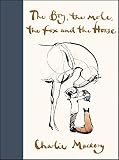
Consider The Boy, the Mole, the Fox and the Horse by Charlie Mackesy. Recommended by 8 sources.
“Soft-spoken, heavily illustrated fable built from short dialogues and watercolor sketches. Each spread pairs a spare line of text with a loose drawing, so the pleasure is visual and aphoristic rather than narrative; readers collect felt-true sentences more than plot. Most useful when you want quick consolations, a prompt for conversation with a child, or a pause during a rough day. Limiting if you want sustained argument, concrete advice, or tightly plotted storytelling: the repetition of gentleness can feel sentimental or thin after a while.”
Similar books
The Boy, the Mole, the Fox and the Horse
Charlie Mackesy
The World as It Is
Ben Rhodes
Out of Control
Kevin Kelly
The Bully Pulpit
Doris Kearns Goodwin
The Seven Spiritual Laws of Success
Deepak Chopra
Billions and Billions
Carl Sagan
Anger
Gary ChapmanFactfulness
Hans RoslingHow recommendation signals are reviewed
Each recommendation is collected from a public source — interviews, articles, or curated lists — and linked to its original URL. Books with many verifiable recommendations from respected people rank higher.