
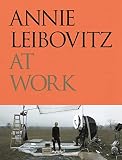
Annie Leibovitz at Work
by Annie Leibovitz
Reading Profile
Should I read this?
Annie Leibovitz at Work combines practical studio-minded notes with long first-person recollections. The reading experience alternates concrete advice about staging, lighting decisions, and on-set logistics with narrative chapters that place photos inside personal and cultural moments. The most useful sections are the shoot-level descriptions and decision-making snapshots that help demystify professional portraiture. The main limitation is balance: tactical nuggets appear unevenly beside extended stories and self-reflection, so readers expecting a pure how-to guide may find the pace indulgent.
Read this if...
- •an aspiring portrait photographer assembling a portfolio, who wants real examples of lighting, staging, and on-the-spot problem solving rather than textbook diagrams.
- •an art student preparing a short presentation on contemporary portraiture, who needs vivid first-person production anecdotes to illustrate how high-profile images are planned and executed.
- •a reader who enjoys craft-focused memoirs and plans to consume the book in chunks over several evenings, looking for voice, tradecraft glimpses, and studio lore rather than systematic analysis.
Skip this if...
- •you'll likely put it down when chapters slip into long reminiscences without new technical takeaways — that stretch is where readers often lose momentum.
- •annoying if you prefer a rigorous step-by-step manual: the book supplies descriptive process and judgment calls but lacks checklist-style instruction.
- •annoying if you dislike personality-driven storytelling or self-reflection on career and fame; the author’s voice and anecdotal pacing carry the book more than tidy lessons.
Annie Leibovitz, our most celebrated living photographer, explains how her pictures are madeLeibovitz addresses young photographers and readers interested in what photographers do, but any reader interested in contemporary history will be fascinated by her account of one of the richest bodies of work in the photographic canon. The subjects include ...
Before You Buy
Reading Specifications
Difficulty:hard
Audience Fit
- an aspiring portrait photographer assembling a portfolio, who wants real examples of lighting, staging, and on-the-spot problem solving rather than textbook diagrams.
- an art student preparing a short presentation on contemporary portraiture, who needs vivid first-person production anecdotes to illustrate how high-profile images are planned and executed.
- a reader who enjoys craft-focused memoirs and plans to consume the book in chunks over several evenings, looking for voice, tradecraft glimpses, and studio lore rather than systematic analysis.
- you'll likely put it down when chapters slip into long reminiscences without new technical takeaways — that stretch is where readers often lose momentum.
- annoying if you prefer a rigorous step-by-step manual: the book supplies descriptive process and judgment calls but lacks checklist-style instruction.
- annoying if you dislike personality-driven storytelling or self-reflection on career and fame; the author’s voice and anecdotal pacing carry the book more than tidy lessons.
Check formats, pricing, and availability options for Kindle, physical print, or audiobooks directly.
View available editions on AmazonKey themes
Why recommended
appears in Photography, Art, and Nonfiction.
Recommendation Signals
Recommendation proof is sourced from public posts, interviews, reading lists, and cited references.
No verified recommendation proof available yet.
Appears In
Not sure if this is the right fit?
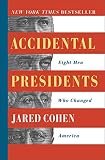
Consider Accidental Presidents by Jared Cohen. Recommended by 10 sources.
“Accidental Presidents offers eight narrative portraits of men who succeeded to the U.S. presidency without election, using anecdote-rich scenes and readable context to show how personality and circumstance interact with office power. It’s strongest as a set of self-contained stories that make succession stakes concrete for non-specialist readers; it does not prioritize dense archival argument or exhaustive methodology, so expect some interpretive generalizations and repeated themes across cases. Use it for fast historical orientation rather than scholarly deep-dives.”
Similar books


How recommendation signals are reviewed
Each recommendation is collected from a public source — interviews, articles, or curated lists — and linked to its original URL. Books with many verifiable recommendations from respected people rank higher.