
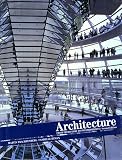
Architecture,
From Prehistory to Postmodernity, Reprint (2nd Edition)
by Marvin Trachtenberg
Reading Profile
Should I read this?
Marvin Trachtenberg's Architecture alternates broad historical overviews with close readings of key buildings, using abundant illustrations to anchor points. It feels like a guided exhibition: periods are placed in social and intellectual context, then individual works are inspected for formal and aesthetic detail. Most useful for sharpening the ability to tell one period from another and spotting why certain buildings look and function the way they do. Limitation: the prose often assumes architectural vocabulary, so casual readers may find passages dense.
Read this if...
- •architecture student preparing for a survey exam or writing a comparative essay — helpful now for clear period distinctions and illustrated examples to cite.
- •museum educator or public-program planner assembling an illustrated talk on architectural movements — handy when you need readable syntheses plus visuals for slides and narration.
- •art-history-minded traveler planning building-focused visits — good for pre-trip context that highlights social and aesthetic cues to watch for on site.
Skip this if...
- •casual picture-browser who expects a mostly visual coffee-table book — annoying if you want images with minimal text.
- •someone looking for practical design instruction or step-by-step techniques — lacks hands-on exercises and how-to guidance.
- •you'll likely put it down when long, jargon-heavy close readings stack up in the middle sections; slow, academic chapters are the common drop-off point for readers who prefer brisk prose.
Moving back and forth between the long view of historical trends and closeups on major works and crucial architectural themes, this lavishlyillustrated survey explains specific qualities of periods in depth and the complex illuminating differences between them in social, intellectual, and aesthetic terms....
Before You Buy
Reading Specifications
Difficulty:hard
Audience Fit
- architecture student preparing for a survey exam or writing a comparative essay — helpful now for clear period distinctions and illustrated examples to cite.
- museum educator or public-program planner assembling an illustrated talk on architectural movements — handy when you need readable syntheses plus visuals for slides and narration.
- art-history-minded traveler planning building-focused visits — good for pre-trip context that highlights social and aesthetic cues to watch for on site.
- casual picture-browser who expects a mostly visual coffee-table book — annoying if you want images with minimal text.
- someone looking for practical design instruction or step-by-step techniques — lacks hands-on exercises and how-to guidance.
- you'll likely put it down when long, jargon-heavy close readings stack up in the middle sections; slow, academic chapters are the common drop-off point for readers who prefer brisk prose.
Check formats, pricing, and availability options for Kindle, physical print, or audiobooks directly.
View available editions on AmazonKey themes
Why recommended
appears in Architecture, Art, and History.
Recommendation Signals
Recommendation proof is sourced from public posts, interviews, reading lists, and cited references.
No verified recommendation proof available yet.
Appears In
Not sure if this is the right fit?
Consider Accidental Presidents by Jared Cohen. Recommended by 10 sources.
“Accidental Presidents offers eight narrative portraits of men who succeeded to the U.S. presidency without election, using anecdote-rich scenes and readable context to show how personality and circumstance interact with office power. It’s strongest as a set of self-contained stories that make succession stakes concrete for non-specialist readers; it does not prioritize dense archival argument or exhaustive methodology, so expect some interpretive generalizations and repeated themes across cases. Use it for fast historical orientation rather than scholarly deep-dives.”
Similar books

How recommendation signals are reviewed
Each recommendation is collected from a public source — interviews, articles, or curated lists — and linked to its original URL. Books with many verifiable recommendations from respected people rank higher.