
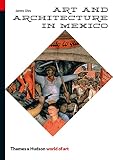
Art and Architecture, in Mexico
by James Oles
Reading Profile
Should I read this?
James Oles offers a single-author, chronological sweep of Mexican art from the Spanish Conquest to the early twenty-first century, moving across painting, sculpture, architecture, prints, and photography. The value lies in its breadth and in the interpretive links drawn between periods and media, which can reframe familiar works. The downside is a steady, detail-rich tone: chapters accumulate archival material and chronological argumentation, so casual readers seeking quick, illustrated browsing may find the pace taxing rather than lively.
Read this if...
- •graduate art-history student building a course on Mexican art who needs a single-author chronological spine and cross-media readings to structure lectures and assigned texts.
- •museum curator planning a multi-period exhibition who must connect colonial, modern, and contemporary pieces in wall text and catalogue essays to justify exhibition narratives.
- •architecture student or designer researching Mexican architectural history for a thesis or project who wants historical sweep and contextual readings that link buildings to broader visual culture.
Skip this if...
- •You’ll likely put it down when chapters settle into long, chronology-heavy passages filled with archival detail and dense interpretation — that’s where momentum commonly slows.
- •Annoying if you prefer a photo-first, breezy travelogue or coffee-table experience — the emphasis is interpretive history over abundant, casual image-browsing.
- •Not a great match if you want short, punchy polemics or fast takes; the tone is steady and scholarly rather than snappy or overtly argumentative.
This new interpretive history of Mexican art from the Spanish Conquest to the early decades of the twenty-first century is the most comprehensive introduction to the subject in fifty years. James Oles ranges widely across media and genres, offering new readings of painting, sculpture, Architecture,, prints, and photographs. He interprets major works...
Before You Buy
Reading Specifications
Difficulty:hard
Audience Fit
- graduate art-history student building a course on Mexican art who needs a single-author chronological spine and cross-media readings to structure lectures and assigned texts.
- museum curator planning a multi-period exhibition who must connect colonial, modern, and contemporary pieces in wall text and catalogue essays to justify exhibition narratives.
- architecture student or designer researching Mexican architectural history for a thesis or project who wants historical sweep and contextual readings that link buildings to broader visual culture.
- You’ll likely put it down when chapters settle into long, chronology-heavy passages filled with archival detail and dense interpretation — that’s where momentum commonly slows.
- Annoying if you prefer a photo-first, breezy travelogue or coffee-table experience — the emphasis is interpretive history over abundant, casual image-browsing.
- Not a great match if you want short, punchy polemics or fast takes; the tone is steady and scholarly rather than snappy or overtly argumentative.
Check formats, pricing, and availability options for Kindle, physical print, or audiobooks directly.
View available editions on AmazonKey themes
Why recommended
appears in Architecture and Nonfiction.
Recommendation Signals
Recommendation proof is sourced from public posts, interviews, reading lists, and cited references.
No verified recommendation proof available yet.
Appears In
Not sure if this is the right fit?
Consider Accidental Presidents by Jared Cohen. Recommended by 10 sources.
“Accidental Presidents offers eight narrative portraits of men who succeeded to the U.S. presidency without election, using anecdote-rich scenes and readable context to show how personality and circumstance interact with office power. It’s strongest as a set of self-contained stories that make succession stakes concrete for non-specialist readers; it does not prioritize dense archival argument or exhaustive methodology, so expect some interpretive generalizations and repeated themes across cases. Use it for fast historical orientation rather than scholarly deep-dives.”
Similar books

How recommendation signals are reviewed
Each recommendation is collected from a public source — interviews, articles, or curated lists — and linked to its original URL. Books with many verifiable recommendations from respected people rank higher.