
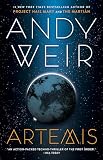
Artemis
A Novel
by Andy Weir
Reading Profile
Should I read this?
Artemis reads like a fast, moon-set caper in a jokey first-person voice. Jazz Bashara is a small-time smuggler whose debts and hustles push a plot of theft, sabotage, and improvisation; the fun comes from quick-witted narration and frequent, geeky problem-solving scenes. Main value: vivid, practical-feeling lunar logistics and clever, make-do solutions that turn into set-piece moments. Main limitation: recurring technical asides and the protagonist’s brash tone can feel repetitive or grating by the middle for readers wanting deeper character work.
Read this if...
- •a software engineer coming off a crunch who wants a brainy, playful escape—technical puzzles and on-the-fly solutions feel like reward, not homework
- •a commuter or weekend reader looking for an 8–12 hour, plot-forward read with short scenes and snappy dialogue to unwind
- •a tabletop or worldbuilding GM sketching a lunar colony setting who wants concrete, plausibly gritty details about life, supply chains, and small-time illicit economies
Skip this if...
- •you'll likely put it down when long stretches become technical problem-solving punctuated by the narrator’s snark—if that bores you, this drags
- •annoying if you prefer introspective, quietly-drawn characters or slow, literary prose—the lead is loud and the emotional depth stays surface-level
- •annoying if you want sober, methodical worldbuilding rather than caper energy—the plot privileges clever fixes over systemic realism
Jazz Bashara is a criminal. Well, sort of. Life on Artemis, the first and only city on the moon, is tough if you're not a rich tourist or an eccentric billionaire. So smuggling in the occasional harmless bit of contraband barely counts, right Not when you've got debts to pay and your job as a porter barely covers the rent. Everything changes when ...
Before You Buy
Reading Specifications
Difficulty:hard
Audience Fit
- a software engineer coming off a crunch who wants a brainy, playful escape—technical puzzles and on-the-fly solutions feel like reward, not homework
- a commuter or weekend reader looking for an 8–12 hour, plot-forward read with short scenes and snappy dialogue to unwind
- a tabletop or worldbuilding GM sketching a lunar colony setting who wants concrete, plausibly gritty details about life, supply chains, and small-time illicit economies
- you'll likely put it down when long stretches become technical problem-solving punctuated by the narrator’s snark—if that bores you, this drags
- annoying if you prefer introspective, quietly-drawn characters or slow, literary prose—the lead is loud and the emotional depth stays surface-level
- annoying if you want sober, methodical worldbuilding rather than caper energy—the plot privileges clever fixes over systemic realism
Check formats, pricing, and availability options for Kindle, physical print, or audiobooks directly.
View available editions on AmazonKey themes
Why recommended
Recommended by 2 sources and appears in Most Recommended Books, Science Fiction, and Fiction.
Recommended by notable people
People and public figures who have recommended this book.
Recommendation Signals
Recommendation proof is sourced from public posts, interviews, reading lists, and cited references.
Max Levchin
“This is another work by Andy Weir (author of The Martian), and it’s a very fun read that I would classify as part of the guilty pleasure section of my personal library”
Appears In
Not sure if this is the right fit?
Consider The Republic by Plato. Recommended by 13 sources.
“Plato stages an extended Socratic conversation that moves from concrete questions about justice into broad proposals about an ideal city, the structure of the soul, and what counts as reality and knowledge. Reading alternates brisk question-and-answer snippets with long, cumulative demonstrations that reward careful attention and annotation. Main value: a wealth of thought experiments for testing political and ethical intuitions. Main limitation: repetitive refutations, long policy sketches and dense metaphysical passages can feel abstruse and slow; patience and some philosophical background help.”
Similar books




How recommendation signals are reviewed
Each recommendation is collected from a public source — interviews, articles, or curated lists — and linked to its original URL. Books with many verifiable recommendations from respected people rank higher.