
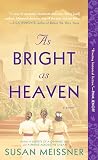
As Bright as Heaven
by Susan Meissner
Reading Profile
Should I read this?
Set in 1918 Philadelphia during the Spanish flu, As Bright as Heaven stays close to one family's losses and small recoveries. The novel's most useful part is its intimate, scene-driven attention to grief, caregiving, and the daily choices that follow tragedy, written in plain, descriptive prose. Its limitation is a steady lean toward sentimentality and prolonged domestic detail that can blunt forward motion. If you want forensic historical context or brisk plotting, the middle sections can feel repetitive or drawn-out. It reads warmly for those who want slow emotional repair but can feel indulgent to readers who favor leaner craft.
Read this if...
- •a high-school history teacher preparing a unit on the 1918 pandemic who wants classroom-friendly fictional windows into daily life rather than technical history
- •a hospice or caregiving volunteer looking for fiction that lingers on the small logistics and tenderness of care, because the book focuses on domestic routines and emotional labor
- •a book-club member selecting a discussion pick about choices under strain, since the moral decisions and family dynamics create clear conversational scenes
Skip this if...
- •you'll likely put it down when the narrative lingers on repeated domestic routines and extended grief scenes—midbook stretches can feel slow
- •annoying if you prefer spare, modernist prose or tightly plotted thrillers; this is roomy, descriptive storytelling with emotional layering
- •skip if you want a detailed, analytical history of the 1918 pandemic—the book prioritizes personal perspective over forensic historical exposition
From the acclaimed author of The Last Year of the War comes a novel set during the Spanish flu pandemic of 1918, telling the story of a family reborn through loss and love.In 1918, Philadelphia was a city teeming with promise. Even as its young men went off to fight in the Great War, there were opportunities for a fresh start on its cobblestone str...
Before You Buy
Reading Specifications
Difficulty:hard
Audience Fit
- a high-school history teacher preparing a unit on the 1918 pandemic who wants classroom-friendly fictional windows into daily life rather than technical history
- a hospice or caregiving volunteer looking for fiction that lingers on the small logistics and tenderness of care, because the book focuses on domestic routines and emotional labor
- a book-club member selecting a discussion pick about choices under strain, since the moral decisions and family dynamics create clear conversational scenes
- you'll likely put it down when the narrative lingers on repeated domestic routines and extended grief scenes—midbook stretches can feel slow
- annoying if you prefer spare, modernist prose or tightly plotted thrillers; this is roomy, descriptive storytelling with emotional layering
- skip if you want a detailed, analytical history of the 1918 pandemic—the book prioritizes personal perspective over forensic historical exposition
Check formats, pricing, and availability options for Kindle, physical print, or audiobooks directly.
View available editions on AmazonKey themes
Why recommended
appears in Historical Fiction and Fiction.
Recommendation Signals
Recommendation proof is sourced from public posts, interviews, reading lists, and cited references.
No verified recommendation proof available yet.
Appears In
Not sure if this is the right fit?
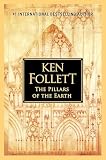
Consider The Pillars of the Earth by Ken Follett. Recommended by 5 sources.
“This sprawling, detail-rich historical novel follows cathedral builders, nobles, and townspeople across decades, delivering immersive scene-setting and a steady accumulation of plotlines. Its useful part is the sustained attention to craft—architecture, politics, rivalry—that makes the medieval world tangible. The main limitation is repetitive melodrama and swings in pacing: long, satisfying set pieces sit beside stretches that feel slow or contrived. Better read slowly rather than skimmed; readers who stick it out will find payoff in the concluding convergences.”
Similar books
How recommendation signals are reviewed
Each recommendation is collected from a public source — interviews, articles, or curated lists — and linked to its original URL. Books with many verifiable recommendations from respected people rank higher.