
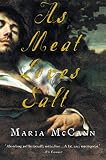
As Meat Loves Salt
by Maria McCann
Reading Profile
Should I read this?
Starts as an intimate, sensory plunge into seventeenth-century England: trenches, camp life, and private rooms rendered in muscular prose. Its useful part is bringing lower-ranking soldiers' physical and emotional lives into focus, pairing political unrest with raw desire and quiet cruelty. Limitations: prose can be heavy and repetitive, scenes of violence and eroticism are explicit and sustained, and narrative momentum sometimes stalls beneath atmosphere. Best appreciated by readers who tolerate moral ambiguity and slow-burning, tactile storytelling.
Read this if...
- •an undergraduate student preparing for a seminar on early modern England who wants a novel that humanizes rank-and-file soldiers and sparks discussion of everyday life in wartime
- •a queer reader assembling historical queer narratives who prefers frank, explicit depictions of desire embedded in difficult moral contexts rather than sanitized coming-out stories
- •a writer or fiction editor studying sensory period prose who wants dense, tactile sentence-level examples for crafting atmosphere and intimate scenes
Skip this if...
- •you'll likely put it down when the atmosphere becomes relentlessly bleak and the prose lingers on violent or sexual detail without clear narrative payoff
- •annoying if you prefer fast plots and clean moral lines — pacing is slow and characters are morally ambiguous rather than heroic or redeeming
- •frustrating if you want a modern-style, plot-driven historical thriller or a gentle romance; explicit content and heavy atmosphere make this a poor fit
In the seventeenth century, the English Revolution is under way. The nation, seething with religious and political discontent, has erupted into violence and terror. Jacob Cullen and his fellow soldiers dream of rebuilding their lives when the fighting is over. But the shattering events of war will overtake them. A darkly erotic tale of passion and ...
Before You Buy
Reading Specifications
Difficulty:hard
Audience Fit
- an undergraduate student preparing for a seminar on early modern England who wants a novel that humanizes rank-and-file soldiers and sparks discussion of everyday life in wartime
- a queer reader assembling historical queer narratives who prefers frank, explicit depictions of desire embedded in difficult moral contexts rather than sanitized coming-out stories
- a writer or fiction editor studying sensory period prose who wants dense, tactile sentence-level examples for crafting atmosphere and intimate scenes
- you'll likely put it down when the atmosphere becomes relentlessly bleak and the prose lingers on violent or sexual detail without clear narrative payoff
- annoying if you prefer fast plots and clean moral lines — pacing is slow and characters are morally ambiguous rather than heroic or redeeming
- frustrating if you want a modern-style, plot-driven historical thriller or a gentle romance; explicit content and heavy atmosphere make this a poor fit
Check formats, pricing, and availability options for Kindle, physical print, or audiobooks directly.
View available editions on AmazonKey themes
Why recommended
appears in Historical Fiction and Fiction.
Recommendation Signals
Recommendation proof is sourced from public posts, interviews, reading lists, and cited references.
No verified recommendation proof available yet.
Appears In
Not sure if this is the right fit?
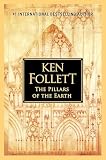
Consider The Pillars of the Earth by Ken Follett. Recommended by 5 sources.
“This sprawling, detail-rich historical novel follows cathedral builders, nobles, and townspeople across decades, delivering immersive scene-setting and a steady accumulation of plotlines. Its useful part is the sustained attention to craft—architecture, politics, rivalry—that makes the medieval world tangible. The main limitation is repetitive melodrama and swings in pacing: long, satisfying set pieces sit beside stretches that feel slow or contrived. Better read slowly rather than skimmed; readers who stick it out will find payoff in the concluding convergences.”
Similar books
How recommendation signals are reviewed
Each recommendation is collected from a public source — interviews, articles, or curated lists — and linked to its original URL. Books with many verifiable recommendations from respected people rank higher.