
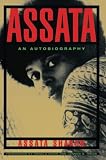
Assata
An Autobiography
by Assata Shakur
Recommended by 4 notable people, including Emily Ratajkowski and Linda Sarsour
Check price on AmazonProof-backed recommendation
Amazon availability
Reading Profile
Should I read this?
Assata is a first-person memoir that moves between vivid incident scenes—hospital bedside, arrests, jail—and long stretches of legal record and political argument. The strongest passages are immediate sensory detail and an unapologetic voice that insists on being heard. Repetition of themes and dense procedural passages can stall narrative momentum and feel polemical. Best used as testimony and a personal reckoning rather than a neutral history; read it when you want voice and presence more than exhaustive documentation.
Read this if...
- •graduate student writing a thesis on 1970s U.S. activist movements who needs vivid first-person material about arrests, incarceration, and self-presentation to complement archival sources.
- •community organizer preparing a workshop on policing and state power who wants a scene-driven text that sparks discussion and emotional response from participants.
- •avid prison-memoir reader comparing voices who prefers sensory, outspoken testimony over detached, heavily footnoted accounts and wants a book that foregrounds lived experience.
Skip this if...
- •you'll likely put it down when long legal transcripts, courtroom procedure, or repeated polemical passages dominate the middle sections and slow the forward motion.
- •annoying if you prefer balanced, neutral history — the narrative is unapologetically partisan and circles the same political points at times.
- •not a fit for light, escapist reading; the subject matter and tone demand emotional attention and patience through dense stretches.
On May 2, 1973, Black Panther Assata Shakur (aka JoAnne Chesimard) lay in a hospital, close to death, handcuffed to her bed, while local, state, and federal police attempted to question her about the shootout on the New Jersey Turnpike that had claimed the life of a white state trooper. Long a target of J. Edgar Hoover's campaign to defame, infiltr...
Before You Buy
Reading Specifications
Difficulty:hard
Audience Fit
- graduate student writing a thesis on 1970s U.S. activist movements who needs vivid first-person material about arrests, incarceration, and self-presentation to complement archival sources.
- community organizer preparing a workshop on policing and state power who wants a scene-driven text that sparks discussion and emotional response from participants.
- avid prison-memoir reader comparing voices who prefers sensory, outspoken testimony over detached, heavily footnoted accounts and wants a book that foregrounds lived experience.
- you'll likely put it down when long legal transcripts, courtroom procedure, or repeated polemical passages dominate the middle sections and slow the forward motion.
- annoying if you prefer balanced, neutral history — the narrative is unapologetically partisan and circles the same political points at times.
- not a fit for light, escapist reading; the subject matter and tone demand emotional attention and patience through dense stretches.
Check formats, pricing, and availability options for Kindle, physical print, or audiobooks directly.
View available editions on AmazonKey themes
Why recommended
Recommended by 4 sources and appears in History and Nonfiction.
Recommended by notable people
People and public figures who have recommended this book.
Recommendation Signals
Recommendation proof is sourced from public posts, interviews, reading lists, and cited references.
Scottie Beam
“I love assata! Enjoy! can't wait to see the book you buy :) | These five books are a MUST READ. #transformative”
View sources (3) ▾80%
Appears In
Not sure if this is the right fit?
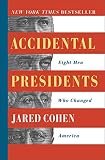
Consider Accidental Presidents by Jared Cohen. Recommended by 10 sources.
“Accidental Presidents offers eight narrative portraits of men who succeeded to the U.S. presidency without election, using anecdote-rich scenes and readable context to show how personality and circumstance interact with office power. It’s strongest as a set of self-contained stories that make succession stakes concrete for non-specialist readers; it does not prioritize dense archival argument or exhaustive methodology, so expect some interpretive generalizations and repeated themes across cases. Use it for fast historical orientation rather than scholarly deep-dives.”
Similar books

How recommendation signals are reviewed
Each recommendation is collected from a public source — interviews, articles, or curated lists — and linked to its original URL. Books with many verifiable recommendations from respected people rank higher.