
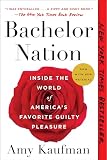
Bachelor Nation
Inside the World of America's Favorite Guilty Pleasure
by Amy Kaufman
Reading Profile
Should I read this?
Brisk, anecdote-rich account of the Bachelor franchise that blends behind-the-scenes reporting with pop-culture commentary. Kaufman gathers production detail, contestant stories, and industry context to show how the show stayed culturally central across sixteen years and dozens of seasons. The book's strength is its timeline-and-context approach, which helps link moments on screen to broader TV trends. Its main limitation is an unauthorized, anecdotal focus that sometimes slips into speculative or repetitive passages and offers uneven sourcing for readers seeking exhaustive documentation.
Read this if...
- •a TV critic writing a feature on reality programming — needs colorful production anecdotes and timelines to illustrate how a format shaped audience habits
- •a media-studies grad student mapping the rise of competition-based dating shows — wants readable industry history and concrete examples rather than dense academic prose
- •a devoted viewer who binges the franchise and likes backstage gossip — wants connective context and backstage stories to deepen fandom
Skip this if...
- •you'll likely put it down when the book lingers on production minutiae, contract mechanics, or long recaps of similar episodes — that mid-section can feel repetitive
- •annoying if you prefer sober, fully sourced academic treatment rather than unauthorized anecdotes and speculative asides
- •not a fit if you avoid celebrity culture or reality-TV voyeurism — the tone leans conversational and gossip-friendly rather than detached
A New York Times Bestseller The first definitive, unauthorized, behindthescenes cultural history of the Bachelor franchise, America's favorite guilty pleasure.For sixteen years and thirtysix seasons, the Bachelor franchise has been a mainstay in American TV viewers' lives. Since it premiered in 2002, the show's popularity and relevance have on...
Before You Buy
Reading Specifications
Difficulty:hard
Audience Fit
- a TV critic writing a feature on reality programming — needs colorful production anecdotes and timelines to illustrate how a format shaped audience habits
- a media-studies grad student mapping the rise of competition-based dating shows — wants readable industry history and concrete examples rather than dense academic prose
- a devoted viewer who binges the franchise and likes backstage gossip — wants connective context and backstage stories to deepen fandom
- you'll likely put it down when the book lingers on production minutiae, contract mechanics, or long recaps of similar episodes — that mid-section can feel repetitive
- annoying if you prefer sober, fully sourced academic treatment rather than unauthorized anecdotes and speculative asides
- not a fit if you avoid celebrity culture or reality-TV voyeurism — the tone leans conversational and gossip-friendly rather than detached
Check formats, pricing, and availability options for Kindle, physical print, or audiobooks directly.
View available editions on AmazonKey themes
Why recommended
Recommended by 2 sources and appears in Most Recommended Books and Nonfiction.
Recommended by notable people
People and public figures who have recommended this book.
Recommendation Signals
Recommendation proof is sourced from public posts, interviews, reading lists, and cited references.
Judd Apatow
“That is a fantastic piece of writing about a show I watch religiously for reasons you just helped me decode. I don’t know if I feel better or worse about myself but I really enjoyed it and I bought the book!”
Appears In
Not sure if this is the right fit?
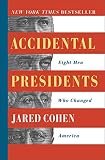
Consider Accidental Presidents by Jared Cohen. Recommended by 10 sources.
“Accidental Presidents offers eight narrative portraits of men who succeeded to the U.S. presidency without election, using anecdote-rich scenes and readable context to show how personality and circumstance interact with office power. It’s strongest as a set of self-contained stories that make succession stakes concrete for non-specialist readers; it does not prioritize dense archival argument or exhaustive methodology, so expect some interpretive generalizations and repeated themes across cases. Use it for fast historical orientation rather than scholarly deep-dives.”
Similar books

How recommendation signals are reviewed
Each recommendation is collected from a public source — interviews, articles, or curated lists — and linked to its original URL. Books with many verifiable recommendations from respected people rank higher.