
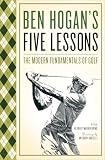
Ben Hogan's Five Lessons
The Modern Fundamentals of Golf
by Ben Hogan
Reading Profile
Should I read this?
Ben Hogan's Five Lessons reads like a tightly focused, prescriptive manual: short chapters, precise language, and many line drawings. Its practical value is a clear, sequential breakdown of grip, stance, backswing, downswing and follow-through that you can use as an on-range reference. The main limitation is an old-school voice and a degree of prescriptive certainty—readers wanting modern biomechanics, video walkthroughs, or structured practice drills will find it thin. Diagrams help, but the book lacks guided practice sessions.
Read this if...
- •a weekend golfer trying to fix a persistent slice before a summer season — wants clear, stepwise cues and diagrams to check on the range.
- •an assistant coach teaching beginners fundamentals — needs a compact checklist of stance, grip and swing stages to communicate in practice.
- •a returning player rebuilding basics after a long break — wants a focused, no-frills refresher to follow between practice sessions.
Skip this if...
- •you'll likely put it down when you expected video drills, slow‑motion breakdowns, or interactive practice plans—this is text-and-diagram instruction, not multimedia coaching.
- •annoying if you prefer modern biomechanics or evidence-heavy explanations; the book leans on prescriptive rules and period language rather than contemporary science.
- •lose interest if you want motivating stories or variety—repetitive technical emphasis and a tightly drill-focused tone can feel dry after a few chapters.
an alternate cover edition can be found hereA timeless classic with nearly one million copies in print, Ben Hogan?s Five Lessons outlines the building blocks of winning golf from one of the alltime masters of the sport?fully illustrated with drawings and diagrams to improve your game instantly.Ben Hogan, one of the greatest golfers in the history ...
Before You Buy
Reading Specifications
Difficulty:easy
Audience Fit
- a weekend golfer trying to fix a persistent slice before a summer season — wants clear, stepwise cues and diagrams to check on the range.
- an assistant coach teaching beginners fundamentals — needs a compact checklist of stance, grip and swing stages to communicate in practice.
- a returning player rebuilding basics after a long break — wants a focused, no-frills refresher to follow between practice sessions.
- you'll likely put it down when you expected video drills, slow‑motion breakdowns, or interactive practice plans—this is text-and-diagram instruction, not multimedia coaching.
- annoying if you prefer modern biomechanics or evidence-heavy explanations; the book leans on prescriptive rules and period language rather than contemporary science.
- lose interest if you want motivating stories or variety—repetitive technical emphasis and a tightly drill-focused tone can feel dry after a few chapters.
Check formats, pricing, and availability options for Kindle, physical print, or audiobooks directly.
View available editions on AmazonKey themes
Why recommended
appears in Golf, Sports, and Nonfiction.
Recommendation Signals
Recommendation proof is sourced from public posts, interviews, reading lists, and cited references.
No verified recommendation proof available yet.
Appears In
Not sure if this is the right fit?
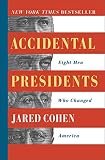
Consider Accidental Presidents by Jared Cohen. Recommended by 10 sources.
“Accidental Presidents offers eight narrative portraits of men who succeeded to the U.S. presidency without election, using anecdote-rich scenes and readable context to show how personality and circumstance interact with office power. It’s strongest as a set of self-contained stories that make succession stakes concrete for non-specialist readers; it does not prioritize dense archival argument or exhaustive methodology, so expect some interpretive generalizations and repeated themes across cases. Use it for fast historical orientation rather than scholarly deep-dives.”
Similar books

How recommendation signals are reviewed
Each recommendation is collected from a public source — interviews, articles, or curated lists — and linked to its original URL. Books with many verifiable recommendations from respected people rank higher.