
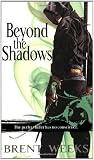
Beyond the Shadows
The Night Angel Trilogy, 3 (Night Angel (3))
by Brent Weeks
Reading Profile
Should I read this?
Beyond the Shadows moves quickly and leans into physical stakes: big set pieces, assassination scenes, and blunt political collapse push the plot forward. What works best is momentum and emotional consequence—choices have visible fallout rather than quiet reflection. The main limitation is tonal repetition: the book cycles between brutal action and anguished moral wrangling, and some character moments trade subtlety for spectacle, which will frustrate readers who expect quieter psychological depth or varied pacing.
Read this if...
- •A software engineer who’s already read the earlier books and has a long weekend free: fits now because the fast plot momentum and concentrated action let you finish a major arc in one binge session.
- •A tabletop RPG GM running a gritty campaign and prepping sessions for the next month: fits now because it supplies vivid assassination beats, combat choreography, and morally messy dilemmas you can adapt directly into encounters.
- •A graduate student between semesters looking for an immersive break: fits now because the book rewards sustained reading with cliffhanger chapters and continuous tension rather than scattered short pieces.
Skip this if...
- •You’ll likely put it down when the narrative keeps delivering brutal set pieces and then circles back to anguished introspection without much tonal variety—readers who need quieter chapters for breathing room often abandon it here.
- •Annoying if you prefer subtle prose or restrained character study; the book favors spectacle and blunt emotional beats over quiet nuance.
- •Lose interest if you want a standalone read—this is anchored in an ongoing conflict and assumes some prior threads, so newcomers may find the politics and debts confusing.
A new queen has usurped the throne and is leading Cenaria into disaster. The country has become a broken realm with a threadbare army, little food and no hope. So Kylar Stern plans to reinstate his closest friend Logan as King, but can he really get away with murderIn the north, the Godking's death has thrown Khalidor into civil war. To gain the u...
Before You Buy
Reading Specifications
Difficulty:hard
Audience Fit
- A software engineer who’s already read the earlier books and has a long weekend free: fits now because the fast plot momentum and concentrated action let you finish a major arc in one binge session.
- A tabletop RPG GM running a gritty campaign and prepping sessions for the next month: fits now because it supplies vivid assassination beats, combat choreography, and morally messy dilemmas you can adapt directly into encounters.
- A graduate student between semesters looking for an immersive break: fits now because the book rewards sustained reading with cliffhanger chapters and continuous tension rather than scattered short pieces.
- You’ll likely put it down when the narrative keeps delivering brutal set pieces and then circles back to anguished introspection without much tonal variety—readers who need quieter chapters for breathing room often abandon it here.
- Annoying if you prefer subtle prose or restrained character study; the book favors spectacle and blunt emotional beats over quiet nuance.
- Lose interest if you want a standalone read—this is anchored in an ongoing conflict and assumes some prior threads, so newcomers may find the politics and debts confusing.
Check formats, pricing, and availability options for Kindle, physical print, or audiobooks directly.
View available editions on AmazonKey themes
Why recommended
appears in Assassin, Dark Fantasy, and Fantasy.
Recommendation Signals
Recommendation proof is sourced from public posts, interviews, reading lists, and cited references.
No verified recommendation proof available yet.
Appears In
Not sure if this is the right fit?
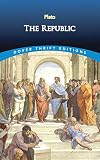
Consider The Republic by Plato. Recommended by 13 sources.
“Plato stages an extended Socratic conversation that moves from concrete questions about justice into broad proposals about an ideal city, the structure of the soul, and what counts as reality and knowledge. Reading alternates brisk question-and-answer snippets with long, cumulative demonstrations that reward careful attention and annotation. Main value: a wealth of thought experiments for testing political and ethical intuitions. Main limitation: repetitive refutations, long policy sketches and dense metaphysical passages can feel abstruse and slow; patience and some philosophical background help.”
Similar books
How recommendation signals are reviewed
Each recommendation is collected from a public source — interviews, articles, or curated lists — and linked to its original URL. Books with many verifiable recommendations from respected people rank higher.