
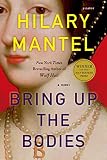
Bring Up the Bodies
Thomas Cromwell, Book 2
by Hilary Mantel
Reading Profile
Should I read this?
Reading this sequel to Wolf Hall feels like being planted inside a single shrewd mind at the heart of Tudor court politics: close third-person narration, long, sinuous sentences, and scenes that recreate power play and procedural maneuvering. Its useful part is the granular, present-tense-feel of political intrigue and character psychology, which rewards careful, patient reading. Its main limitation is prose density and the repetition of tactical detail; readers wanting quick plot momentum or one-sitting entertainment may find it slow and occasionally opaque.
Read this if...
- •a graduate student preparing a seminar paper on Tudor-era historical fiction who needs a tightly focused example of close-focalized narrative and political reconstruction
- •an early-career novelist studying voice who wants to see how sustained close third-person can render morally ambiguous decision-making and everyday courtcraft
- •a reader who finished Wolf Hall and wants the immediate continuation — best when you already remember the earlier book and want more of the same immersive vantage point
Skip this if...
- •you'll likely put it down when long procedural scenes repeat the same tactical maneuvers and legalistic detail — mid-book sections can feel plodding
- •annoying if you prefer clear, brisk prose and a fast-moving plot; sentence density and elliptical references demand attention
- •not for casual beach-or-commute reading — better suited to slow, focused sessions than to skimming or fragmented reading
WINNER OF THE 2012 MAN BOOKER PRIZEThe sequel to Wolf Hall, Hilary Mantel's 2009 Man Booker Prize winner and New York Times bestseller, Bring Up the Bodies delves into the heart of Tudor history with the downfall of Anne Boleyn.Though he battled for seven years to marry her, Henry is disenchanted with Anne Boleyn. She has failed to give him a son a...
Before You Buy
Reading Specifications
Difficulty:hard
Audience Fit
- a graduate student preparing a seminar paper on Tudor-era historical fiction who needs a tightly focused example of close-focalized narrative and political reconstruction
- an early-career novelist studying voice who wants to see how sustained close third-person can render morally ambiguous decision-making and everyday courtcraft
- a reader who finished Wolf Hall and wants the immediate continuation — best when you already remember the earlier book and want more of the same immersive vantage point
- you'll likely put it down when long procedural scenes repeat the same tactical maneuvers and legalistic detail — mid-book sections can feel plodding
- annoying if you prefer clear, brisk prose and a fast-moving plot; sentence density and elliptical references demand attention
- not for casual beach-or-commute reading — better suited to slow, focused sessions than to skimming or fragmented reading
Check formats, pricing, and availability options for Kindle, physical print, or audiobooks directly.
View available editions on AmazonKey themes
Why recommended
Recommended by 1 source and appears in Fiction.
Recommended by notable people
People and public figures who have recommended this book.
Recommendation Signals
Recommendation proof is sourced from public posts, interviews, reading lists, and cited references.
Jess Brammar
“I’ve ploughed through books in last few months, using @BorrowBox or @audible to listen as I walk. Loved Queenie, Wolf Hall series, Line of Beauty, Beekeeper of Aleppo, The Color Purple, Between The World And Me. Didn’t love Overstory or Where Crawdads Sing but both decent”
Appears In
Not sure if this is the right fit?
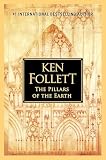
Consider The Pillars of the Earth by Ken Follett. Recommended by 5 sources.
“This sprawling, detail-rich historical novel follows cathedral builders, nobles, and townspeople across decades, delivering immersive scene-setting and a steady accumulation of plotlines. Its useful part is the sustained attention to craft—architecture, politics, rivalry—that makes the medieval world tangible. The main limitation is repetitive melodrama and swings in pacing: long, satisfying set pieces sit beside stretches that feel slow or contrived. Better read slowly rather than skimmed; readers who stick it out will find payoff in the concluding convergences.”
Similar books
How recommendation signals are reviewed
Each recommendation is collected from a public source — interviews, articles, or curated lists — and linked to its original URL. Books with many verifiable recommendations from respected people rank higher.