
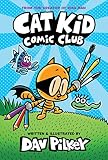
Cat Kid Comic Club
From the Creator of Dog Man
by Dav Pilkey
Reading Profile
Should I read this?
Bright, fast-paced graphic novel for early readers built from short comics, visual jokes, and classroom-style chaos. Its most useful quality is contagious energy: many tiny gag strips and goofy staging invite playful copying and quick laughs. Limitations are predictable — jokes repeat, slapstick dominates, and deeper plot or character arcs are minimal. Best enjoyed in short sittings or as a read-aloud; not ideal if you want calm, reflective storytelling.
Read this if...
- •parent of a 6–8-year-old looking for a lively read-aloud to hold squirmy listeners—short, punchy pages and loud visuals keep attention and spark kids to doodle their own tiny comics afterward.
- •elementary teacher (grades 1–3) launching a brief comics unit or library circle—the book’s short segments fit 10–15 minute reads and provide lots of examples to prompt student drawing time.
- •independent young reader (5–9) who prefers picture-driven slapstick and quick gags and wants something to dip into between longer chapter books.
Skip this if...
- •you'll likely put it down when the gag-repeat rhythm and frantic page layouts feel like noise rather than entertainment—readers craving an unfolding plot often stop mid-way.
- •annoying if you prefer subtle humor, slow-building character development, or calmer illustrations; the book favors rapid punchlines over depth.
- •not a fit if you wanted step-by-step comics instruction or hands-on exercises—the pages offer playful examples rather than structured lessons and it lacks hands-on exercises.
A pioneering new graphic novel series by Dav Pilkey, the author and illustrator of the internationally bestselling Dog Man and Captain Underpants series.In Cat Kid Comic Club, Li'l Petey, Flippy, and Molly introduce twentyone rambunctious, funny, and talented baby frogs to the art of comic making. As the story unwinds with mishaps and hilarity, re...
Before You Buy
Reading Specifications
Difficulty:easy
Audience Fit
- parent of a 6–8-year-old looking for a lively read-aloud to hold squirmy listeners—short, punchy pages and loud visuals keep attention and spark kids to doodle their own tiny comics afterward.
- elementary teacher (grades 1–3) launching a brief comics unit or library circle—the book’s short segments fit 10–15 minute reads and provide lots of examples to prompt student drawing time.
- independent young reader (5–9) who prefers picture-driven slapstick and quick gags and wants something to dip into between longer chapter books.
- you'll likely put it down when the gag-repeat rhythm and frantic page layouts feel like noise rather than entertainment—readers craving an unfolding plot often stop mid-way.
- annoying if you prefer subtle humor, slow-building character development, or calmer illustrations; the book favors rapid punchlines over depth.
- not a fit if you wanted step-by-step comics instruction or hands-on exercises—the pages offer playful examples rather than structured lessons and it lacks hands-on exercises.
Check formats, pricing, and availability options for Kindle, physical print, or audiobooks directly.
View available editions on AmazonKey themes
Why recommended
appears in For 7 Year Olds and Fiction.
Recommendation Signals
Recommendation proof is sourced from public posts, interviews, reading lists, and cited references.
No verified recommendation proof available yet.
Appears In
Not sure if this is the right fit?
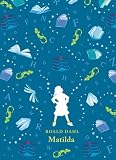
Consider Matilda by Roald Dahl. Recommended by 3 sources.
“Matilda follows a sharp, bookish child who contends with neglectful parents and a terrifying headmistress before discovering a strange power. The narrative is brisk, comic, and often gleefully mean: episodes of nastiness are played for dark humor and catharsis rather than realism. What works best is a quick, entertaining underdog tale that delights in clever comeuppance and celebrates imagination. Limitation: adults are caricatured, and the escalating cruelty may feel one-note or unsettling to readers who prefer subtler emotional stakes.”
Similar books
How recommendation signals are reviewed
Each recommendation is collected from a public source — interviews, articles, or curated lists — and linked to its original URL. Books with many verifiable recommendations from respected people rank higher.