
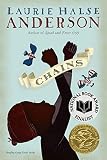
Chains
Seeds Of America Trilogy, Book 1
by Laurie Halse Anderson
Reading Profile
Should I read this?
Reading Chains feels immediate and intimate: thirteen-year-old Isabel’s voice drives a tight, often harrowing narrative set against the opening of the Revolutionary War. Its useful part is putting everyday brutality of enslavement alongside patriotic rhetoric, forcing moral contradictions into plain view. The prose is spare and sometimes poetic, which heightens feeling but also makes repeated scenes of cruelty feel relentless. Readers wanting gentle coming-of-age comfort or neat closure may find the tone punishing rather than consoling.
Read this if...
- •an 11th-grade U.S. History teacher building a week-long unit on Revolutionary-era rhetoric vs. reality who needs a compact novel that keeps class discussion focused on an enslaved girl's perspective and moral contradictions
- •a 15-year-old student assigned summer reading who prefers intense first-person YA and must finish a short book over a weekend, because the tight voice and shorter length make it manageable while matching upcoming classroom topics
- •a small adult book-club organizer picking a single-meeting selection on patriotism and moral ambiguity who wants a brief, emotionally charged novel that reliably sparks debate about loyalty, freedom, and complicity
Skip this if...
- •you'll likely put it down when scenes of cruelty pile up without much narrative relief; readers who need lighter, hopeful pacing will find it exhausting
- •annoying if you prefer plot-driven, battle-focused historical adventure rather than a narrow, character-driven interior perspective
- •avoid if you want tidy resolutions or upbeat endings; the story leans into ambiguity, loss, and complicated aftertaste rather than neat closure
As the Revolutionary War begins, thirteenyearold Isabel wages her own fight...for freedom. Promised freedom upon the death of their owner, she and her sister, Ruth, in a cruel twist of fate become the property of a malicious New York City couple, the Locktons, who have no sympathy for the American Revolution and even less for Ruth and Isabel. Whe...
Before You Buy
Reading Specifications
Difficulty:hard
Audience Fit
- an 11th-grade U.S. History teacher building a week-long unit on Revolutionary-era rhetoric vs. reality who needs a compact novel that keeps class discussion focused on an enslaved girl's perspective and moral contradictions
- a 15-year-old student assigned summer reading who prefers intense first-person YA and must finish a short book over a weekend, because the tight voice and shorter length make it manageable while matching upcoming classroom topics
- a small adult book-club organizer picking a single-meeting selection on patriotism and moral ambiguity who wants a brief, emotionally charged novel that reliably sparks debate about loyalty, freedom, and complicity
- you'll likely put it down when scenes of cruelty pile up without much narrative relief; readers who need lighter, hopeful pacing will find it exhausting
- annoying if you prefer plot-driven, battle-focused historical adventure rather than a narrow, character-driven interior perspective
- avoid if you want tidy resolutions or upbeat endings; the story leans into ambiguity, loss, and complicated aftertaste rather than neat closure
Check formats, pricing, and availability options for Kindle, physical print, or audiobooks directly.
View available editions on AmazonKey themes
Why recommended
appears in Revolutions and Fiction.
Recommendation Signals
Recommendation proof is sourced from public posts, interviews, reading lists, and cited references.
No verified recommendation proof available yet.
Appears In
Not sure if this is the right fit?
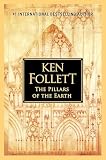
Consider The Pillars of the Earth by Ken Follett. Recommended by 5 sources.
“This sprawling, detail-rich historical novel follows cathedral builders, nobles, and townspeople across decades, delivering immersive scene-setting and a steady accumulation of plotlines. Its useful part is the sustained attention to craft—architecture, politics, rivalry—that makes the medieval world tangible. The main limitation is repetitive melodrama and swings in pacing: long, satisfying set pieces sit beside stretches that feel slow or contrived. Better read slowly rather than skimmed; readers who stick it out will find payoff in the concluding convergences.”
Similar books
How recommendation signals are reviewed
Each recommendation is collected from a public source — interviews, articles, or curated lists — and linked to its original URL. Books with many verifiable recommendations from respected people rank higher.