
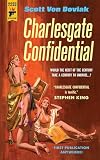
Charlesgate Confidential
by Scott Von Doviak
Reading Profile
Should I read this?
Charlesgate Confidential stitches three timelines (1946, 1986, present) around a Boston museum theft and a dozen missing artworks. The novel rewards attention to small revelations, historical texture, and shifting motives as characters age and secrets resurface. Much of the pleasure comes from mood, scene-setting, and character shading rather than nonstop action. The main limitation is pacing: the cadence of alternating eras slows propulsion and will frustrate readers who expect a relentless plot or a tightly wound procedural.
Read this if...
- •a 7th-grade English teacher at an urban public middle school who reads on a 30–60 minute subway commute and needs a book that survives frequent pause-and-resume — because the braided timelines let you stop between scenes without losing the thread and the period details provide quick, shareable classroom anecdotes.
- •a freelance true-crime podcaster drafting an episode on multi-decade art thefts with a script deadline in the next two weeks — because the novel supplies concrete narrative beats of repeated theft and morally ambiguous motives you can cite as storytelling examples while scripting now.
- •a fiction writer revising a Boston-set heist chapter this month who wants examples of tone shifts and temporal transitions to model in revisions — because the book shows how to carry atmosphere and motive across 1946, 1986, and present-day scenes you can reference while you edit.
Skip this if...
- •you'll likely put it down when the middle stretches and the narrative keeps shuttling between decades without immediate payoff; the alternating timelines create a clear midbook slowdown.
- •annoying if you prefer a tight procedural with step-by-step clues and constant forward motion — this one privileges atmosphere and character over nonstop plotting.
- •lose interest if you hate repetition or lingering descriptive passages; several scenes circle the same questions in different eras and can feel redundant.
An ingenious debutnovel unraveling the heist of the century, in 1946, 1986 and presentday Boston A group of criminals in 1946 pull off the heist of the century, stealing a dozen priceless works of art from a Boston museum. But while the thieves get caught, the art is never found. Forty years later, the last surviving thief gets out of jail and go...
Before You Buy
Reading Specifications
Difficulty:hard
Audience Fit
- a 7th-grade English teacher at an urban public middle school who reads on a 30–60 minute subway commute and needs a book that survives frequent pause-and-resume — because the braided timelines let you stop between scenes without losing the thread and the period details provide quick, shareable classroom anecdotes.
- a freelance true-crime podcaster drafting an episode on multi-decade art thefts with a script deadline in the next two weeks — because the novel supplies concrete narrative beats of repeated theft and morally ambiguous motives you can cite as storytelling examples while scripting now.
- a fiction writer revising a Boston-set heist chapter this month who wants examples of tone shifts and temporal transitions to model in revisions — because the book shows how to carry atmosphere and motive across 1946, 1986, and present-day scenes you can reference while you edit.
- you'll likely put it down when the middle stretches and the narrative keeps shuttling between decades without immediate payoff; the alternating timelines create a clear midbook slowdown.
- annoying if you prefer a tight procedural with step-by-step clues and constant forward motion — this one privileges atmosphere and character over nonstop plotting.
- lose interest if you hate repetition or lingering descriptive passages; several scenes circle the same questions in different eras and can feel redundant.
Check formats, pricing, and availability options for Kindle, physical print, or audiobooks directly.
View available editions on AmazonKey themes
Why recommended
Recommended by 2 sources and appears in Most Recommended Books, Mystery & Crime, and Fiction.
Recommended by notable people
People and public figures who have recommended this book.
Recommendation Signals
Recommendation proof is sourced from public posts, interviews, reading lists, and cited references.
Stephen King
“Congratulations! Twitterverse, if you haven?t read CHARLESGATE CONIDENTIAL, you?re missing a tall cool one. | Congratulations! Twitterverse, if you haven’t read CHARLESGATE CONIDENTIAL, you’re missing a tall cool one.”
Appears In
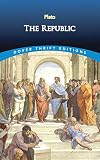
Not sure if this is the right fit?
Consider The Republic by Plato. Recommended by 13 sources.
“Plato stages an extended Socratic conversation that moves from concrete questions about justice into broad proposals about an ideal city, the structure of the soul, and what counts as reality and knowledge. Reading alternates brisk question-and-answer snippets with long, cumulative demonstrations that reward careful attention and annotation. Main value: a wealth of thought experiments for testing political and ethical intuitions. Main limitation: repetitive refutations, long policy sketches and dense metaphysical passages can feel abstruse and slow; patience and some philosophical background help.”
Similar books

How recommendation signals are reviewed
Each recommendation is collected from a public source — interviews, articles, or curated lists — and linked to its original URL. Books with many verifiable recommendations from respected people rank higher.