
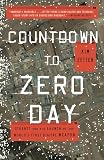
Countdown to Zero Day
Stuxnet and the Launch of the World's First Digital Weapon
by Kim Zetter
Reading Profile
Should I read this?
Kim Zetter reconstructs the discovery and aftermath of a targeted computer worm, threading narrative reporting with technical forensics to show how code produced physical sabotage. The book’s strongest asset is step-by-step investigative reporting that makes complex methods intelligible; it gives a clear sense of how digital intrusions become geopolitical tools. Limiting features: prolonged technical passages and many procedural detours slow the narrative, and readers looking for abstract moralizing or prescriptive policy prescriptions will find the book more descriptive than normative.
Read this if...
- •security-operations analyst at a utilities company preparing a briefing — because the book offers granular forensic trails you can use to explain realistic attack vectors to nontechnical leadership.
- •policy analyst inside a government office writing a memo on cyber rules-of-engagement — because it maps how a digital intrusion translated into tangible sabotage and highlights accountability and secrecy dilemmas.
- •tech or investigative journalist working on a long feature about cyberwarfare — because it reads like long-form reporting with sourced reconstructions and technical detail you can translate for general readers.
Skip this if...
- •You’ll likely put it down when the reporting turns into prolonged technical forensic chapters full of setup, code paths, and equipment detail — those sections flatten the pace.
- •Annoying if you prefer big-picture philosophy or neat policy prescriptions — the book stays descriptive and stops short of offering prescriptive solutions.
- •Lose patience if you wanted a fast-paced techno-thriller; the narrative repeatedly pauses for procedural detours and methodical explanation.
Top cybersecurity journalist Kim Zetter tells the story behind the virus that sabotaged Iran?s nuclear efforts and shows how its existence has ushered in a new age of warfare?one in which a digital attack can have the same destructive capability as a megaton bomb. In January 2010, inspectors with the International Atomic Energy Agency noticed that ...
Before You Buy
Reading Specifications
Difficulty:hard
Audience Fit
- security-operations analyst at a utilities company preparing a briefing — because the book offers granular forensic trails you can use to explain realistic attack vectors to nontechnical leadership.
- policy analyst inside a government office writing a memo on cyber rules-of-engagement — because it maps how a digital intrusion translated into tangible sabotage and highlights accountability and secrecy dilemmas.
- tech or investigative journalist working on a long feature about cyberwarfare — because it reads like long-form reporting with sourced reconstructions and technical detail you can translate for general readers.
- You’ll likely put it down when the reporting turns into prolonged technical forensic chapters full of setup, code paths, and equipment detail — those sections flatten the pace.
- Annoying if you prefer big-picture philosophy or neat policy prescriptions — the book stays descriptive and stops short of offering prescriptive solutions.
- Lose patience if you wanted a fast-paced techno-thriller; the narrative repeatedly pauses for procedural detours and methodical explanation.
Check formats, pricing, and availability options for Kindle, physical print, or audiobooks directly.
View available editions on AmazonKey themes
Why recommended
Recommended by 1 source and appears in Cyber Security, Cybersecurity, and Politics.
Recommended by notable people
People and public figures who have recommended this book.
Recommendation Signals
Recommendation proof is sourced from public posts, interviews, reading lists, and cited references.
Appears In
Not sure if this is the right fit?
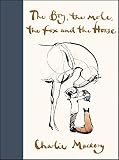
Consider The Boy, the Mole, the Fox and the Horse by Charlie Mackesy. Recommended by 8 sources.
“Soft-spoken, heavily illustrated fable built from short dialogues and watercolor sketches. Each spread pairs a spare line of text with a loose drawing, so the pleasure is visual and aphoristic rather than narrative; readers collect felt-true sentences more than plot. Most useful when you want quick consolations, a prompt for conversation with a child, or a pause during a rough day. Limiting if you want sustained argument, concrete advice, or tightly plotted storytelling: the repetition of gentleness can feel sentimental or thin after a while.”
Similar books
The Boy, the Mole, the Fox and the Horse
Charlie Mackesy
The World as It Is
Ben Rhodes
Out of Control
Kevin Kelly
The Bully Pulpit
Doris Kearns Goodwin
The Seven Spiritual Laws of Success
Deepak Chopra
Billions and Billions
Carl Sagan
Anger
Gary ChapmanFactfulness
Hans RoslingHow recommendation signals are reviewed
Each recommendation is collected from a public source — interviews, articles, or curated lists — and linked to its original URL. Books with many verifiable recommendations from respected people rank higher.