
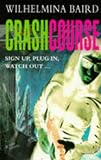
Crashcourse
by Wilhelmina Baird
Reading Profile
Should I read this?
Wilhelmina Baird's Crashcourse moves in short, punchy scenes that lean hard on bodily jeopardy and the economics of selling oneself into a cybercinema contract. Its useful part is raw immediacy: street-level atmosphere, tense set pieces, and a premise that forces moral friction around escape and obligation. Main limitation: interior life and emotional layering are sometimes spare, so scenes land as shocks more than slow-burn empathy. Best sampled for its mood and ethical provocations rather than sustained psychological subtlety.
Read this if...
- •narrative designer at a game studio tasked this quarter with drafting morally ambiguous in-game contracts and spectacle-driven missions: the cybercinema contract scenes offer concrete, cinematic beats and ethical tension you can adapt into quests and NPC arcs now.
- •graduate student in literature or cultural studies preparing a seminar this semester on labor and embodiment under late-capitalism: compact, scene-driven episodes make a short primary text you can assign and use for close reading and class debate next week.
- •busy commuter who needs a quick, momentum-driven read to finish in a few evenings: short chapters and punchy scenes let you keep the plot moving across rides and complete the novel without long sittings.
Skip this if...
- •Annoying if you prefer slow-burning psychological depth; you'll likely put it down when repeated bleak episodes pile up without sustained emotional payoff.
- •Not for readers who avoid explicit body-horror or unremitting depictions of exploitation—the material can feel abrasive and relentless.
- •Not for readers seeking nonfiction takeaways or practical exercises—no exercises, tips, or how‑to guidance here.
Baird's stunning debut is the cybershock novel of the year. Dosh has sold his good looks once too often to rough customers. He's so desperate to get off the planet and start a new life that he persuades friends Moke and Cass to sign a cybercinema contracta decision that proves to be as dangerous as it is lucrative....
Before You Buy
Reading Specifications
Difficulty:easy
Audience Fit
- narrative designer at a game studio tasked this quarter with drafting morally ambiguous in-game contracts and spectacle-driven missions: the cybercinema contract scenes offer concrete, cinematic beats and ethical tension you can adapt into quests and NPC arcs now.
- graduate student in literature or cultural studies preparing a seminar this semester on labor and embodiment under late-capitalism: compact, scene-driven episodes make a short primary text you can assign and use for close reading and class debate next week.
- busy commuter who needs a quick, momentum-driven read to finish in a few evenings: short chapters and punchy scenes let you keep the plot moving across rides and complete the novel without long sittings.
- Annoying if you prefer slow-burning psychological depth; you'll likely put it down when repeated bleak episodes pile up without sustained emotional payoff.
- Not for readers who avoid explicit body-horror or unremitting depictions of exploitation—the material can feel abrasive and relentless.
- Not for readers seeking nonfiction takeaways or practical exercises—no exercises, tips, or how‑to guidance here.
Check formats, pricing, and availability options for Kindle, physical print, or audiobooks directly.
View available editions on AmazonKey themes
Why recommended
appears in Cyberpunk, Science Fiction, and Science.
Recommendation Signals
Recommendation proof is sourced from public posts, interviews, reading lists, and cited references.
No verified recommendation proof available yet.
Appears In
Not sure if this is the right fit?
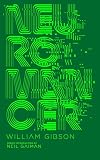
Consider Neuromancer by William Gibson. Recommended by 6 sources.
“Neuromancer opens at high speed: terse sentences, noir atmosphere, and worldbuilding dropped as image-heavy fragments rather than spelled-out explanation. Its useful part is concentrated atmosphere — layered sensory detail and economical action that make cyberspace feel immediate without long exposition. Its main limitation is deliberate opacity: invented slang, abrupt scene cuts, and characters who often remain coolly distant can leave the plot feeling elliptical and some emotional moments thin. Best read focused and willing to re-read passages for payoff.”
Similar books
How recommendation signals are reviewed
Each recommendation is collected from a public source — interviews, articles, or curated lists — and linked to its original URL. Books with many verifiable recommendations from respected people rank higher.