
Crossing the Chasm
Marketing and Selling HighTech Products to Mainstream Customers
by Geoffrey A. Moore


10 more
More Recommenders
“Bestselling guide that created a new game plan for marketing in hightech industries. | For B2B, I recommend “Crossing the Chasm.” For B2C, one of my favorite books is “The Lean Startup,” which takes a narrower view but it gives one specific tactic for innovating quickly. It’s a little narrow but it’s very good in the area that it covers. | Helps us understand that it is a myth ? an incorrect myth, a false myth ? to believe that we can start with an idea for a few people and ride it from early adopter to early majority to late majority to laggard. | Helps us understand that it is a myth — an incorrect myth, a false myth — to believe that we can start with an idea for a few people and ride it from early adopter to early majority to late majority to laggard. | I learned the hard way about chasms while working for Apple. The early adopters are easy??main street? is hard. Entrepreneurs should read this book when they are cranking out their ?conservative? sales projections. | I learned the hard way about chasms while working for Apple. The early adopters are easy–“main street” is hard. Entrepreneurs should read this book when they are cranking out their “conservative” sales projections. | Other books that all entrepreneurs should read: 1) @MichaelEPorter, Competitive Strategy, 2) @geoffreyamoore Crossing the Chasm, 3) @claychristensen Innovator's Dilemma, and 4) @Jerry_Kaplan Startup | Read these three books: Crossing the Chasm, the Innovators Dilemma, and Behind the Cloud. These three combined, if you binge and read them all, you will come out ahead. | Step 1: Start with a product vision Here's a format that works well. It's the elevator pitch template from @geoffreyamoore's fantastic book, Crossing the Chasm, and it asks the right sort of questions to get you started on your vision statement.”
Source →“Bestselling guide that created a new game plan for marketing in hightech industries. | For B2B, I recommend “Crossing the Chasm.” For B2C, one of my favorite books is “The Lean Startup,” which takes a narrower view but it gives one specific tactic for innovating quickly. It’s a little narrow but it’s very good in the area that it covers. | Helps us understand that it is a myth ? an incorrect myth, a false myth ? to believe that we can start with an idea for a few people and ride it from early adopter to early majority to late majority to laggard. | Helps us understand that it is a myth — an incorrect myth, a false myth — to believe that we can start with an idea for a few people and ride it from early adopter to early majority to late majority to laggard. | I learned the hard way about chasms while working for Apple. The early adopters are easy??main street? is hard. Entrepreneurs should read this book when they are cranking out their ?conservative? sales projections. | I learned the hard way about chasms while working for Apple. The early adopters are easy–“main street” is hard. Entrepreneurs should read this book when they are cranking out their “conservative” sales projections. | Other books that all entrepreneurs should read: 1) @MichaelEPorter, Competitive Strategy, 2) @geoffreyamoore Crossing the Chasm, 3) @claychristensen Innovator's Dilemma, and 4) @Jerry_Kaplan Startup | Read these three books: Crossing the Chasm, the Innovators Dilemma, and Behind the Cloud. These three combined, if you binge and read them all, you will come out ahead. | Step 1: Start with a product vision Here's a format that works well. It's the elevator pitch template from @geoffreyamoore's fantastic book, Crossing the Chasm, and it asks the right sort of questions to get you started on your vision statement.”
Source →“Bestselling guide that created a new game plan for marketing in hightech industries. | For B2B, I recommend “Crossing the Chasm.” For B2C, one of my favorite books is “The Lean Startup,” which takes a narrower view but it gives one specific tactic for innovating quickly. It’s a little narrow but it’s very good in the area that it covers. | Helps us understand that it is a myth ? an incorrect myth, a false myth ? to believe that we can start with an idea for a few people and ride it from early adopter to early majority to late majority to laggard. | Helps us understand that it is a myth — an incorrect myth, a false myth — to believe that we can start with an idea for a few people and ride it from early adopter to early majority to late majority to laggard. | I learned the hard way about chasms while working for Apple. The early adopters are easy??main street? is hard. Entrepreneurs should read this book when they are cranking out their ?conservative? sales projections. | I learned the hard way about chasms while working for Apple. The early adopters are easy–“main street” is hard. Entrepreneurs should read this book when they are cranking out their “conservative” sales projections. | Other books that all entrepreneurs should read: 1) @MichaelEPorter, Competitive Strategy, 2) @geoffreyamoore Crossing the Chasm, 3) @claychristensen Innovator's Dilemma, and 4) @Jerry_Kaplan Startup | Read these three books: Crossing the Chasm, the Innovators Dilemma, and Behind the Cloud. These three combined, if you binge and read them all, you will come out ahead. | Step 1: Start with a product vision Here's a format that works well. It's the elevator pitch template from @geoffreyamoore's fantastic book, Crossing the Chasm, and it asks the right sort of questions to get you started on your vision statement.”
Source →“Bestselling guide that created a new game plan for marketing in hightech industries. | For B2B, I recommend “Crossing the Chasm.” For B2C, one of my favorite books is “The Lean Startup,” which takes a narrower view but it gives one specific tactic for innovating quickly. It’s a little narrow but it’s very good in the area that it covers. | Helps us understand that it is a myth ? an incorrect myth, a false myth ? to believe that we can start with an idea for a few people and ride it from early adopter to early majority to late majority to laggard. | Helps us understand that it is a myth — an incorrect myth, a false myth — to believe that we can start with an idea for a few people and ride it from early adopter to early majority to late majority to laggard. | I learned the hard way about chasms while working for Apple. The early adopters are easy??main street? is hard. Entrepreneurs should read this book when they are cranking out their ?conservative? sales projections. | I learned the hard way about chasms while working for Apple. The early adopters are easy–“main street” is hard. Entrepreneurs should read this book when they are cranking out their “conservative” sales projections. | Other books that all entrepreneurs should read: 1) @MichaelEPorter, Competitive Strategy, 2) @geoffreyamoore Crossing the Chasm, 3) @claychristensen Innovator's Dilemma, and 4) @Jerry_Kaplan Startup | Read these three books: Crossing the Chasm, the Innovators Dilemma, and Behind the Cloud. These three combined, if you binge and read them all, you will come out ahead. | Step 1: Start with a product vision Here's a format that works well. It's the elevator pitch template from @geoffreyamoore's fantastic book, Crossing the Chasm, and it asks the right sort of questions to get you started on your vision statement.”
Source →“Bestselling guide that created a new game plan for marketing in hightech industries. | For B2B, I recommend “Crossing the Chasm.” For B2C, one of my favorite books is “The Lean Startup,” which takes a narrower view but it gives one specific tactic for innovating quickly. It’s a little narrow but it’s very good in the area that it covers. | Helps us understand that it is a myth ? an incorrect myth, a false myth ? to believe that we can start with an idea for a few people and ride it from early adopter to early majority to late majority to laggard. | Helps us understand that it is a myth — an incorrect myth, a false myth — to believe that we can start with an idea for a few people and ride it from early adopter to early majority to late majority to laggard. | I learned the hard way about chasms while working for Apple. The early adopters are easy??main street? is hard. Entrepreneurs should read this book when they are cranking out their ?conservative? sales projections. | I learned the hard way about chasms while working for Apple. The early adopters are easy–“main street” is hard. Entrepreneurs should read this book when they are cranking out their “conservative” sales projections. | Other books that all entrepreneurs should read: 1) @MichaelEPorter, Competitive Strategy, 2) @geoffreyamoore Crossing the Chasm, 3) @claychristensen Innovator's Dilemma, and 4) @Jerry_Kaplan Startup | Read these three books: Crossing the Chasm, the Innovators Dilemma, and Behind the Cloud. These three combined, if you binge and read them all, you will come out ahead. | Step 1: Start with a product vision Here's a format that works well. It's the elevator pitch template from @geoffreyamoore's fantastic book, Crossing the Chasm, and it asks the right sort of questions to get you started on your vision statement.”
Source →“Bestselling guide that created a new game plan for marketing in hightech industries. | For B2B, I recommend “Crossing the Chasm.” For B2C, one of my favorite books is “The Lean Startup,” which takes a narrower view but it gives one specific tactic for innovating quickly. It’s a little narrow but it’s very good in the area that it covers. | Helps us understand that it is a myth ? an incorrect myth, a false myth ? to believe that we can start with an idea for a few people and ride it from early adopter to early majority to late majority to laggard. | Helps us understand that it is a myth — an incorrect myth, a false myth — to believe that we can start with an idea for a few people and ride it from early adopter to early majority to late majority to laggard. | I learned the hard way about chasms while working for Apple. The early adopters are easy??main street? is hard. Entrepreneurs should read this book when they are cranking out their ?conservative? sales projections. | I learned the hard way about chasms while working for Apple. The early adopters are easy–“main street” is hard. Entrepreneurs should read this book when they are cranking out their “conservative” sales projections. | Other books that all entrepreneurs should read: 1) @MichaelEPorter, Competitive Strategy, 2) @geoffreyamoore Crossing the Chasm, 3) @claychristensen Innovator's Dilemma, and 4) @Jerry_Kaplan Startup | Read these three books: Crossing the Chasm, the Innovators Dilemma, and Behind the Cloud. These three combined, if you binge and read them all, you will come out ahead. | Step 1: Start with a product vision Here's a format that works well. It's the elevator pitch template from @geoffreyamoore's fantastic book, Crossing the Chasm, and it asks the right sort of questions to get you started on your vision statement.”
Source →“Bestselling guide that created a new game plan for marketing in hightech industries. | For B2B, I recommend “Crossing the Chasm.” For B2C, one of my favorite books is “The Lean Startup,” which takes a narrower view but it gives one specific tactic for innovating quickly. It’s a little narrow but it’s very good in the area that it covers. | Helps us understand that it is a myth ? an incorrect myth, a false myth ? to believe that we can start with an idea for a few people and ride it from early adopter to early majority to late majority to laggard. | Helps us understand that it is a myth — an incorrect myth, a false myth — to believe that we can start with an idea for a few people and ride it from early adopter to early majority to late majority to laggard. | I learned the hard way about chasms while working for Apple. The early adopters are easy??main street? is hard. Entrepreneurs should read this book when they are cranking out their ?conservative? sales projections. | I learned the hard way about chasms while working for Apple. The early adopters are easy–“main street” is hard. Entrepreneurs should read this book when they are cranking out their “conservative” sales projections. | Other books that all entrepreneurs should read: 1) @MichaelEPorter, Competitive Strategy, 2) @geoffreyamoore Crossing the Chasm, 3) @claychristensen Innovator's Dilemma, and 4) @Jerry_Kaplan Startup | Read these three books: Crossing the Chasm, the Innovators Dilemma, and Behind the Cloud. These three combined, if you binge and read them all, you will come out ahead. | Step 1: Start with a product vision Here's a format that works well. It's the elevator pitch template from @geoffreyamoore's fantastic book, Crossing the Chasm, and it asks the right sort of questions to get you started on your vision statement.”
Source →“Bestselling guide that created a new game plan for marketing in hightech industries. | For B2B, I recommend “Crossing the Chasm.” For B2C, one of my favorite books is “The Lean Startup,” which takes a narrower view but it gives one specific tactic for innovating quickly. It’s a little narrow but it’s very good in the area that it covers. | Helps us understand that it is a myth ? an incorrect myth, a false myth ? to believe that we can start with an idea for a few people and ride it from early adopter to early majority to late majority to laggard. | Helps us understand that it is a myth — an incorrect myth, a false myth — to believe that we can start with an idea for a few people and ride it from early adopter to early majority to late majority to laggard. | I learned the hard way about chasms while working for Apple. The early adopters are easy??main street? is hard. Entrepreneurs should read this book when they are cranking out their ?conservative? sales projections. | I learned the hard way about chasms while working for Apple. The early adopters are easy–“main street” is hard. Entrepreneurs should read this book when they are cranking out their “conservative” sales projections. | Other books that all entrepreneurs should read: 1) @MichaelEPorter, Competitive Strategy, 2) @geoffreyamoore Crossing the Chasm, 3) @claychristensen Innovator's Dilemma, and 4) @Jerry_Kaplan Startup | Read these three books: Crossing the Chasm, the Innovators Dilemma, and Behind the Cloud. These three combined, if you binge and read them all, you will come out ahead. | Step 1: Start with a product vision Here's a format that works well. It's the elevator pitch template from @geoffreyamoore's fantastic book, Crossing the Chasm, and it asks the right sort of questions to get you started on your vision statement.”
Source →“Bestselling guide that created a new game plan for marketing in hightech industries. | For B2B, I recommend “Crossing the Chasm.” For B2C, one of my favorite books is “The Lean Startup,” which takes a narrower view but it gives one specific tactic for innovating quickly. It’s a little narrow but it’s very good in the area that it covers. | Helps us understand that it is a myth ? an incorrect myth, a false myth ? to believe that we can start with an idea for a few people and ride it from early adopter to early majority to late majority to laggard. | Helps us understand that it is a myth — an incorrect myth, a false myth — to believe that we can start with an idea for a few people and ride it from early adopter to early majority to late majority to laggard. | I learned the hard way about chasms while working for Apple. The early adopters are easy??main street? is hard. Entrepreneurs should read this book when they are cranking out their ?conservative? sales projections. | I learned the hard way about chasms while working for Apple. The early adopters are easy–“main street” is hard. Entrepreneurs should read this book when they are cranking out their “conservative” sales projections. | Other books that all entrepreneurs should read: 1) @MichaelEPorter, Competitive Strategy, 2) @geoffreyamoore Crossing the Chasm, 3) @claychristensen Innovator's Dilemma, and 4) @Jerry_Kaplan Startup | Read these three books: Crossing the Chasm, the Innovators Dilemma, and Behind the Cloud. These three combined, if you binge and read them all, you will come out ahead. | Step 1: Start with a product vision Here's a format that works well. It's the elevator pitch template from @geoffreyamoore's fantastic book, Crossing the Chasm, and it asks the right sort of questions to get you started on your vision statement.”
Source →“Bestselling guide that created a new game plan for marketing in hightech industries. | For B2B, I recommend “Crossing the Chasm.” For B2C, one of my favorite books is “The Lean Startup,” which takes a narrower view but it gives one specific tactic for innovating quickly. It’s a little narrow but it’s very good in the area that it covers. | Helps us understand that it is a myth ? an incorrect myth, a false myth ? to believe that we can start with an idea for a few people and ride it from early adopter to early majority to late majority to laggard. | Helps us understand that it is a myth — an incorrect myth, a false myth — to believe that we can start with an idea for a few people and ride it from early adopter to early majority to late majority to laggard. | I learned the hard way about chasms while working for Apple. The early adopters are easy??main street? is hard. Entrepreneurs should read this book when they are cranking out their ?conservative? sales projections. | I learned the hard way about chasms while working for Apple. The early adopters are easy–“main street” is hard. Entrepreneurs should read this book when they are cranking out their “conservative” sales projections. | Other books that all entrepreneurs should read: 1) @MichaelEPorter, Competitive Strategy, 2) @geoffreyamoore Crossing the Chasm, 3) @claychristensen Innovator's Dilemma, and 4) @Jerry_Kaplan Startup | Read these three books: Crossing the Chasm, the Innovators Dilemma, and Behind the Cloud. These three combined, if you binge and read them all, you will come out ahead. | Step 1: Start with a product vision Here's a format that works well. It's the elevator pitch template from @geoffreyamoore's fantastic book, Crossing the Chasm, and it asks the right sort of questions to get you started on your vision statement.”
Source →Recommended by 12 notable people, including Ev Williams and Seth Godin
Check price on AmazonProof-backed recommendation
Amazon availability
Reading Profile
Should I read this?
A practical guide to marketing disruptive technology products, built around the idea that many innovations stall between early adopters and the mainstream. Moore offers a clear playbook for identifying a beachhead segment and dominating it before expanding. The advice is direct and actionable, but the case studies—mostly from enterprise hardware and software of the 1990s—can feel distant. Still, the underlying segmentation logic remains useful for anyone navigating the messy middle of tech adoption.
Read this if...
- •A first-time SaaS founder who just closed a seed round and sees sales stall after the initial beta user rush—the book’s beachhead segment logic gives you a concrete exercise to pick one niche, dominate it, and stop burning cash chasing every logo.
- •A product marketing lead at a mid-sized DevOps company pressured by sales to build one demo for 'everyone'—this book arms you with the exact market type definitions and buying process maps to force a focused, defensible wedge.
- •A VP of Sales at a cybersecurity startup losing deals to 'no decision'—the chasm diagnosis shows why showing up with a better product isn't enough; you need to reposition for the pragmatist buyer’s actual fears.
Skip this if...
- •You'll likely put it down when you realize the single chasm metaphor is stretched across the entire book, with each chapter restating the same gap between visionary and pragmatist—repetition replaces fresh insight.
- •Bounce if you need up-to-date guidance on SEO, content marketing, or social selling; this is a strategic lens from the pre-internet era, not a modern marketing playbook.
- •Skip if you're building consumer apps or operating in a field where viral loops and freemium models rule—the enterprise-centric logic feels mismatched.
Every year companies gamble away millions and countless hours of technical talent on doomed efforts to market technology products. Filled with practical insights, this text continues to define high-tech marketing and selling.
Before You Buy
Reading Specifications
Difficulty:medium
Length:239 pages (Short)
Audience Fit
- A first-time SaaS founder who just closed a seed round and sees sales stall after the initial beta user rush—the book’s beachhead segment logic gives you a concrete exercise to pick one niche, dominate it, and stop burning cash chasing every logo.
- A product marketing lead at a mid-sized DevOps company pressured by sales to build one demo for 'everyone'—this book arms you with the exact market type definitions and buying process maps to force a focused, defensible wedge.
- A VP of Sales at a cybersecurity startup losing deals to 'no decision'—the chasm diagnosis shows why showing up with a better product isn't enough; you need to reposition for the pragmatist buyer’s actual fears.
- You'll likely put it down when you realize the single chasm metaphor is stretched across the entire book, with each chapter restating the same gap between visionary and pragmatist—repetition replaces fresh insight.
- Bounce if you need up-to-date guidance on SEO, content marketing, or social selling; this is a strategic lens from the pre-internet era, not a modern marketing playbook.
- Skip if you're building consumer apps or operating in a field where viral loops and freemium models rule—the enterprise-centric logic feels mismatched.
Check formats, pricing, and availability options for Kindle, physical print, or audiobooks directly.
View available editions on AmazonKey themes
Why recommended
Recommended by 25 sources and appears in Product Management, Product Marketing, and Management.
Recommended by notable people
People and public figures who have recommended this book.
Recommendation Signals
Recommendation proof is sourced from public posts, interviews, reading lists, and cited references.
Aaron Levie
“Bestselling guide that created a new game plan for marketing in hightech industries. | For B2B, I recommend “Crossing the Chasm.” For B2C, one of my favorite books is “The Lean Startup,” which takes a narrower view but it gives one specific tactic for innovating quickly. It’s a little narrow but it’s very good in the area that it covers. | Helps us understand that it is a myth ? an incorrect myth, a false myth ? to believe that we can start with an idea for a few people and ride it from early adopter to early majority to late majority to laggard. | Helps us understand that it is a myth — an incorrect myth, a false myth — to believe that we can start with an idea for a few people and ride it from early adopter to early majority to late majority to laggard. | I learned the hard way about chasms while working for Apple. The early adopters are easy??main street? is hard. Entrepreneurs should read this book when they are cranking out their ?conservative? sales projections. | I learned the hard way about chasms while working for Apple. The early adopters are easy–“main street” is hard. Entrepreneurs should read this book when they are cranking out their “conservative” sales projections. | Other books that all entrepreneurs should read: 1) @MichaelEPorter, Competitive Strategy, 2) @geoffreyamoore Crossing the Chasm, 3) @claychristensen Innovator's Dilemma, and 4) @Jerry_Kaplan Startup | Read these three books: Crossing the Chasm, the Innovators Dilemma, and Behind the Cloud. These three combined, if you binge and read them all, you will come out ahead. | Step 1: Start with a product vision Here's a format that works well. It's the elevator pitch template from @geoffreyamoore's fantastic book, Crossing the Chasm, and it asks the right sort of questions to get you started on your vision statement.”
Appears In
Not sure if this is the right fit?
Consider The Hard Thing About Hard Things by Ben Horowitz. Recommended by 60 sources.
“A blunt, conversational tour through the worst parts of building a company. Horowitz shares personal stories from his own startup failures and recoveries, offering practical wisdom on layoffs, pivots, CEO loneliness, and managing when times are bad. The value is in the honest, experience-based insight you won't get from business school. The limitation is its narrow focus on venture-backed tech startups—if you're not in that world, some advice may feel irrelevant. Reads like a wise mentor telling you what nobody else will.”
Similar books
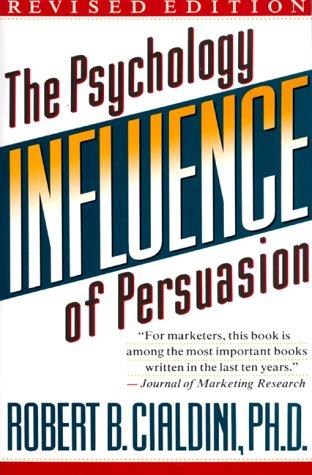
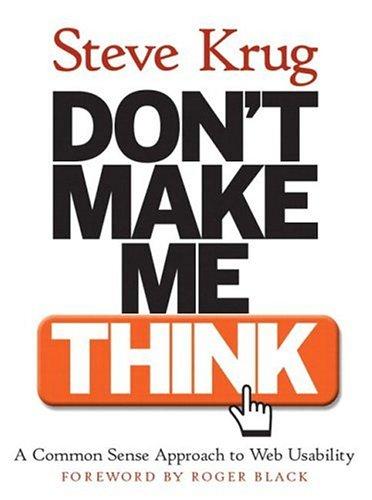
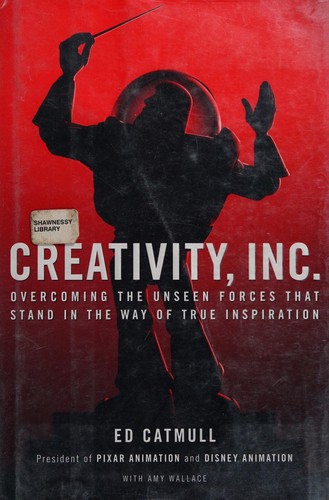
How recommendation signals are reviewed
Each recommendation is collected from a public source — interviews, articles, or curated lists — and linked to its original URL. Books with many verifiable recommendations from respected people rank higher.