
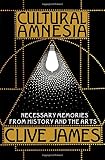
Cultural Amnesia
Necessary Memories from History and the Arts
by Clive James
Reading Profile
Should I read this?
Clive James offers short, highly personal entries on a wide range of thinkers and cultural topics, organized more like an eccentric reference than a straight history. The voice is witty, conversational, and often judgmental, which makes for memorable one- or two-page takes that stick. What works best is those sharp, quotable portraits that spark thought and argument. The main limitation is unevenness: some entries are illuminating, others lean on bravado and skim over nuance, so expect variation in payoff.
Read this if...
- •graduate student preparing discussion notes for a seminar on Western thought who needs vivid, quotable portraits to kick off conversations — entries give quick starting points without assigning long chapters.
- •college humanities instructor looking for short, provocative readings to hand out as prompts — single entries can provoke debate and illustrate argumentative style in a single class period.
- •enthusiastic essay-reader commuting or traveling who enjoys erudite detours and humor — bite-sized entries are easy to read in short stretches and entertain without long commitments.
Skip this if...
- •you'll likely put it down when the same sardonic tone repeats and stops offering fresh insight—midway through the book the voice can feel overfamiliar and wearying.
- •annoying if you prefer systematic chronology, balanced synthesis, or rigorous citation-heavy scholarship—the entries prize personality over exhaustive documentation.
- •no exercises or practical follow-ups; avoid if you wanted a workbook-style or hands-on guide rather than a series of interpretive essays.
"I can't remember when I've learned as much from something I've read or laughed as much while doing it." Jacob Weisberg, Slate This international bestseller is an encyclopedic AZ masterpiece the perfect introduction to the very core of Western humanism. Clive James rescues, or occasionally destroys, the careers of many of the greatest thinkers, h...
Before You Buy
Reading Specifications
Difficulty:hard
Audience Fit
- graduate student preparing discussion notes for a seminar on Western thought who needs vivid, quotable portraits to kick off conversations — entries give quick starting points without assigning long chapters.
- college humanities instructor looking for short, provocative readings to hand out as prompts — single entries can provoke debate and illustrate argumentative style in a single class period.
- enthusiastic essay-reader commuting or traveling who enjoys erudite detours and humor — bite-sized entries are easy to read in short stretches and entertain without long commitments.
- you'll likely put it down when the same sardonic tone repeats and stops offering fresh insight—midway through the book the voice can feel overfamiliar and wearying.
- annoying if you prefer systematic chronology, balanced synthesis, or rigorous citation-heavy scholarship—the entries prize personality over exhaustive documentation.
- no exercises or practical follow-ups; avoid if you wanted a workbook-style or hands-on guide rather than a series of interpretive essays.
Check formats, pricing, and availability options for Kindle, physical print, or audiobooks directly.
View available editions on AmazonKey themes
Why recommended
Recommended by 2 sources and appears in Most Recommended Books, Philosophy, and History.
Recommended by notable people
People and public figures who have recommended this book.
Recommendation Signals
Recommendation proof is sourced from public posts, interviews, reading lists, and cited references.
Frank Blake
“Such a great observer of different writers, and it makes you want to read all of the source material that he’s writing about.”
Appears In
Not sure if this is the right fit?
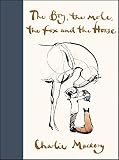
Consider The Boy, the Mole, the Fox and the Horse by Charlie Mackesy. Recommended by 8 sources.
“Soft-spoken, heavily illustrated fable built from short dialogues and watercolor sketches. Each spread pairs a spare line of text with a loose drawing, so the pleasure is visual and aphoristic rather than narrative; readers collect felt-true sentences more than plot. Most useful when you want quick consolations, a prompt for conversation with a child, or a pause during a rough day. Limiting if you want sustained argument, concrete advice, or tightly plotted storytelling: the repetition of gentleness can feel sentimental or thin after a while.”
Similar books
The Boy, the Mole, the Fox and the Horse
Charlie Mackesy
The World as It Is
Ben Rhodes
Out of Control
Kevin Kelly
The Bully Pulpit
Doris Kearns Goodwin
The Seven Spiritual Laws of Success
Deepak Chopra
Billions and Billions
Carl Sagan
Anger
Gary ChapmanFactfulness
Hans RoslingHow recommendation signals are reviewed
Each recommendation is collected from a public source — interviews, articles, or curated lists — and linked to its original URL. Books with many verifiable recommendations from respected people rank higher.