
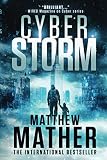
CyberStorm
by Matthew Mather
Reading Profile
Should I read this?
Propulsive and grounded, CyberStorm follows an ordinary New Yorker thrown into cascading technological and infrastructure failures. Value comes from vivid outage set pieces, communication blackouts, and hands-on survival logistics that keep scenes tactile and urgent. Frustrations include extended technical explanations and repeating supply/camp scenes that slow momentum, plus occasional plausibility-stretching plot choices. If you want a thoughtful systems analysis you'll be disappointed; if you want an action-aligned domestic thriller that reads fast, it mostly delivers.
Read this if...
- •systems administrator at a mid-size company who must run an incident-response tabletop this quarter — the novel strings together believable failure chains and outage scenarios you can riff on in meetings right away.
- •parent responsible for household emergency planning after recent local blackouts who needs a readable, concrete prompt to prioritize supplies and routines — the book's short survival scenes and family-focused stakes make it easy to absorb in evenings and translate into immediate checklists.
- •product manager or technical lead trying to convince leadership to invest in resilience who needs a short, bingeable narrative to illustrate cascade risk — the fast setup and vivid outage episodes can be read in one or two sittings and used to spark urgent conversations.
Skip this if...
- •you'll likely put it down when the narrative lingers on long technical breakdowns and supply-logistics scenes; those middle sections can feel repetitive and grind pacing.
- •annoying if you prefer subtle psychological depth or slow-building literary character study rather than action-driven, plot-first storytelling.
- •lose interest if you demand strict realism — the book sometimes bends plausibility for dramatic effect, which frustrates readers who want airtight explanations.
Sometimes the worst storms aren't caused by Mother Nature, and sometimes the worst nightmares aren't in the ones in our heads...Mike Mitchell, an average New Yorker already struggling to keep his family together, suddenly finds himself fighting just to keep them alive when an increasingly bizarre string of disasters start appearing on the world_x0092_s n...
Before You Buy
Reading Specifications
Difficulty:hard
Audience Fit
- systems administrator at a mid-size company who must run an incident-response tabletop this quarter — the novel strings together believable failure chains and outage scenarios you can riff on in meetings right away.
- parent responsible for household emergency planning after recent local blackouts who needs a readable, concrete prompt to prioritize supplies and routines — the book's short survival scenes and family-focused stakes make it easy to absorb in evenings and translate into immediate checklists.
- product manager or technical lead trying to convince leadership to invest in resilience who needs a short, bingeable narrative to illustrate cascade risk — the fast setup and vivid outage episodes can be read in one or two sittings and used to spark urgent conversations.
- you'll likely put it down when the narrative lingers on long technical breakdowns and supply-logistics scenes; those middle sections can feel repetitive and grind pacing.
- annoying if you prefer subtle psychological depth or slow-building literary character study rather than action-driven, plot-first storytelling.
- lose interest if you demand strict realism — the book sometimes bends plausibility for dramatic effect, which frustrates readers who want airtight explanations.
Check formats, pricing, and availability options for Kindle, physical print, or audiobooks directly.
View available editions on AmazonKey themes
Why recommended
appears in Apocalyptic, Thriller & Suspense, and Science Fiction.
Recommendation Signals
Recommendation proof is sourced from public posts, interviews, reading lists, and cited references.
No verified recommendation proof available yet.
Appears In
Not sure if this is the right fit?
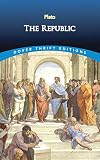
Consider The Republic by Plato. Recommended by 13 sources.
“Plato stages an extended Socratic conversation that moves from concrete questions about justice into broad proposals about an ideal city, the structure of the soul, and what counts as reality and knowledge. Reading alternates brisk question-and-answer snippets with long, cumulative demonstrations that reward careful attention and annotation. Main value: a wealth of thought experiments for testing political and ethical intuitions. Main limitation: repetitive refutations, long policy sketches and dense metaphysical passages can feel abstruse and slow; patience and some philosophical background help.”
Similar books
How recommendation signals are reviewed
Each recommendation is collected from a public source — interviews, articles, or curated lists — and linked to its original URL. Books with many verifiable recommendations from respected people rank higher.