
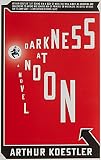
Darkness at Noon
A Novel
by Arthur Koestler
Recommended by Christopher Hitchens
Check price on AmazonProof-backed recommendation
Amazon availability
Reading Profile
Should I read this?
Starts as a tightly plotted arrest-and-trial story, then moves into extended interior debate as the imprisoned revolutionary wrestles with guilt, loyalty and the logic of revolutionary justice. Main value: forces readers to face how rigid ideology can rationalize cruelty and erode personal conscience. Main limitation: long philosophical monologues and repeated rationales slow the narrative and can read as didactic; the novel favors argument over subtle characterization. Best taken slowly, with breaks to reflect.
Read this if...
- •a graduate student writing about totalitarian show trials who needs a compact fictional case that dramatizes the internal logic of purges and confessions
- •a literature instructor preparing a seminar on mid‑20th‑century political fiction looking for a short, debate-ready text that pairs well with primary-source readings
- •a policy analyst or politically engaged reader rethinking how movements police dissent and wanting a narrative that dramatizes the moral cost of ideological unity
Skip this if...
- •you'll likely put it down when long interior monologues replace courtroom momentum and the book becomes a string of philosophical justifications rather than action
- •annoying if you prefer sympathetic, multifaceted characters—protagonist interiority often reads as rhetorical device more than emotional realism
- •frustrating if you want practical takeaways or modern pacing—the prose is argumentative, sometimes repetitive, and resists quick summaries
Darkness at Noon (from the German: Sonnenfinsternis) is a novel by the Hungarianborn British novelist Arthur Koestler, first published in 1940. His bestknown work tells the tale of Rubashov, a Bolshevik 1917 revolutionary who is cast out, imprisoned and tried for treason by the Soviet government he'd helped create.Darkness at Noon stands as an un...
Before You Buy
Reading Specifications
Difficulty:hard
Audience Fit
- a graduate student writing about totalitarian show trials who needs a compact fictional case that dramatizes the internal logic of purges and confessions
- a literature instructor preparing a seminar on mid‑20th‑century political fiction looking for a short, debate-ready text that pairs well with primary-source readings
- a policy analyst or politically engaged reader rethinking how movements police dissent and wanting a narrative that dramatizes the moral cost of ideological unity
- you'll likely put it down when long interior monologues replace courtroom momentum and the book becomes a string of philosophical justifications rather than action
- annoying if you prefer sympathetic, multifaceted characters—protagonist interiority often reads as rhetorical device more than emotional realism
- frustrating if you want practical takeaways or modern pacing—the prose is argumentative, sometimes repetitive, and resists quick summaries
Check formats, pricing, and availability options for Kindle, physical print, or audiobooks directly.
View available editions on AmazonKey themes
Why recommended
Recommended by 2 sources and appears in Socialism, Most Recommended Books, and Politics.
Recommended by notable people
People and public figures who have recommended this book.
Recommendation Signals
Recommendation proof is sourced from public posts, interviews, reading lists, and cited references.
Appears In
Not sure if this is the right fit?
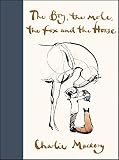
Consider The Boy, the Mole, the Fox and the Horse by Charlie Mackesy. Recommended by 8 sources.
“Soft-spoken, heavily illustrated fable built from short dialogues and watercolor sketches. Each spread pairs a spare line of text with a loose drawing, so the pleasure is visual and aphoristic rather than narrative; readers collect felt-true sentences more than plot. Most useful when you want quick consolations, a prompt for conversation with a child, or a pause during a rough day. Limiting if you want sustained argument, concrete advice, or tightly plotted storytelling: the repetition of gentleness can feel sentimental or thin after a while.”
Similar books
The Boy, the Mole, the Fox and the Horse
Charlie Mackesy
The World as It Is
Ben Rhodes
Out of Control
Kevin Kelly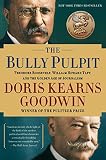
The Bully Pulpit
Doris Kearns Goodwin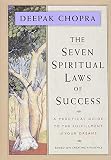
The Seven Spiritual Laws of Success
Deepak Chopra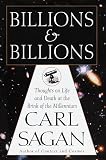
Billions and Billions
Carl Sagan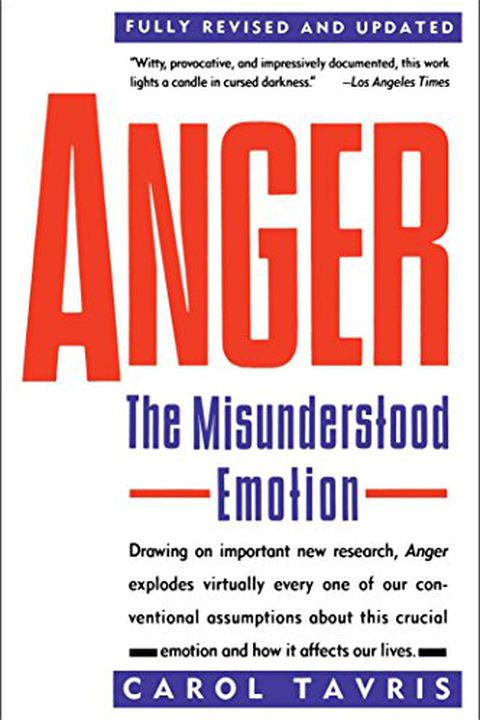
Anger
Gary ChapmanFactfulness
Hans RoslingHow recommendation signals are reviewed
Each recommendation is collected from a public source — interviews, articles, or curated lists — and linked to its original URL. Books with many verifiable recommendations from respected people rank higher.