
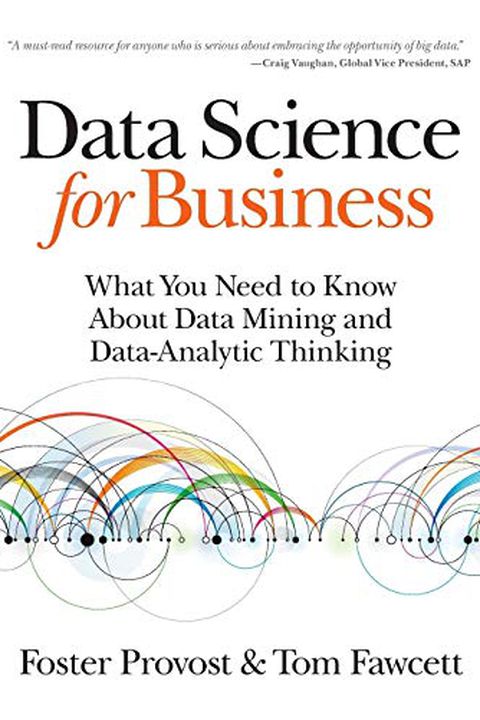
Data Science for Business
What You Need to Know about Data Mining and DataAnalytic Thinking
by Foster Provost
Reading Profile
Should I read this?
Data Science for Business reads like a careful, concept-first introduction to using data in managerial decisions. It lays out the probabilistic thinking behind common algorithms and ties analytic choices to business questions, with worked examples and case fragments. The most useful part is the emphasis on when an analytic approach produces business value versus when it only moves metrics. Limitation: it rarely serves as a code-first how-to, and some chapters linger on formal descriptions that slow the pace.
Read this if...
- •product manager at a growth-stage startup deciding whether to fund an ML feature, because it helps translate model improvements into business trade-offs you can argue to leadership
- •data analyst stepping into a strategy role who needs language to explain model limits and uncertainty to nontechnical stakeholders
- •strategy consultant advising clients on analytics investments and needing conceptual pointers that link data projects to measurable business outcomes
Skip this if...
- •you prefer hands-on, code-first tutorials — you'll likely put it down when chapters describe algorithms conceptually instead of showing implementation
- •you want a light, quickly actionable read — annoying if you prefer short checklists and one-page playbooks instead of in-depth explanations
- •you dislike formal exposition — lose interest when the text shifts into detailed probabilistic or algorithmic descriptions that slow the narrative
Written by renowned data science experts Foster Provost and Tom Fawcett, Data Science for Business introduces the fundamental principles of data science, and walks you through the "dataanalytic thinking" necessary for extracting useful knowledge and business value from the data you collect. This guide also helps you understand the many datamining...
Before You Buy
Reading Specifications
Difficulty:hard
Audience Fit
- product manager at a growth-stage startup deciding whether to fund an ML feature, because it helps translate model improvements into business trade-offs you can argue to leadership
- data analyst stepping into a strategy role who needs language to explain model limits and uncertainty to nontechnical stakeholders
- strategy consultant advising clients on analytics investments and needing conceptual pointers that link data projects to measurable business outcomes
- you prefer hands-on, code-first tutorials — you'll likely put it down when chapters describe algorithms conceptually instead of showing implementation
- you want a light, quickly actionable read — annoying if you prefer short checklists and one-page playbooks instead of in-depth explanations
- you dislike formal exposition — lose interest when the text shifts into detailed probabilistic or algorithmic descriptions that slow the narrative
Check formats, pricing, and availability options for Kindle, physical print, or audiobooks directly.
View available editions on AmazonKey themes
Why recommended
Recommended by 1 source and appears in Analytics, Big Data, and Data Mining.
Recommended by notable people
People and public figures who have recommended this book.
Recommendation Signals
Recommendation proof is sourced from public posts, interviews, reading lists, and cited references.
Kirk Borne
“Great book for Business Analytics and for building #AnalyticThinking >> “#DataScience for Business — What You Need to Know about #DataMining and DataAnalytic Thinking”: #BigData #MachineLearning #DataStrategy #AnalyticsStrategy #Algorithms”
Appears In
Not sure if this is the right fit?
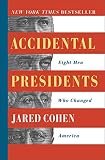
Consider Accidental Presidents by Jared Cohen. Recommended by 10 sources.
“Accidental Presidents offers eight narrative portraits of men who succeeded to the U.S. presidency without election, using anecdote-rich scenes and readable context to show how personality and circumstance interact with office power. It’s strongest as a set of self-contained stories that make succession stakes concrete for non-specialist readers; it does not prioritize dense archival argument or exhaustive methodology, so expect some interpretive generalizations and repeated themes across cases. Use it for fast historical orientation rather than scholarly deep-dives.”
Similar books


How recommendation signals are reviewed
Each recommendation is collected from a public source — interviews, articles, or curated lists — and linked to its original URL. Books with many verifiable recommendations from respected people rank higher.