
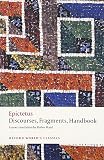
Discourses, Fragments, Handbook
by Epictetus
Reading Profile
Should I read this?
Reading Discourses, Fragments, Handbook by Epictetus feels like sitting with a strict tutor: short, pointed lessons that push you to sort what you can control from what you cannot. Its most useful element is a steady, repeatable set of maxims that can reframe anxious reactions and clarify responsibility. Limiting traits are a terse, often austere tone and frequent repetition; modern examples or gentle encouragement are largely absent, so the voice can feel brisk or chiding to some readers.
Read this if...
- •A project manager handling shifting deadlines and team tensions — when you need compact reminders to stop taking on other people's outcomes and to reframe what truly belongs on your plate.
- •A graduate student preparing for high-stakes exams or defenses — when concise, repeatable rules help limit worry about results and sharpen attention on controllable effort.
- •A family caregiver facing unpredictable demands and guilt — when short ethical touchstones could help separate obligations you must meet from burdens you can’t fix.
Skip this if...
- •You'll likely put it down when the same injunctions recur in different wording; if you want narrative momentum or varied case studies, repetition becomes tedious.
- •Annoying if you prefer emotional validation or soft encouragement — the voice can come across as blunt, austere, or chastising.
- •Not for readers seeking step-by-step applied protocols or contemporary case studies; the text offers prescriptive aphorisms more than modern analysis or how-to sequences.
About things that are within our power and those that are not.' Epictetus' Discourses have been the most widely read and influential of all writings of Stoic philosophy, from antiquity onwards. They set out the core ethical principles of Stoicism in a form designed to help people put them into practice and to use them as a basis for leading a good...
Before You Buy
Reading Specifications
Difficulty:hard
Audience Fit
- A project manager handling shifting deadlines and team tensions — when you need compact reminders to stop taking on other people's outcomes and to reframe what truly belongs on your plate.
- A graduate student preparing for high-stakes exams or defenses — when concise, repeatable rules help limit worry about results and sharpen attention on controllable effort.
- A family caregiver facing unpredictable demands and guilt — when short ethical touchstones could help separate obligations you must meet from burdens you can’t fix.
- You'll likely put it down when the same injunctions recur in different wording; if you want narrative momentum or varied case studies, repetition becomes tedious.
- Annoying if you prefer emotional validation or soft encouragement — the voice can come across as blunt, austere, or chastising.
- Not for readers seeking step-by-step applied protocols or contemporary case studies; the text offers prescriptive aphorisms more than modern analysis or how-to sequences.
Check formats, pricing, and availability options for Kindle, physical print, or audiobooks directly.
View available editions on AmazonKey themes
Why recommended
appears in Stoicism, Philosophy, and Philosophy.
Recommendation Signals
Recommendation proof is sourced from public posts, interviews, reading lists, and cited references.
No verified recommendation proof available yet.
Appears In
Not sure if this is the right fit?
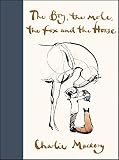
Consider The Boy, the Mole, the Fox and the Horse by Charlie Mackesy. Recommended by 8 sources.
“Soft-spoken, heavily illustrated fable built from short dialogues and watercolor sketches. Each spread pairs a spare line of text with a loose drawing, so the pleasure is visual and aphoristic rather than narrative; readers collect felt-true sentences more than plot. Most useful when you want quick consolations, a prompt for conversation with a child, or a pause during a rough day. Limiting if you want sustained argument, concrete advice, or tightly plotted storytelling: the repetition of gentleness can feel sentimental or thin after a while.”
Similar books
The Boy, the Mole, the Fox and the Horse
Charlie Mackesy
The World as It Is
Ben Rhodes
Out of Control
Kevin Kelly
The Bully Pulpit
Doris Kearns Goodwin
The Seven Spiritual Laws of Success
Deepak Chopra
Billions and Billions
Carl Sagan
Anger
Gary ChapmanFactfulness
Hans RoslingHow recommendation signals are reviewed
Each recommendation is collected from a public source — interviews, articles, or curated lists — and linked to its original URL. Books with many verifiable recommendations from respected people rank higher.