
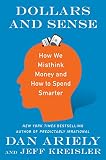
Dollars and Sense
How We Misthink Money and How to Spend Smarter
by Dan Ariely
Recommended by Cleo Abram and Akshay M
Check price on AmazonProof-backed recommendation
Amazon availability
Reading Profile
Should I read this?
Dan Ariely's Dollars and Sense is a conversational tour of everyday money oddities that mixes short experiments, personal anecdotes, and clear labels to make familiar spending traps easier to name. The most useful element is its inventory of memorable scenarios—anchoring, the pain of paying, and price relativity—that help you spot predictable biases in your own choices. The downside is repetitive structure: many chapters follow the same experiment-anecdote-debrief rhythm and rarely offer step‑by‑step fixes. If you want practical checklists or dense technical detail, this leans toward storytelling.
Read this if...
- •a product manager at a fintech startup trying to explain to colleagues why users ignore small fees — provides memorable examples and simple labels to make irrational payment behavior tangible in stakeholder conversations
- •a household budgeter trimming recurring charges and impulse buys — helps identify psychological triggers like anchoring and subscription inertia that inflate monthly costs
- •an undergraduate or MBA student in an introductory behavioral-economics class looking for readable case examples to pair with denser academic texts
Skip this if...
- •you'll likely put it down when the chapters reuse the same experiment-plus-anecdote pattern and novelty runs out
- •annoying if you prefer dense statistical evidence or formal modeling — the narrative favors storytelling over methodological detail
- •not for readers wanting a prescriptive, step-by-step money plan — practical tips are suggestive rather than procedural and the book lacks hands-on exercises
Why is paying for things painfulWhy are we comfortable overpaying for something in the present just because we’ve overpaid for it in the pastWhy is it easy to pay $4 for a soda on vacation, when we wouldn’t spend more than $1 on that same soda at our local grocery storeWe think of money as numbers, values, and amounts, but when it comes down to ...
Before You Buy
Reading Specifications
Difficulty:easy
Audience Fit
- a product manager at a fintech startup trying to explain to colleagues why users ignore small fees — provides memorable examples and simple labels to make irrational payment behavior tangible in stakeholder conversations
- a household budgeter trimming recurring charges and impulse buys — helps identify psychological triggers like anchoring and subscription inertia that inflate monthly costs
- an undergraduate or MBA student in an introductory behavioral-economics class looking for readable case examples to pair with denser academic texts
- you'll likely put it down when the chapters reuse the same experiment-plus-anecdote pattern and novelty runs out
- annoying if you prefer dense statistical evidence or formal modeling — the narrative favors storytelling over methodological detail
- not for readers wanting a prescriptive, step-by-step money plan — practical tips are suggestive rather than procedural and the book lacks hands-on exercises
Check formats, pricing, and availability options for Kindle, physical print, or audiobooks directly.
View available editions on AmazonKey themes
Why recommended
Recommended by 2 sources and appears in Finance, Psychology, and Business.
Recommended by notable people
People and public figures who have recommended this book.
Recommendation Signals
Recommendation proof is sourced from public posts, interviews, reading lists, and cited references.
Cleo Abram
“A list of my favourite personal finance books. The earlier one reads such books, the more useful they can be. 1. Rich Dad Poor Dad 2. The Millionaire Next Door 3. The Richest Man in Babylon 4. Your Money or Your Life 5. Dollars and Sense”
Appears In
Not sure if this is the right fit?
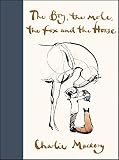
Consider The Boy, the Mole, the Fox and the Horse by Charlie Mackesy. Recommended by 8 sources.
“Soft-spoken, heavily illustrated fable built from short dialogues and watercolor sketches. Each spread pairs a spare line of text with a loose drawing, so the pleasure is visual and aphoristic rather than narrative; readers collect felt-true sentences more than plot. Most useful when you want quick consolations, a prompt for conversation with a child, or a pause during a rough day. Limiting if you want sustained argument, concrete advice, or tightly plotted storytelling: the repetition of gentleness can feel sentimental or thin after a while.”
Similar books
The Boy, the Mole, the Fox and the Horse
Charlie Mackesy
The World as It Is
Ben Rhodes
Out of Control
Kevin Kelly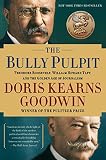
The Bully Pulpit
Doris Kearns Goodwin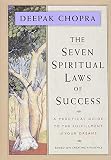
The Seven Spiritual Laws of Success
Deepak Chopra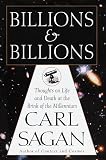
Billions and Billions
Carl Sagan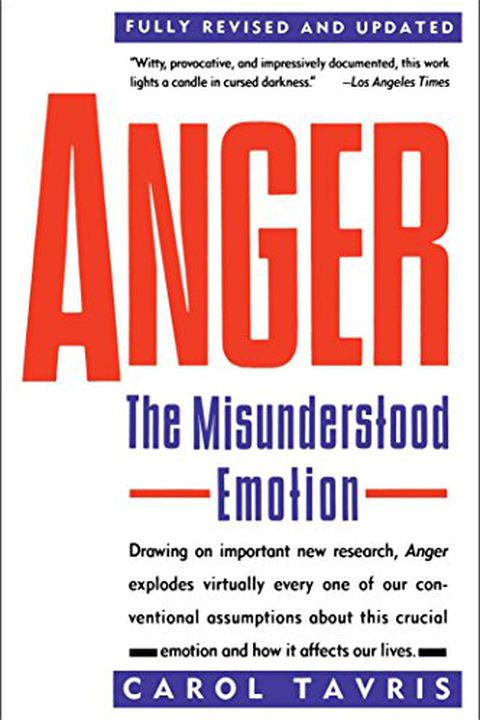
Anger
Gary ChapmanFactfulness
Hans RoslingHow recommendation signals are reviewed
Each recommendation is collected from a public source — interviews, articles, or curated lists — and linked to its original URL. Books with many verifiable recommendations from respected people rank higher.