
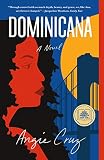
Dominicana
by Angie Cruz
Reading Profile
Should I read this?
Angie Cruz's Dominicana is a voice-driven, scene-by-scene coming-of-age about fifteen-year-old Ana Cancion, her arranged marriage, and sudden move from the Dominican countryside to 1960s New York. What works best is an intimate, sensory portrait of culture shock and family obligation—domestic detail and memory give the narrator strong presence. Its main limitation is an episodic, understated pace that favors mood over plot, so repetition and loose transitions can frustrate readers seeking momentum or tidy resolutions. Best read slowly; rewards come from quiet accumulation rather than dramatic turns.
Read this if...
- •an undergraduate writing a paper on mid-20th-century immigrant narratives who needs a compact, first-person portrayal of Dominican migration and identity to analyze in class
- •a book-club organizer picking a short novel about gender and migration for discussion, because the book supplies vivid scenes and clear ethical choices to debate
- •a creative-writing student studying sustained first-person voice who wants an example of sensory, domestic detail and memory-driven storytelling to emulate
Skip this if...
- •you'll likely put it down when the narrative settles into long domestic sketches without clear forward momentum—midbook scenes can feel repetitive if you want rising action
- •annoying if you prefer plot-driven, fast-paced novels or twisty plots rather than intimate interior life and gradual emotional shifts
- •annoying if you want explicit historical or political background—the 1960s political turmoil is present but often stays in atmosphere rather than detailed explanation
From IMPAC Dublin Award finalist Angie Cruz, an urgent, beautifully told novel about a Dominican teenager_x0092_s arranged marriage and immigration to New York City, set against the political turmoil of the 1960s.Fifteenyearold Ana Cancion never dreamed of moving to America, the way the girls she grew up with in the Dominican countryside did. But when ...
Before You Buy
Reading Specifications
Difficulty:hard
Audience Fit
- an undergraduate writing a paper on mid-20th-century immigrant narratives who needs a compact, first-person portrayal of Dominican migration and identity to analyze in class
- a book-club organizer picking a short novel about gender and migration for discussion, because the book supplies vivid scenes and clear ethical choices to debate
- a creative-writing student studying sustained first-person voice who wants an example of sensory, domestic detail and memory-driven storytelling to emulate
- you'll likely put it down when the narrative settles into long domestic sketches without clear forward momentum—midbook scenes can feel repetitive if you want rising action
- annoying if you prefer plot-driven, fast-paced novels or twisty plots rather than intimate interior life and gradual emotional shifts
- annoying if you want explicit historical or political background—the 1960s political turmoil is present but often stays in atmosphere rather than detailed explanation
Check formats, pricing, and availability options for Kindle, physical print, or audiobooks directly.
View available editions on AmazonKey themes
Why recommended
appears in Coming of Age and Fiction.
Recommendation Signals
Recommendation proof is sourced from public posts, interviews, reading lists, and cited references.
No verified recommendation proof available yet.
Appears In
Not sure if this is the right fit?
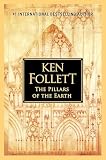
Consider The Pillars of the Earth by Ken Follett. Recommended by 5 sources.
“This sprawling, detail-rich historical novel follows cathedral builders, nobles, and townspeople across decades, delivering immersive scene-setting and a steady accumulation of plotlines. Its useful part is the sustained attention to craft—architecture, politics, rivalry—that makes the medieval world tangible. The main limitation is repetitive melodrama and swings in pacing: long, satisfying set pieces sit beside stretches that feel slow or contrived. Better read slowly rather than skimmed; readers who stick it out will find payoff in the concluding convergences.”
Similar books
How recommendation signals are reviewed
Each recommendation is collected from a public source — interviews, articles, or curated lists — and linked to its original URL. Books with many verifiable recommendations from respected people rank higher.