
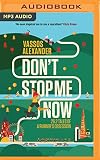
Don't Stop Me Now
by Vassos Alexander
Reading Profile
Should I read this?
Don't Stop Me Now reads like a chatty run with a clubmate: Vassos Alexander strings self-deprecating anecdotes about first tries, races and ultramarathons into an upbeat narrative. The useful part is morale and the way ordinary missteps and odd moments make distance events feel attainable and oddly entertaining. The annoying part: recurring jokes and similar race set-pieces pile up, and there's almost no technical guidance for would-be trainees. Expect warmth and wit more than instruction.
Read this if...
- •a beginner runner training for a first 10K who feels intimidated by running culture — the book’s self-deprecating anecdotes normalize early failures and keep morale up right when confidence matters most
- •a mid-level manager squeezing runs into a busy week who wants light, audio-friendly company on commutes or lunch jogs — the conversational chapters fit 15–40 minute chunks and prioritise entertainment over workout detail
- •a community-running volunteer preparing newcomers for their first event who needs shareable, funny stories to lower pressure and spark enthusiasm — the memoir supplies relatable vignettes to use as pep-talk material, even though it lacks training plans
Skip this if...
- •you'll likely put it down when the same jokey self-deprecation and race anecdotes recur; readers wanting steadily new technical insight tend to lose patience
- •annoying if you prefer step-by-step training plans — the book lacks structured workouts, schedules, or coaching detail
- •annoying if you dislike anecdote-heavy, chatty memoirs or expect rigorous analysis; the tone can meander and feel repetitive
Funny, inspiring, honest?the perfect listen for anyone with wellworn trainers by the door (or who's thinking of buying a pair...).Vassos Alexander shares the highs and lows of falling in love with running, from his first paltry efforts to reach the end of his street to completing ultramarathons and triathlons in the same weekend. This is a celebr...
Before You Buy
Reading Specifications
Difficulty:hard
Audience Fit
- a beginner runner training for a first 10K who feels intimidated by running culture — the book’s self-deprecating anecdotes normalize early failures and keep morale up right when confidence matters most
- a mid-level manager squeezing runs into a busy week who wants light, audio-friendly company on commutes or lunch jogs — the conversational chapters fit 15–40 minute chunks and prioritise entertainment over workout detail
- a community-running volunteer preparing newcomers for their first event who needs shareable, funny stories to lower pressure and spark enthusiasm — the memoir supplies relatable vignettes to use as pep-talk material, even though it lacks training plans
- you'll likely put it down when the same jokey self-deprecation and race anecdotes recur; readers wanting steadily new technical insight tend to lose patience
- annoying if you prefer step-by-step training plans — the book lacks structured workouts, schedules, or coaching detail
- annoying if you dislike anecdote-heavy, chatty memoirs or expect rigorous analysis; the tone can meander and feel repetitive
Check formats, pricing, and availability options for Kindle, physical print, or audiobooks directly.
View available editions on AmazonKey themes
Why recommended
appears in Running and Nonfiction.
Recommendation Signals
Recommendation proof is sourced from public posts, interviews, reading lists, and cited references.
No verified recommendation proof available yet.
Appears In
Not sure if this is the right fit?
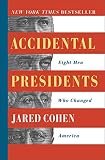
Consider Accidental Presidents by Jared Cohen. Recommended by 10 sources.
“Accidental Presidents offers eight narrative portraits of men who succeeded to the U.S. presidency without election, using anecdote-rich scenes and readable context to show how personality and circumstance interact with office power. It’s strongest as a set of self-contained stories that make succession stakes concrete for non-specialist readers; it does not prioritize dense archival argument or exhaustive methodology, so expect some interpretive generalizations and repeated themes across cases. Use it for fast historical orientation rather than scholarly deep-dives.”
Similar books

How recommendation signals are reviewed
Each recommendation is collected from a public source — interviews, articles, or curated lists — and linked to its original URL. Books with many verifiable recommendations from respected people rank higher.