
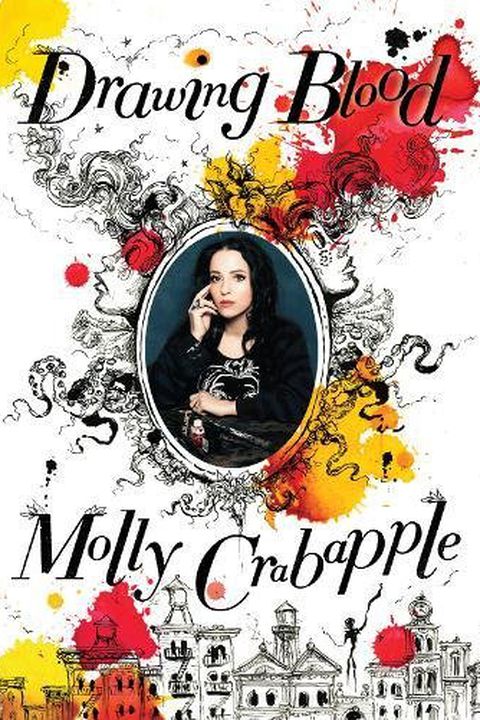
Drawing Blood
by Molly Crabapple
Reading Profile
Should I read this?
Reading feels like being handed a sketchbook full of urgent dispatches: spare, visual passages that move between street-level reportage, nightclub diaries, and confessional scenes of collapse and creation. What works best is the immediacy — vivid sensory detail, sketches that punctuate the prose, and an artist’s insider view of New York and protest-era moments. The main limitation is uneven pacing and recurring self-focus: chapters can loop back on the same anxieties and memories, which dilutes momentum for readers who want clearer narrative shape or analytical distance.
Read this if...
- •an MFA student finishing a thesis show and applying to residencies who needs a candid model of sustaining art practice while juggling low-paying work and political commitments — useful right now for shaping artist statements and deciding whether to relocate or accept unstable, project-based work
- •a freelance reporter assigned to cover a wave of local demonstrations this season who wants a practical sense of the ethical friction between witnessing and participating, plus concrete scene-setting techniques — valuable now to prime observational habits and source-sensitivity before reporting begins
- •a graphic novelist or zine-maker drafting a short illustrated memoir with a looming deadline who needs a working example of mixing sketches, short dispatches, and confessional beats — timely for figuring out pacing, how much imagery can carry narrative, and what to cut when pages are limited
Skip this if...
- •you’ll likely put it down when the prose cycles through repeated trauma vignettes without new framing — the midbook repeat of inner turmoil is a common drop-off point
- •annoying if you prefer strict chronology or clear explanations of events; the memoir is episodic and associative rather than an orderly timeline
- •not for readers seeking practical guidance or exercises — lacks hands-on exercises and doesn’t offer a how-to on art practice or activism
An unforgettable memoir of the years between 9/11 and the Occupy movement?in New York City and around the world?by the renowned artist and journalist "When the world watched me hardest, when my brain burned itself bloody, I could draw. No matter what, I had that. It was all I needed." In language that is fresh, bracing, and deeply moving?and illust...
Before You Buy
Reading Specifications
Difficulty:hard
Audience Fit
- an MFA student finishing a thesis show and applying to residencies who needs a candid model of sustaining art practice while juggling low-paying work and political commitments — useful right now for shaping artist statements and deciding whether to relocate or accept unstable, project-based work
- a freelance reporter assigned to cover a wave of local demonstrations this season who wants a practical sense of the ethical friction between witnessing and participating, plus concrete scene-setting techniques — valuable now to prime observational habits and source-sensitivity before reporting begins
- a graphic novelist or zine-maker drafting a short illustrated memoir with a looming deadline who needs a working example of mixing sketches, short dispatches, and confessional beats — timely for figuring out pacing, how much imagery can carry narrative, and what to cut when pages are limited
- you’ll likely put it down when the prose cycles through repeated trauma vignettes without new framing — the midbook repeat of inner turmoil is a common drop-off point
- annoying if you prefer strict chronology or clear explanations of events; the memoir is episodic and associative rather than an orderly timeline
- not for readers seeking practical guidance or exercises — lacks hands-on exercises and doesn’t offer a how-to on art practice or activism
Check formats, pricing, and availability options for Kindle, physical print, or audiobooks directly.
View available editions on AmazonKey themes
Why recommended
appears in To Read While High, Art, and Nonfiction.
Recommendation Signals
Recommendation proof is sourced from public posts, interviews, reading lists, and cited references.
No verified recommendation proof available yet.
Appears In
Not sure if this is the right fit?
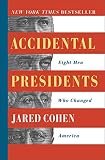
Consider Accidental Presidents by Jared Cohen. Recommended by 10 sources.
“Accidental Presidents offers eight narrative portraits of men who succeeded to the U.S. presidency without election, using anecdote-rich scenes and readable context to show how personality and circumstance interact with office power. It’s strongest as a set of self-contained stories that make succession stakes concrete for non-specialist readers; it does not prioritize dense archival argument or exhaustive methodology, so expect some interpretive generalizations and repeated themes across cases. Use it for fast historical orientation rather than scholarly deep-dives.”
Similar books

How recommendation signals are reviewed
Each recommendation is collected from a public source — interviews, articles, or curated lists — and linked to its original URL. Books with many verifiable recommendations from respected people rank higher.