
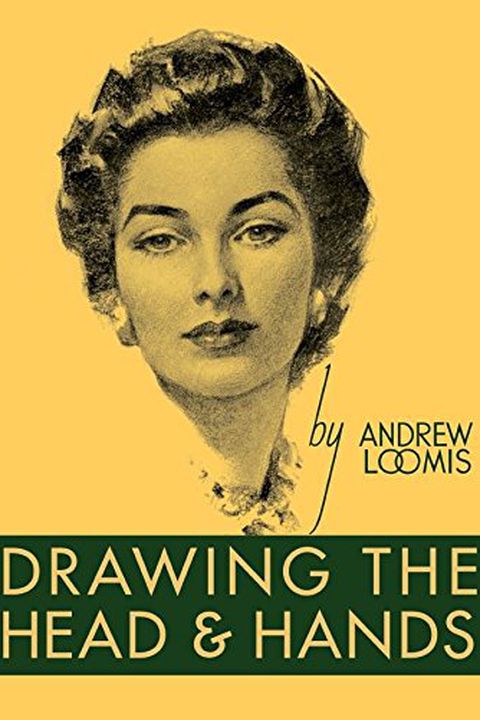
Drawing the Head and Hands
by Andrew Loomis
Reading Profile
Should I read this?
Andrew Loomis presents a constructive, proportion-first method for drawing heads and hands, relying on annotated plates and progressive demonstrations. The book reads visually: many pages show staged drawings you can copy or reverse-engineer at the easel. Its most useful element is straightforward plane construction and repeatable proportion rules that speed up believable sketching. Annoyances include dated terminology, a narrow set of model-types, and repetitive examples that assume those proportional ideals. Plan to pair it with other references for photo-based anatomy.
Read this if...
- •an art student entering life-drawing who needs quick, repeatable rules for laying in heads and hands during timed poses
- •an illustrator moving toward realistic portraiture who wants clear proportion systems and visual demonstration pages to adapt into finished sketches
- •a classroom art instructor assembling visual demos who needs compact plates and stepwise construction examples to show beginners
Skip this if...
- •You'll likely put it down when you expect photographic breakdowns or muscle-by-muscle anatomy—Loomis prioritizes construction over exhaustive anatomical detail.
- •Annoying if you prefer contemporary, inclusive figure-types and modern pedagogical language—the proportions and terminology feel rooted in another era.
- •Not for someone who wants a structured practice curriculum with step-by-step drills and progress checkpoints; the emphasis is demonstration rather than a guided practice program.
The illustrator Andrew Loomis (18921959) is revered amongst artists including the great American painter Norman Rockwell and comics superstar Alex Ross for his mastery of figure drawing and clean, Realist style. His hugely influential series of art instruction books have never been bettered. Drawing the Head and Hands is the second in Titan's ...
Before You Buy
Reading Specifications
Difficulty:easy
Audience Fit
- an art student entering life-drawing who needs quick, repeatable rules for laying in heads and hands during timed poses
- an illustrator moving toward realistic portraiture who wants clear proportion systems and visual demonstration pages to adapt into finished sketches
- a classroom art instructor assembling visual demos who needs compact plates and stepwise construction examples to show beginners
- You'll likely put it down when you expect photographic breakdowns or muscle-by-muscle anatomy—Loomis prioritizes construction over exhaustive anatomical detail.
- Annoying if you prefer contemporary, inclusive figure-types and modern pedagogical language—the proportions and terminology feel rooted in another era.
- Not for someone who wants a structured practice curriculum with step-by-step drills and progress checkpoints; the emphasis is demonstration rather than a guided practice program.
Check formats, pricing, and availability options for Kindle, physical print, or audiobooks directly.
View available editions on AmazonKey themes
Why recommended
appears in Drawing, Art, and Nonfiction.
Recommendation Signals
Recommendation proof is sourced from public posts, interviews, reading lists, and cited references.
No verified recommendation proof available yet.
Appears In
Not sure if this is the right fit?
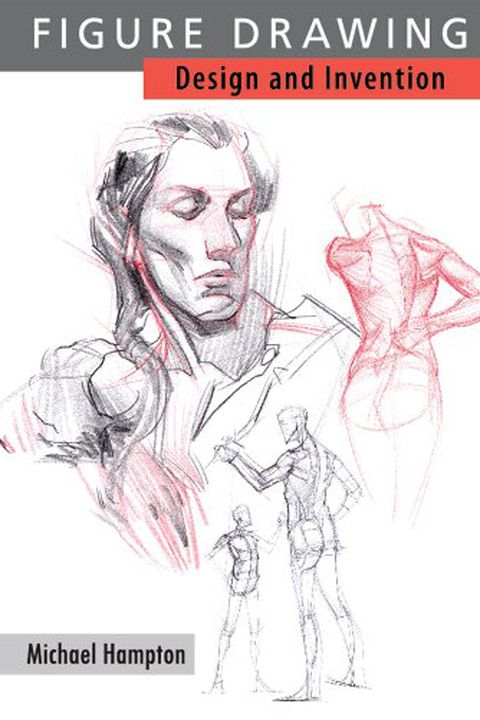
Consider Figure Drawing by Michael Hampton. Recommended by 1 sources.
Similar books
Figure Drawing
Michael Hampton
Designing Creatures and Characters
Marc Taro Holmes
Learn to Draw and Paint
Curtis Tappenden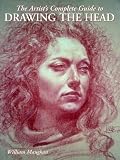
The Artist's Complete Guide to Drawing the Head
William Maughan
The Drawing Book for Kids
Woo! Jr. Kids Activities
Beginner's Guide to Creating Manga Art
Steven Cummings
Doodle Adventures
Mike Lowery
Drawing Manga Animals, Chibis, and Other Adorable Creatures
J. C. AmberlynHow recommendation signals are reviewed
Each recommendation is collected from a public source — interviews, articles, or curated lists — and linked to its original URL. Books with many verifiable recommendations from respected people rank higher.