
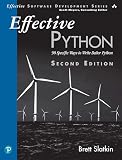
Effective Python
90 Specific Ways to Write Better Python (2nd Edition) (Effective Software Development Series)
by Brett Slatkin
Reading Profile
Should I read this?
Effective Python feels like a curated catalog of short, practical rules for writing clearer Python 3 code, each backed by a brief explanation and code example. Most useful are the immediate, copy-to-editor recommendations and the checklists you can use during code reviews to avoid common pitfalls. The limitation is relentless micro-focus: many entries dig into syntax-level limitations or edge cases that read as prescriptive and sometimes repetitive. It assumes working knowledge of Python and provides no hands-on exercises, so it works best as reference and polish rather than stepwise training.
Read this if...
- •mid-level Python developer refactoring a legacy module who needs concrete rules to modernize idioms and avoid subtle bugs during a Python 3 migration.
- •data scientist converting messy analysis notebooks into reusable scripts before handing work to engineers, because the book lists practical patterns for clearer, more maintainable code.
- •engineering tech lead doing frequent code reviews on a mixed-skill team who wants concise, quotable alternatives and quick checks for common Python anti-patterns.
Skip this if...
- •you'll likely put it down when chapters turn into dense, line-by-line code examples and micro-optimizations—readers seeking narrative or guided projects often stop here.
- •annoying if you prefer big-picture architecture or language-agnostic design rather than syntax-level prescriptions and idiom policing.
- •not ideal if you learn by doing: lacks guided exercises and stepwise projects, so beginners who need interactive practice will feel stalled.
Updated and Expanded for Python 3 It's easy to start developing programs with Python, which is why the language is so popular. However, Python's unique strengths, charms, and expressiveness can be hard to grasp, and there are hidden pitfalls that can easily trip you up.This second edition of Effective Python will help you master a truly "Pythonic" ...
Before You Buy
Reading Specifications
Difficulty:hard
Audience Fit
- mid-level Python developer refactoring a legacy module who needs concrete rules to modernize idioms and avoid subtle bugs during a Python 3 migration.
- data scientist converting messy analysis notebooks into reusable scripts before handing work to engineers, because the book lists practical patterns for clearer, more maintainable code.
- engineering tech lead doing frequent code reviews on a mixed-skill team who wants concise, quotable alternatives and quick checks for common Python anti-patterns.
- you'll likely put it down when chapters turn into dense, line-by-line code examples and micro-optimizations—readers seeking narrative or guided projects often stop here.
- annoying if you prefer big-picture architecture or language-agnostic design rather than syntax-level prescriptions and idiom policing.
- not ideal if you learn by doing: lacks guided exercises and stepwise projects, so beginners who need interactive practice will feel stalled.
Check formats, pricing, and availability options for Kindle, physical print, or audiobooks directly.
View available editions on AmazonKey themes
Why recommended
appears in Python, Programming, and Technology.
Recommendation Signals
Recommendation proof is sourced from public posts, interviews, reading lists, and cited references.
No verified recommendation proof available yet.
Appears In
Not sure if this is the right fit?
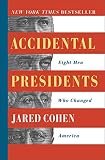
Consider Accidental Presidents by Jared Cohen. Recommended by 10 sources.
“Accidental Presidents offers eight narrative portraits of men who succeeded to the U.S. presidency without election, using anecdote-rich scenes and readable context to show how personality and circumstance interact with office power. It’s strongest as a set of self-contained stories that make succession stakes concrete for non-specialist readers; it does not prioritize dense archival argument or exhaustive methodology, so expect some interpretive generalizations and repeated themes across cases. Use it for fast historical orientation rather than scholarly deep-dives.”
Similar books

How recommendation signals are reviewed
Each recommendation is collected from a public source — interviews, articles, or curated lists — and linked to its original URL. Books with many verifiable recommendations from respected people rank higher.