
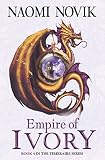
Empire of Ivory
Temeraire, Book 4
by Naomi Novik
Reading Profile
Should I read this?
Naomi Novik layers Napoleonic-era military drama onto a vividly imagined world where fighting dragons are both weapons and comrades. The prose alternates brisk aerial action with quieter chapters about quarantine, grief, and logistics, so you get tactical maneuvers and domestic heartbreak in equal measure. What works best is its character-focused attention to human–dragon bonds and the moral mess of wartime choices; the main limitation is occasional pacing bloat as political subplot and worldbuilding stretch scenes longer than necessary.
Read this if...
- •a high-school history teacher preparing a unit on the Napoleonic Wars who needs a readable narrative to hook students right now — the alternate-history setup turns familiar battles into dramatic case studies and supplies concrete ethical dilemmas to spark class discussion;
- •a full-time parent who only gets 20–40 minutes of reading each night and wants a book that rewards chunked sessions — the book delivers short, punchy aerial scenes between denser political/quarantine chapters, so you can make steady progress without committing to long stretches;
- •a book-club organizer choosing a character-driven genre pick for an upcoming meeting who wants guaranteed debate fodder — the scenes about dragon service, quarantine decisions, and wartime bureaucracy provide clear, discussable moments that prompt argument and varied reactions now.
Skip this if...
- •you'll likely put it down when the narrative shifts from action to long dossiers of political maneuvering and quarantine procedure — that middle stretch is where readers commonly lose momentum;
- •annoying if you prefer light, fast-paced fantasies: the story detours into logistical detail, mourning, and slow interpersonal scenes rather than relentless set pieces;
- •not for readers who want tidy moral clarity or purely escapist adventure — the book leans into moral ambiguity and the costs of conflict, which can feel heavy or unresolved.
Tragedy has struck His Majesty_x0092_s Aerial Corps, whose magnificent fleet of fighting dragons and their human captains valiantly defend England_x0092_s shores against the encroaching armies of Napoleon Bonaparte. An epidemic of unknown origin and no known cure is decimating the noble dragons_x0092_ ranks_x0096_ forcing the hopelessly stricken into quarantine. Now only ...
Before You Buy
Reading Specifications
Difficulty:hard
Audience Fit
- a high-school history teacher preparing a unit on the Napoleonic Wars who needs a readable narrative to hook students right now — the alternate-history setup turns familiar battles into dramatic case studies and supplies concrete ethical dilemmas to spark class discussion;
- a full-time parent who only gets 20–40 minutes of reading each night and wants a book that rewards chunked sessions — the book delivers short, punchy aerial scenes between denser political/quarantine chapters, so you can make steady progress without committing to long stretches;
- a book-club organizer choosing a character-driven genre pick for an upcoming meeting who wants guaranteed debate fodder — the scenes about dragon service, quarantine decisions, and wartime bureaucracy provide clear, discussable moments that prompt argument and varied reactions now.
- you'll likely put it down when the narrative shifts from action to long dossiers of political maneuvering and quarantine procedure — that middle stretch is where readers commonly lose momentum;
- annoying if you prefer light, fast-paced fantasies: the story detours into logistical detail, mourning, and slow interpersonal scenes rather than relentless set pieces;
- not for readers who want tidy moral clarity or purely escapist adventure — the book leans into moral ambiguity and the costs of conflict, which can feel heavy or unresolved.
Check formats, pricing, and availability options for Kindle, physical print, or audiobooks directly.
View available editions on AmazonKey themes
Why recommended
appears in Alternate History, Fantasy, and Fiction.
Recommendation Signals
Recommendation proof is sourced from public posts, interviews, reading lists, and cited references.
No verified recommendation proof available yet.
Appears In
Not sure if this is the right fit?
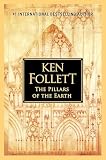
Consider The Pillars of the Earth by Ken Follett. Recommended by 5 sources.
“This sprawling, detail-rich historical novel follows cathedral builders, nobles, and townspeople across decades, delivering immersive scene-setting and a steady accumulation of plotlines. Its useful part is the sustained attention to craft—architecture, politics, rivalry—that makes the medieval world tangible. The main limitation is repetitive melodrama and swings in pacing: long, satisfying set pieces sit beside stretches that feel slow or contrived. Better read slowly rather than skimmed; readers who stick it out will find payoff in the concluding convergences.”
Similar books

How recommendation signals are reviewed
Each recommendation is collected from a public source — interviews, articles, or curated lists — and linked to its original URL. Books with many verifiable recommendations from respected people rank higher.