
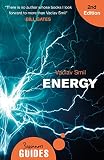
Energy
A Beginner's Guide
by Vaclav Smil


Recommended by Bill Gates and Mark Zuckerberg
Check price on AmazonProof-backed recommendation
Amazon availability
Reading Profile
Should I read this?
Smil surveys energy—from E=mc2 to human metabolism, food, cars and national grids—mixing concise science with abundant numerical detail. What works best is breadth: you can trace how physical limits and energy flows shape everyday choices and infrastructure. The main limitation is density; many chapters read like compact reference essays stacked with statistics, which can feel dry or repetitive. Tone is methodical and skeptical rather than polemical, so readers expecting glossy optimism or step-by-step policy plans will be disappointed.
Read this if...
- •a college sophomore majoring in environmental studies deciding whether to specialize in energy policy — helpful for building a quantitative, physical grounding before choosing courses or internships
- •a mid-career energy policy analyst testing assumptions in scenario models — useful as a reality-check on what scale and energy densities actually imply
- •a curious general reader who enjoys science essays and everyday-world explanations — good when you want to connect daily choices (food, transport) to physical energy constraints and don’t mind numbers
Skip this if...
- •you’ll likely put it down when chapters turn into long statistical inventories and technical asides — readers who prefer narrative-driven or anecdote-led books will lose patience
- •annoying if you prefer prescriptive how-to advice or step-by-step policy roadmaps — the book stays descriptive and empirical rather than offering action plans
- •not for readers who dislike repetition or dry tone; pacing and dense factual density create slogging stretches where momentum stalls
With one famous equation, E=mc2, Einstein proved all matter can be described as energy. It is everywhere and it is everything. In this newly updated and engaging introduction, renowned scientist Vaclav Smil explores energy in all its facets – from the inner workings of the human body to what we eat, the car we drive and the race for more efficient ...
Before You Buy
Reading Specifications
Difficulty:hard
Audience Fit
- a college sophomore majoring in environmental studies deciding whether to specialize in energy policy — helpful for building a quantitative, physical grounding before choosing courses or internships
- a mid-career energy policy analyst testing assumptions in scenario models — useful as a reality-check on what scale and energy densities actually imply
- a curious general reader who enjoys science essays and everyday-world explanations — good when you want to connect daily choices (food, transport) to physical energy constraints and don’t mind numbers
- you’ll likely put it down when chapters turn into long statistical inventories and technical asides — readers who prefer narrative-driven or anecdote-led books will lose patience
- annoying if you prefer prescriptive how-to advice or step-by-step policy roadmaps — the book stays descriptive and empirical rather than offering action plans
- not for readers who dislike repetition or dry tone; pacing and dense factual density create slogging stretches where momentum stalls
Check formats, pricing, and availability options for Kindle, physical print, or audiobooks directly.
View available editions on AmazonKey themes
Why recommended
Recommended by 4 sources and appears in Most Recommended Books, Science, and Nonfiction.
Recommended by notable people
People and public figures who have recommended this book.
Recommendation Signals
Recommendation proof is sourced from public posts, interviews, reading lists, and cited references.
Bill Gates
Co-founder of Microsoft; co-chair of the Gates Foundation
“There is no author whose books I look forward to more than Vaclav Smil.”
View sources (2) ▾80%
Appears In
Not sure if this is the right fit?
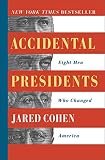
Consider Accidental Presidents by Jared Cohen. Recommended by 10 sources.
“Accidental Presidents offers eight narrative portraits of men who succeeded to the U.S. presidency without election, using anecdote-rich scenes and readable context to show how personality and circumstance interact with office power. It’s strongest as a set of self-contained stories that make succession stakes concrete for non-specialist readers; it does not prioritize dense archival argument or exhaustive methodology, so expect some interpretive generalizations and repeated themes across cases. Use it for fast historical orientation rather than scholarly deep-dives.”
Similar books

How recommendation signals are reviewed
Each recommendation is collected from a public source — interviews, articles, or curated lists — and linked to its original URL. Books with many verifiable recommendations from respected people rank higher.