
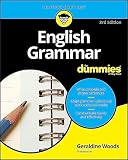
English Grammar for Dummies
by Geraldine Woods
Reading Profile
Should I read this?
This reads like a patient classroom primer: short chapters, plain language, and lots of examples aimed at resolving everyday grammar confusion. Its most useful function is as a quick-reference and refresher—rules, tips, and tricks are presented in checklists and concrete sentences rather than jargon. Limitations surface if you want linguistic theory, usage history, or rigorous debate about contested forms; the text favors straightforward, prescriptive answers and occasionally repeats points to aid readers who skim. Not a deep-dive resource.
Read this if...
- •High-school English teacher preparing lesson plans before term: needs plain examples and short rules to turn into classroom handouts and quick quizzes.
- •Office professional polishing reports and emails under a deadline: wants fast, practical answers to settle grammar doubts and improve clarity before sending.
- •Non-native English-speaking graduate student drafting application or academic essays: needs accessible rules and sample sentences to fix common mistakes quickly and confidently.
Skip this if...
- •You’ll likely put it down when you hit repeated restatements of the same rules or when you expect linguistic history or theoretical depth — those readers will grow impatient.
- •Annoying if you prefer concise academic prose: the friendly, teacherly tone and repeated examples can feel chatty and slow.
- •Not for learners wanting practice drills or structured exercises — lacks hands-on exercises and is built as a reference-style guide rather than a practice workbook.
Get the last word on English grammar Grasping the intricacies of the English language doesn't need to be tricky, and this downtoearth guide breaks everything down in ways that make senseRevealing rules, tips, and tricks to eliminate confusion and gain clarity, English Grammar For Dummies gives you everything you need to communicate with confide...
Before You Buy
Reading Specifications
Difficulty:easy
Audience Fit
- High-school English teacher preparing lesson plans before term: needs plain examples and short rules to turn into classroom handouts and quick quizzes.
- Office professional polishing reports and emails under a deadline: wants fast, practical answers to settle grammar doubts and improve clarity before sending.
- Non-native English-speaking graduate student drafting application or academic essays: needs accessible rules and sample sentences to fix common mistakes quickly and confidently.
- You’ll likely put it down when you hit repeated restatements of the same rules or when you expect linguistic history or theoretical depth — those readers will grow impatient.
- Annoying if you prefer concise academic prose: the friendly, teacherly tone and repeated examples can feel chatty and slow.
- Not for learners wanting practice drills or structured exercises — lacks hands-on exercises and is built as a reference-style guide rather than a practice workbook.
Check formats, pricing, and availability options for Kindle, physical print, or audiobooks directly.
View available editions on AmazonKey themes
Why recommended
appears in English Grammar, Writing, and Nonfiction.
Recommendation Signals
Recommendation proof is sourced from public posts, interviews, reading lists, and cited references.
No verified recommendation proof available yet.
Appears In
Not sure if this is the right fit?
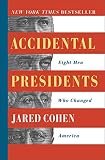
Consider Accidental Presidents by Jared Cohen. Recommended by 10 sources.
“Accidental Presidents offers eight narrative portraits of men who succeeded to the U.S. presidency without election, using anecdote-rich scenes and readable context to show how personality and circumstance interact with office power. It’s strongest as a set of self-contained stories that make succession stakes concrete for non-specialist readers; it does not prioritize dense archival argument or exhaustive methodology, so expect some interpretive generalizations and repeated themes across cases. Use it for fast historical orientation rather than scholarly deep-dives.”
Similar books

How recommendation signals are reviewed
Each recommendation is collected from a public source — interviews, articles, or curated lists — and linked to its original URL. Books with many verifiable recommendations from respected people rank higher.