

Equal Rites
Discworld, Book 3
by Terry Pratchett
Reading Profile
Should I read this?
Equal Rites is a short, humorous fantasy that uses a single conceit — a wizard's accidental transfer of power to a baby girl — to lampoon gender roles and magical apprenticeship. The prose is playful, full of puns and scene-based comedy, and the focus is more on character moments and social mockery than on elaborate quests. The main pay-off is wit and a pointed social poke; the limitation is a tendency toward vignette-style scenes that can feel repetitive or slight if you want a tightly driven plot.
Read this if...
- •a commuter who reads in 20–40 minute stretches and wants a light, chapter-sized laugh to finish within a week — chapters reset cleanly and reward short sessions.
- •a classroom teacher preparing a conversation on genre expectations who needs an accessible, humorous text to prompt debate about gender and tradition in fantasy settings.
- •a reader exhausted by grimdark who wants an antidote: someone craving subversive, satirical fantasy that prioritizes jokes and social satire over high stakes.
Skip this if...
- •you'll likely put it down when the middle settles into repeated comedic sketches and small-town lectures that slow forward momentum — that midsection is the usual drop-off point.
- •annoying if you prefer dense, systematic worldbuilding or long, high-stakes plots; the book favors scenes and quips over epic scope.
- •annoying if you dislike frequent puns, British dry humor, or a tone that leans toward didactic satire rather than subtle ambiguity.
On Discworld, a dying wizard tries to pass on his powers to an eighth son of an eighth son, who is just at that moment being born. The fact that the son is actually a daughter is discovered just a little too late. The town witch insists on turning the baby into a perfectly normal witch, thus mending the magical damage of the wizard's mistake. But n...
Before You Buy
Reading Specifications
Difficulty:easy
Audience Fit
- a commuter who reads in 20–40 minute stretches and wants a light, chapter-sized laugh to finish within a week — chapters reset cleanly and reward short sessions.
- a classroom teacher preparing a conversation on genre expectations who needs an accessible, humorous text to prompt debate about gender and tradition in fantasy settings.
- a reader exhausted by grimdark who wants an antidote: someone craving subversive, satirical fantasy that prioritizes jokes and social satire over high stakes.
- you'll likely put it down when the middle settles into repeated comedic sketches and small-town lectures that slow forward momentum — that midsection is the usual drop-off point.
- annoying if you prefer dense, systematic worldbuilding or long, high-stakes plots; the book favors scenes and quips over epic scope.
- annoying if you dislike frequent puns, British dry humor, or a tone that leans toward didactic satire rather than subtle ambiguity.
Check formats, pricing, and availability options for Kindle, physical print, or audiobooks directly.
View available editions on AmazonKey themes
Why recommended
Recommended by 1 source and appears in Fantasy and Fiction.
Recommended by notable people
People and public figures who have recommended this book.
Recommendation Signals
Recommendation proof is sourced from public posts, interviews, reading lists, and cited references.
Appears In
Not sure if this is the right fit?
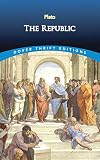
Consider The Republic by Plato. Recommended by 13 sources.
“Plato stages an extended Socratic conversation that moves from concrete questions about justice into broad proposals about an ideal city, the structure of the soul, and what counts as reality and knowledge. Reading alternates brisk question-and-answer snippets with long, cumulative demonstrations that reward careful attention and annotation. Main value: a wealth of thought experiments for testing political and ethical intuitions. Main limitation: repetitive refutations, long policy sketches and dense metaphysical passages can feel abstruse and slow; patience and some philosophical background help.”
Similar books
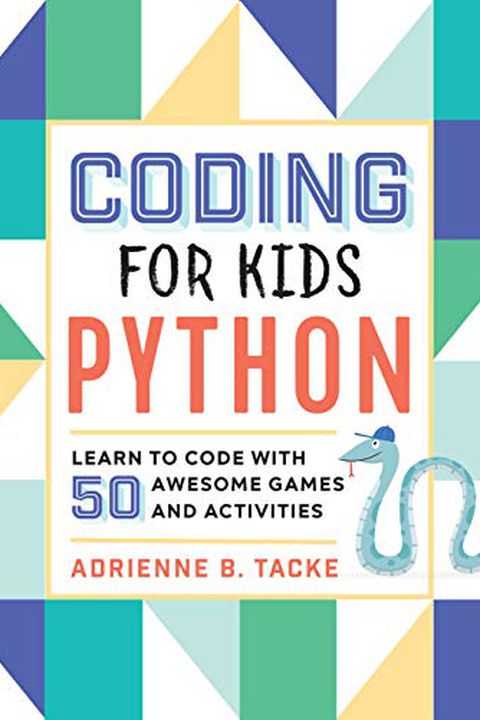

How recommendation signals are reviewed
Each recommendation is collected from a public source — interviews, articles, or curated lists — and linked to its original URL. Books with many verifiable recommendations from respected people rank higher.