
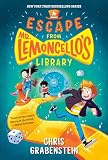
Escape from Mr. Lemoncello's Library
by Chris Grabenstein
Reading Profile
Should I read this?
Bright, propulsive middle-grade mystery that reads like a scavenger hunt: short chapters, quick jokes, and a string of puzzles propelling the plot. Its useful part is converting game-obsessed kids into eager readers by folding riddles and competitive stakes into every scene. Limitations: characters lean toward caricature and the solutions sometimes depend on contrived clues or pop-culture trivia, so adults hoping for emotional depth or surprise twists may find the stakes thin. Best consumed as a group read-aloud or fast independent read.
Read this if...
- •an 11-year-old who prefers video games and short bursts of action and needs a bridge into chapter books because the book’s game structure and puzzles mimic what they already enjoy
- •an elementary school teacher planning a week of read-alouds and classroom puzzles because the book’s short chapters and scavenger-hunt energy translate well into group activities
- •a parent arranging summer reading challenges who wants a light, competitive title to spark sibling rivalry and conversation without demanding heavy emotional labor
Skip this if...
- •you’ll likely put it down when the same trick—an elaborate clue leading to a dramatic reveal—repeats enough that the novelty wears off; the midsection can feel like puzzle-after-puzzle without deeper payoff
- •annoying if you prefer subtle character work or realistic stakes, because many cast members are broad caricatures and moral lessons are spelled out plainly
- •frustrating if you hate pop-culture or trivia-based solutions: some puzzles hinge on outside references or clever knowledge rather than purely logical deduction
A New York Times BestsellerKyle Keeley is the class clown, popular with most kids, (if not the teachers), and an ardent fan of all games: board games, word games, and particularly video games. His hero, Luigi Lemoncello, the most notorious and creative gamemaker in the world, just so happens to be the genius behind the building of the new town libr...
Before You Buy
Reading Specifications
Difficulty:hard
Audience Fit
- an 11-year-old who prefers video games and short bursts of action and needs a bridge into chapter books because the book’s game structure and puzzles mimic what they already enjoy
- an elementary school teacher planning a week of read-alouds and classroom puzzles because the book’s short chapters and scavenger-hunt energy translate well into group activities
- a parent arranging summer reading challenges who wants a light, competitive title to spark sibling rivalry and conversation without demanding heavy emotional labor
- you’ll likely put it down when the same trick—an elaborate clue leading to a dramatic reveal—repeats enough that the novelty wears off; the midsection can feel like puzzle-after-puzzle without deeper payoff
- annoying if you prefer subtle character work or realistic stakes, because many cast members are broad caricatures and moral lessons are spelled out plainly
- frustrating if you hate pop-culture or trivia-based solutions: some puzzles hinge on outside references or clever knowledge rather than purely logical deduction
Check formats, pricing, and availability options for Kindle, physical print, or audiobooks directly.
View available editions on AmazonKey themes
Why recommended
appears in For 10 Year Olds, Mystery & Crime, and Fiction.
Recommendation Signals
Recommendation proof is sourced from public posts, interviews, reading lists, and cited references.
No verified recommendation proof available yet.
Appears In
Not sure if this is the right fit?
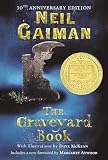
Consider The Graveyard Book by Neil Gaiman. Recommended by 8 sources.
“Reading this moves like a chain of small, eerie vignettes: lively openings set up a boy raised in a graveyard and then the narrative alternates between short adventures and quieter, reflective passages. Its useful part is a strong, child-centered mood and highly readable chapters that suit aloud reading and younger audiences. The main limitation is an episodic structure that can feel fragmentary if you prefer sustained plotting or continuous suspense.”
Similar books
How recommendation signals are reviewed
Each recommendation is collected from a public source — interviews, articles, or curated lists — and linked to its original URL. Books with many verifiable recommendations from respected people rank higher.