
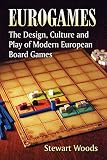
Eurogames
The Design, Culture and Play of Modern European Board Games
by Stewart Woods
Reading Profile
Should I read this?
Eurogames reads like a close, scholarly look at German-style board games: clear on definitions, short-play design choices, and why low randomness and tight rules produce particular strategic tensions. The most useful passages name mechanics and limitations in language a designer or critic can reuse. The downside is a dry, academic tone and long taxonomies of history and mechanic types that slow the pace. It delivers analysis more than anecdotes or shopping advice, so expect clarity about form rather than playable examples or player narratives.
Read this if...
- •an independent game designer prototyping a euro-style title who needs precise language about mechanics and pacing to justify rule choices
- •a board-game shop owner drafting concise staff notes and customer blurbs to explain why certain titles reward planning over luck
- •a cultural-studies undergraduate writing a term paper on tabletop gaming trends who wants focused historical and hobbyist-context description to support an argument
Skip this if...
- •annoying if you prefer lively player stories, punchy buying guides, or quick, ready-to-apply design templates — this is more analytic than anecdotal
- •you'll likely put it down when chapters shift into sustained academic-style analysis and long taxonomies of mechanics and history; the prose tightens and the pace slows
- •not for readers seeking a how-to manual or immediate play examples — expect explanation of form rather than step-by-step instruction
While board games can appear almost primitive in the digital age, eurogamesalso known as Germanstyle board gameshave increased in popularity nearly concurrently with the rise of video games. Eurogames have simple rules and short playing times and emphasize strategy over luck and conflict. This book examines the form of eurogames, the hobbyist ...
Before You Buy
Reading Specifications
Difficulty:hard
Audience Fit
- an independent game designer prototyping a euro-style title who needs precise language about mechanics and pacing to justify rule choices
- a board-game shop owner drafting concise staff notes and customer blurbs to explain why certain titles reward planning over luck
- a cultural-studies undergraduate writing a term paper on tabletop gaming trends who wants focused historical and hobbyist-context description to support an argument
- annoying if you prefer lively player stories, punchy buying guides, or quick, ready-to-apply design templates — this is more analytic than anecdotal
- you'll likely put it down when chapters shift into sustained academic-style analysis and long taxonomies of mechanics and history; the prose tightens and the pace slows
- not for readers seeking a how-to manual or immediate play examples — expect explanation of form rather than step-by-step instruction
Check formats, pricing, and availability options for Kindle, physical print, or audiobooks directly.
View available editions on AmazonKey themes
Why recommended
appears in Game Design and Nonfiction.
Recommendation Signals
Recommendation proof is sourced from public posts, interviews, reading lists, and cited references.
No verified recommendation proof available yet.
Appears In
Not sure if this is the right fit?
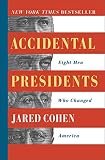
Consider Accidental Presidents by Jared Cohen. Recommended by 10 sources.
“Accidental Presidents offers eight narrative portraits of men who succeeded to the U.S. presidency without election, using anecdote-rich scenes and readable context to show how personality and circumstance interact with office power. It’s strongest as a set of self-contained stories that make succession stakes concrete for non-specialist readers; it does not prioritize dense archival argument or exhaustive methodology, so expect some interpretive generalizations and repeated themes across cases. Use it for fast historical orientation rather than scholarly deep-dives.”
Similar books

How recommendation signals are reviewed
Each recommendation is collected from a public source — interviews, articles, or curated lists — and linked to its original URL. Books with many verifiable recommendations from respected people rank higher.