
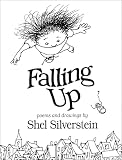
Falling Up
by Shel Silverstein
Reading Profile
Should I read this?
Falling Up is a brisk collection of short, rhythmic poems paired with spare line drawings that trade on absurd images, slapstick mishaps, and sudden verbal twists. It performs best out loud—many pieces invite silly voices, dramatic pauses, and immediate giggles. What works best is its immediacy: poems you can hand to a child for an instant laugh. The main limitation is unevenness; novelty wears down as similar comic devices repeat, and readers wanting character or emotional development will be disappointed.
Read this if...
- •Parent reading nightly to a 3–8-year-old who loves silly voices: the short rhymes and clear beats make quick, entertaining bedtime detours.
- •Elementary school teacher assembling a K–2 poetry unit who needs short, performative pieces to model rhythm, rhyme, and reading aloud.
- •Children's librarian running preschool storytime who wants high-energy, audience-friendly poems that invite participation and immediate laughter.
Skip this if...
- •You’ll likely put it down when the same brand of absurdity and physical-gag humor repeat and novelty fades—patience runs out if you want variety across long stretches.
- •Annoying if you prefer emotionally complex or plot-centered books—this is a string of moments, not character arcs or lessons.
- •Troublesome if you dislike mild grotesque or slapstick imagery; several poems lean into broken bones, smoking nostrils, and other cartoonish mishaps.
Millie McDeevit screamed a screamSo loud it made her eyebrows steam.She screamed so loudHer jawbone broke,Her tongue caught fire,Her nostrils smoked... Poor Screamin' Millie is just one of the unforgettable characters in this wondrous new book of poems and drawings by the creator of Where the Sidewalk Ends and A Light in the Attic. Here you will al...
Before You Buy
Reading Specifications
Difficulty:easy
Audience Fit
- Parent reading nightly to a 3–8-year-old who loves silly voices: the short rhymes and clear beats make quick, entertaining bedtime detours.
- Elementary school teacher assembling a K–2 poetry unit who needs short, performative pieces to model rhythm, rhyme, and reading aloud.
- Children's librarian running preschool storytime who wants high-energy, audience-friendly poems that invite participation and immediate laughter.
- You’ll likely put it down when the same brand of absurdity and physical-gag humor repeat and novelty fades—patience runs out if you want variety across long stretches.
- Annoying if you prefer emotionally complex or plot-centered books—this is a string of moments, not character arcs or lessons.
- Troublesome if you dislike mild grotesque or slapstick imagery; several poems lean into broken bones, smoking nostrils, and other cartoonish mishaps.
Check formats, pricing, and availability options for Kindle, physical print, or audiobooks directly.
View available editions on AmazonKey themes
Why recommended
appears in Poetry, Poetry, and Fiction.
Recommendation Signals
Recommendation proof is sourced from public posts, interviews, reading lists, and cited references.
No verified recommendation proof available yet.
Appears In
Not sure if this is the right fit?
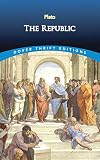
Consider The Republic by Plato. Recommended by 13 sources.
“Plato stages an extended Socratic conversation that moves from concrete questions about justice into broad proposals about an ideal city, the structure of the soul, and what counts as reality and knowledge. Reading alternates brisk question-and-answer snippets with long, cumulative demonstrations that reward careful attention and annotation. Main value: a wealth of thought experiments for testing political and ethical intuitions. Main limitation: repetitive refutations, long policy sketches and dense metaphysical passages can feel abstruse and slow; patience and some philosophical background help.”
Similar books

How recommendation signals are reviewed
Each recommendation is collected from a public source — interviews, articles, or curated lists — and linked to its original URL. Books with many verifiable recommendations from respected people rank higher.