
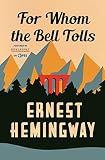
For Whom the Bell Tolls
by Ernest Hemingway

2 more
More Recommenders
Recommended by 4 notable people, including Jordan Peterson and Josh Waitzkin
Check price on AmazonProof-backed recommendation
Amazon availability
Reading Profile
Should I read this?
Sparse, muscular sentences drive a wartime sabotage plot through long stretches of interior reflection and landscape description. The reading payoff is a vivid, immediate sense of being on a front-line mission and feeling the moral stakes of choosing action under pressure. The main limitation is pacing: planning scenes and philosophical asides recur and lengthen the middle, so readers expecting uninterrupted momentum may feel stalled. Best read when you can sit with mood and moral ambiguity rather than chase constant plot turns.
Read this if...
- •a graduate student in modern European history preparing a seminar on civilian resistance who needs vivid fictional scenes to illustrate moral choices under occupation and spark class discussion
- •an MFA fiction student revising short stories who wants concrete examples of economical sentencecraft and sustained inward voice to model in workshop feedback
- •a reader with an uninterrupted 8–15 hour travel block (long train or a week-long holiday) who prefers slow-building tension, atmosphere, and moral focus over rapid plot twists
Skip this if...
- •you'll likely put it down when lengthy planning and repeated philosophical asides replace immediate action — the middle can feel slow and circular
- •annoying if you prefer modern snappy dialogue and quick-pulse pacing; the prose is economical but the emotional weight moves deliberately
- •avoid if you want explicit historical background or a clear political primer; political context is present but woven into mood and choices rather than explained step-by-step
In 1937 Ernest Hemingway traveled to Spain to cover the civil war there for the North American Newspaper Alliance. Three years later he completed the greatest novel to emerge from "the good fight," For Whom the Bell Tolls.The story of Robert Jordan, a young American in the International Brigades attached to an antifascist guerilla unit in the mount...
Before You Buy
Reading Specifications
Difficulty:hard
Audience Fit
- a graduate student in modern European history preparing a seminar on civilian resistance who needs vivid fictional scenes to illustrate moral choices under occupation and spark class discussion
- an MFA fiction student revising short stories who wants concrete examples of economical sentencecraft and sustained inward voice to model in workshop feedback
- a reader with an uninterrupted 8–15 hour travel block (long train or a week-long holiday) who prefers slow-building tension, atmosphere, and moral focus over rapid plot twists
- you'll likely put it down when lengthy planning and repeated philosophical asides replace immediate action — the middle can feel slow and circular
- annoying if you prefer modern snappy dialogue and quick-pulse pacing; the prose is economical but the emotional weight moves deliberately
- avoid if you want explicit historical background or a clear political primer; political context is present but woven into mood and choices rather than explained step-by-step
Check formats, pricing, and availability options for Kindle, physical print, or audiobooks directly.
View available editions on AmazonKey themes
Why recommended
Recommended by 8 sources and appears in Spanish Civil War, Most Recommended Books, and Fiction.
Recommended by notable people
People and public figures who have recommended this book.
Recommendation Signals
Recommendation proof is sourced from public posts, interviews, reading lists, and cited references.
Josh Waitzkin
“For Whom the Bell Tolls by Ernest Hemingway a book from my great books list”
View sources (2) ▾80%
Appears In
Not sure if this is the right fit?
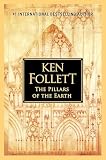
Consider The Pillars of the Earth by Ken Follett. Recommended by 5 sources.
“This sprawling, detail-rich historical novel follows cathedral builders, nobles, and townspeople across decades, delivering immersive scene-setting and a steady accumulation of plotlines. Its useful part is the sustained attention to craft—architecture, politics, rivalry—that makes the medieval world tangible. The main limitation is repetitive melodrama and swings in pacing: long, satisfying set pieces sit beside stretches that feel slow or contrived. Better read slowly rather than skimmed; readers who stick it out will find payoff in the concluding convergences.”
Similar books
How recommendation signals are reviewed
Each recommendation is collected from a public source — interviews, articles, or curated lists — and linked to its original URL. Books with many verifiable recommendations from respected people rank higher.