
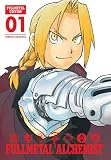
Fullmetal Alchemist
Fullmetal Edition, Vol. 1 (1)
by Hiromu Arakawa
Reading Profile
Should I read this?
Fullmetal Alchemist opens like an action-adventure manga with quick, kinetic panels and a jokey elder-brother/smaller-brother rapport; that surface gradually gives way to darker moral riddles and serialized conspiracies wrapped around questions of sacrifice and state power. What works best is its mix of tight plotting, emotional stakes, and steady escalation from episodic cases into an interconnected arc. The main limit: tone shifts from light to grim can feel abrupt, and some readers find stretches of exposition and tangled conspiracy lore slow the middle volumes.
Read this if...
- •a university student commuting between campus and home who wants bingeable reading pockets — volumes are quick to finish and reward following long arcs across issues.
- •a graduate student or seminar leader prepping for ethics discussions who needs vivid fictional cases about sacrifice, personhood, and state power to spark conversation.
- •a sequential-arts student or early-career cartoonist studying pacing and panel economy, because the layouts balance action, quiet beats, and clear visual storytelling.
Skip this if...
- •you'll likely put it down when the plot moves from episodic adventures into long exposition and conspiracy-building — the middle stretch can feel dense and lore-heavy.
- •annoying if you prefer purely light or purely grim stories: frequent tone swings from slapstick to trauma can feel manipulative or uneven.
- •not for readers avoiding graphic injury, bodily-horror imagery, or extended grief arcs; those scenes recur and are central to the stakes.
Alchemy: the mystical power to alter the natural world; something between magic, art and science. When two brothers, Edward and Alphonse Elric, dabbled in this power to grant their dearest wish, one of them lost an arm and a leg...and the other became nothing but a soul locked into a body of living steel. Now Edward is an agent of the government, a...
Before You Buy
Reading Specifications
Difficulty:easy
Audience Fit
- a university student commuting between campus and home who wants bingeable reading pockets — volumes are quick to finish and reward following long arcs across issues.
- a graduate student or seminar leader prepping for ethics discussions who needs vivid fictional cases about sacrifice, personhood, and state power to spark conversation.
- a sequential-arts student or early-career cartoonist studying pacing and panel economy, because the layouts balance action, quiet beats, and clear visual storytelling.
- you'll likely put it down when the plot moves from episodic adventures into long exposition and conspiracy-building — the middle stretch can feel dense and lore-heavy.
- annoying if you prefer purely light or purely grim stories: frequent tone swings from slapstick to trauma can feel manipulative or uneven.
- not for readers avoiding graphic injury, bodily-horror imagery, or extended grief arcs; those scenes recur and are central to the stakes.
Check formats, pricing, and availability options for Kindle, physical print, or audiobooks directly.
View available editions on AmazonKey themes
Why recommended
appears in Comics, Fantasy, and Fiction.
Recommendation Signals
Recommendation proof is sourced from public posts, interviews, reading lists, and cited references.
No verified recommendation proof available yet.
Appears In
Not sure if this is the right fit?
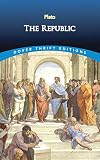
Consider The Republic by Plato. Recommended by 13 sources.
“Plato stages an extended Socratic conversation that moves from concrete questions about justice into broad proposals about an ideal city, the structure of the soul, and what counts as reality and knowledge. Reading alternates brisk question-and-answer snippets with long, cumulative demonstrations that reward careful attention and annotation. Main value: a wealth of thought experiments for testing political and ethical intuitions. Main limitation: repetitive refutations, long policy sketches and dense metaphysical passages can feel abstruse and slow; patience and some philosophical background help.”
Similar books
How recommendation signals are reviewed
Each recommendation is collected from a public source — interviews, articles, or curated lists — and linked to its original URL. Books with many verifiable recommendations from respected people rank higher.