
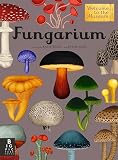
Fungarium
Welcome to the Museum
by Ester Gaya
Reading Profile
Should I read this?
This reads like a cabinet-of-curiosities in book form: ornate, close-up plates and richly detailed art that showcase edible mushrooms, molds, and historically notable fungi. Its useful part is visual — it makes unfamiliar forms memorable and sparks curiosity for the natural world. The main limitation is depth: explanations stay introductory rather than getting technical, and the book favors aesthetic presentation over stepwise identification or lab-style detail. Best taken in short, image-led sittings rather than as a manual.
Read this if...
- •a middle-school science teacher planning a biodiversity unit who needs striking visuals to introduce students to fungal variety and provoke questions without heavy jargon
- •a home cook curious about mushrooms who wants to appreciate shapes and contexts of common edible species before consulting a field guide for foraging details
- •a hobby naturalist starting a personal collection of notes and sketches who wants visual inspiration and comparative plates to spark further investigation
Skip this if...
- •you'll likely put it down when you want field-ready identification or dichotomous keys — the book is image-first and light on technical markers
- •annoying if you prefer text-heavy, academic treatments or dense explanations — this leans decorative and can feel thin on biological mechanisms
- •skip if you want hands-on exercises or a practical how-to; there are no step-by-step activities or training elements, just illustration and overview
Illustrator Katie Scott returns to the Welcome to the Museum series with exquisite, detailed images of some of the most fascinating living organisms on this planet?fungi. Exploring every sort of fungi, from the kinds we see on supermarket shelves to those like penicillium that have shaped human history, this collection is the definitive introductio...
Before You Buy
Reading Specifications
Difficulty:easy
Audience Fit
- a middle-school science teacher planning a biodiversity unit who needs striking visuals to introduce students to fungal variety and provoke questions without heavy jargon
- a home cook curious about mushrooms who wants to appreciate shapes and contexts of common edible species before consulting a field guide for foraging details
- a hobby naturalist starting a personal collection of notes and sketches who wants visual inspiration and comparative plates to spark further investigation
- you'll likely put it down when you want field-ready identification or dichotomous keys — the book is image-first and light on technical markers
- annoying if you prefer text-heavy, academic treatments or dense explanations — this leans decorative and can feel thin on biological mechanisms
- skip if you want hands-on exercises or a practical how-to; there are no step-by-step activities or training elements, just illustration and overview
Check formats, pricing, and availability options for Kindle, physical print, or audiobooks directly.
View available editions on AmazonKey themes
Why recommended
appears in Mushrooms.
Recommendation Signals
Recommendation proof is sourced from public posts, interviews, reading lists, and cited references.
No verified recommendation proof available yet.
Appears In
Not sure if this is the right fit?
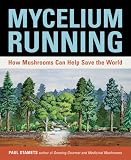
Consider Mycelium Running by Paul Stamets. Recommended by 1 sources.
Similar books
Mycelium Running
Paul Stamets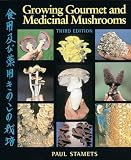
Growing Gourmet and Medicinal Mushrooms
Paul Stamets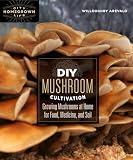
DIY Mushroom Cultivation
Willoughby Arevalo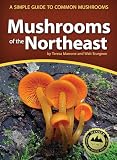
Mushrooms of the Northeast
Teresa Marrone, Walt Sturgeon
Healing Mushrooms
Tero Isokauppila, Four Sigmatic
Peterson Field Guide to Mushrooms of North America
Karl B. McKnight, Joseph R. Rohrer, Kirsten McKnight Ward, Kent H. McKnight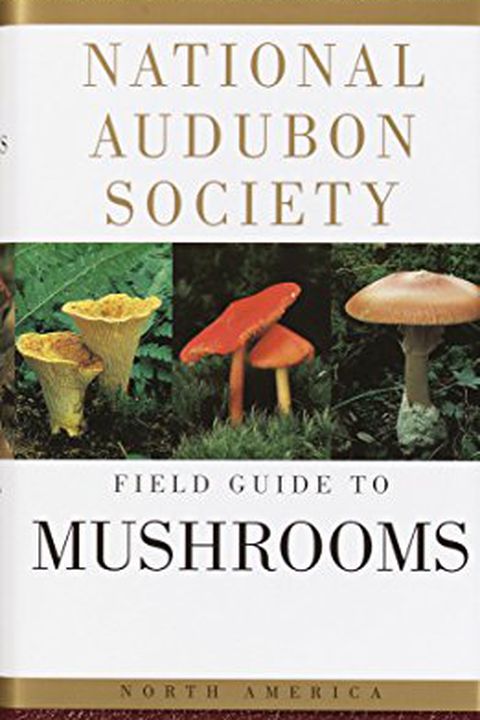
The Audubon Society Field Guide to North American Mushrooms
National Audubon Society
The Mushroom Fan Club
Elise GravelHow recommendation signals are reviewed
Each recommendation is collected from a public source — interviews, articles, or curated lists — and linked to its original URL. Books with many verifiable recommendations from respected people rank higher.