
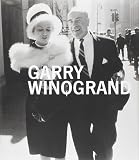
Garry Winogrand Metropolitan Museum, New York
Exhibition Catalogues)
by Leo Rubinfien
Reading Profile
Should I read this?
Image-first, museum-style volume pairing large black-and-white plates with curatorial commentary. Best used for lingering over repeated sequences to study framing, gesture, and pacing; reproductions are arranged to reveal editorial shaping and recurring motifs. Limitation: long stretches of visually similar plates interspersed with essay sections slow narrative momentum and can feel repetitive, frustrating readers who want a brisk argument or practical camera guidance. Better as a slow, episodic browse or reference than a single-session read.
Read this if...
- •museum educator preparing a guided session on 1960s street photography who needs high-quality plates and sequencing to show students framing and social detail.
- •MFA student writing a paper on mid‑century urban visual culture who wants exhibition sequencing and annotated reproductions for close formal analysis.
- •enthusiastic hobbyist photographer studying candid composition who prefers learning by examining many printed frames and comparing timing and gesture rather than following technical tutorials.
Skip this if...
- •you want practical camera technique — you'll likely put it down when the book favors long visual sequences and curatorial prose over clear, actionable tips.
- •you prefer a tight narrative arc — annoying if you want fast-moving argument rather than slow visual immersion and exhibition-style pacing.
- •you dislike repetition — you'll lose interest when similar plates recur without fresh contextual payoff and forward momentum stalls.
Widely regarded as one of the most important photographers of the 20th century, Garry Winogrand (1928?1984) did much of his bestknown work in Manhattan during the 1960s, becoming an epic chronicler of that tumultuous decade. But Winogrand was also an avid traveler and roamed extensively around the United States, bringing exquisite work out of near...
Before You Buy
Reading Specifications
Difficulty:hard
Audience Fit
- museum educator preparing a guided session on 1960s street photography who needs high-quality plates and sequencing to show students framing and social detail.
- MFA student writing a paper on mid‑century urban visual culture who wants exhibition sequencing and annotated reproductions for close formal analysis.
- enthusiastic hobbyist photographer studying candid composition who prefers learning by examining many printed frames and comparing timing and gesture rather than following technical tutorials.
- you want practical camera technique — you'll likely put it down when the book favors long visual sequences and curatorial prose over clear, actionable tips.
- you prefer a tight narrative arc — annoying if you want fast-moving argument rather than slow visual immersion and exhibition-style pacing.
- you dislike repetition — you'll lose interest when similar plates recur without fresh contextual payoff and forward momentum stalls.
Check formats, pricing, and availability options for Kindle, physical print, or audiobooks directly.
View available editions on AmazonKey themes
Why recommended
appears in Photography, Art, and Nonfiction.
Recommendation Signals
Recommendation proof is sourced from public posts, interviews, reading lists, and cited references.
No verified recommendation proof available yet.
Appears In
Not sure if this is the right fit?
Consider Accidental Presidents by Jared Cohen. Recommended by 10 sources.
“Accidental Presidents offers eight narrative portraits of men who succeeded to the U.S. presidency without election, using anecdote-rich scenes and readable context to show how personality and circumstance interact with office power. It’s strongest as a set of self-contained stories that make succession stakes concrete for non-specialist readers; it does not prioritize dense archival argument or exhaustive methodology, so expect some interpretive generalizations and repeated themes across cases. Use it for fast historical orientation rather than scholarly deep-dives.”
Similar books

How recommendation signals are reviewed
Each recommendation is collected from a public source — interviews, articles, or curated lists — and linked to its original URL. Books with many verifiable recommendations from respected people rank higher.