
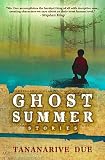
Ghost Summer
Stories
by Tananarive Due
Reading Profile
Should I read this?
Ghost Summer reads like a linked short-story cycle set in a small Florida town where ghosts—literal and metaphorical—intersect with family memory and racial history. The strongest draw is atmosphere: lyrical prose, close character work, and speculative Afrofuturist flashes that make ordinary domestic scenes feel unsettled. Main limitation: several pieces favor mood and implication over clear resolution or fast plot, so readers who want tidy endings or adrenaline-driven scares may find parts slow or elliptical.
Read this if...
- •an MFA student assembling a syllabus on contemporary Black speculative fiction who needs short, discussable pieces that tie personal history to the uncanny
- •a reader with a long weekend and a taste for slow-burn literary horror who wants stories to sit with rather than race through
- •a book-club leader programming a month on Southern-set weird fiction and looking for compact stories that spark conversation about memory, race, and haunting
Skip this if...
- •you'll likely put it down when stories prioritize atmosphere over plot and leave emotional beats unresolved; that mid-collection lull is where many readers stop
- •annoying if you prefer fast-paced, gore-driven, or plot-heavy horror—the collection leans lyrical and reflective rather than action-oriented
- •you'll lose interest if you expected sustained Afrofuturist worldbuilding or explicit speculative mechanics; the book uses speculative elements as evocative touches rather than systematic invention
Whether weaving family life and history into dark fiction or writing speculative Afrofuturism, American Book Award winner and Essence bestselling author Tananarive Due_x0092_s work is both riveting and enlightening. In her debut collection of short fiction, Due takes us to Gracetown, a small Florida town that has both literal and figurative ghost; into f...
Before You Buy
Reading Specifications
Difficulty:hard
Audience Fit
- an MFA student assembling a syllabus on contemporary Black speculative fiction who needs short, discussable pieces that tie personal history to the uncanny
- a reader with a long weekend and a taste for slow-burn literary horror who wants stories to sit with rather than race through
- a book-club leader programming a month on Southern-set weird fiction and looking for compact stories that spark conversation about memory, race, and haunting
- you'll likely put it down when stories prioritize atmosphere over plot and leave emotional beats unresolved; that mid-collection lull is where many readers stop
- annoying if you prefer fast-paced, gore-driven, or plot-heavy horror—the collection leans lyrical and reflective rather than action-oriented
- you'll lose interest if you expected sustained Afrofuturist worldbuilding or explicit speculative mechanics; the book uses speculative elements as evocative touches rather than systematic invention
Check formats, pricing, and availability options for Kindle, physical print, or audiobooks directly.
View available editions on AmazonKey themes
Why recommended
appears in Horror, Fantasy, and Fiction.
Recommendation Signals
Recommendation proof is sourced from public posts, interviews, reading lists, and cited references.
No verified recommendation proof available yet.
Appears In
Not sure if this is the right fit?
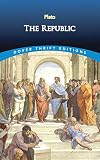
Consider The Republic by Plato. Recommended by 13 sources.
“Plato stages an extended Socratic conversation that moves from concrete questions about justice into broad proposals about an ideal city, the structure of the soul, and what counts as reality and knowledge. Reading alternates brisk question-and-answer snippets with long, cumulative demonstrations that reward careful attention and annotation. Main value: a wealth of thought experiments for testing political and ethical intuitions. Main limitation: repetitive refutations, long policy sketches and dense metaphysical passages can feel abstruse and slow; patience and some philosophical background help.”
Similar books
How recommendation signals are reviewed
Each recommendation is collected from a public source — interviews, articles, or curated lists — and linked to its original URL. Books with many verifiable recommendations from respected people rank higher.