
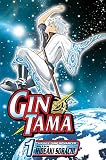
Gin Tama, Vol. 1
by Hideaki Sorachi
Reading Profile
Should I read this?
Fast-paced, joke-packed manga that mixes samurai tropes with sci‑fi absurdity; each chapter works like a short comedy sketch, switching between slapstick, parody, and occasional sincere beats. Main value: sharp, unpredictable humor and visual gags that reward readers who enjoy genre jokes and running punchlines. Main limitation: episodic structure and repetition mean emotional payoff is sporadic and some jokes land only with familiarity or cultural context. If you want a tight, plot-driven saga, this volume's sketchy tone and gag-first pacing will frustrate you.
Read this if...
- •graduate student who rides a 20-minute subway each morning and wants a light, laughable read between classes — short, self-contained chapters let you finish a full gag in one commute.
- •college student taking a contemporary Japanese culture or media class who needs a quick example of gag manga and genre parody — this volume collects short episodes that illustrate running-joke mechanics without committing to a long plot.
- •indie cartoonist or comedy-writer tightening panel timing for short strips and webcomics — the emphasis on facial expressions, abrupt beats, and visual punchlines makes it a compact study aid you can scan and mimic in brief practice sessions.
Skip this if...
- •reader who prefers steady, plot-forward storytelling — you'll likely lose patience because the volume repeatedly detours into one-off gags instead of building escalating stakes or a continuous arc.
- •reader who dislikes crude, gross-out, or toilet-humor — blunt punchlines and juvenile jokes return often and can grate if you prefer subtler wit.
- •you'll likely put it down when recurring gag patterns pile up without escalation or character change; if you notice by a few chapters in that the same joke templates repeat with no deeper stakes, this volume will drag for you.
Samurai Gintoki Sakata works in a freelancer business, Odd Jobs Gin, after Edo was conquered by aliens named Amanto in order to pay the monthly rent from where he lives. In his days, Gintoki is joined by Shinpachi Shimura, a teenager son of a samurai who wants to learn about him, and Kagura, an alien girl who went to Earth to earn money for her poo...
Before You Buy
Reading Specifications
Difficulty:easy
Audience Fit
- graduate student who rides a 20-minute subway each morning and wants a light, laughable read between classes — short, self-contained chapters let you finish a full gag in one commute.
- college student taking a contemporary Japanese culture or media class who needs a quick example of gag manga and genre parody — this volume collects short episodes that illustrate running-joke mechanics without committing to a long plot.
- indie cartoonist or comedy-writer tightening panel timing for short strips and webcomics — the emphasis on facial expressions, abrupt beats, and visual punchlines makes it a compact study aid you can scan and mimic in brief practice sessions.
- reader who prefers steady, plot-forward storytelling — you'll likely lose patience because the volume repeatedly detours into one-off gags instead of building escalating stakes or a continuous arc.
- reader who dislikes crude, gross-out, or toilet-humor — blunt punchlines and juvenile jokes return often and can grate if you prefer subtler wit.
- you'll likely put it down when recurring gag patterns pile up without escalation or character change; if you notice by a few chapters in that the same joke templates repeat with no deeper stakes, this volume will drag for you.
Check formats, pricing, and availability options for Kindle, physical print, or audiobooks directly.
View available editions on AmazonKey themes
Why recommended
appears in Samurai Manga.
Recommendation Signals
Recommendation proof is sourced from public posts, interviews, reading lists, and cited references.
No verified recommendation proof available yet.
Appears In
Not sure if this is the right fit?
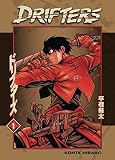
Consider Drifters Volume 1 by Kohta Hirano.
Similar books
How recommendation signals are reviewed
Each recommendation is collected from a public source — interviews, articles, or curated lists — and linked to its original URL. Books with many verifiable recommendations from respected people rank higher.