
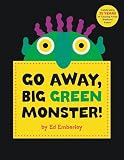
Go Away, Big Green Monster!
by Ed Emberley
Reading Profile
Should I read this?
Short, theatrical picture book built around die-cut pages: as each page is turned, parts of a cartoon monster disappear until it vanishes. it reads as high-energy and tactile, ideal for read-alouds where the adult supplies dramatic voice and timing. Its useful part is immediate, playful exposure to scary images through repetition and surprise; the main limitation is minimal text and plot, so adults or older siblings who want character depth or varied language may find it repetitive after several readings.
Read this if...
- •Parent of a 2–5-year-old who startles at shadows: great for bedtime when you want a quick, predictable ritual that turns a scary image into a silly one through staged reveals.
- •Preschool teacher planning a short group activity (circle time or Halloween session): useful as a theatrical read that invites group reactions and simple participation without prep.
- •Childcare provider needing an easy-repeat read for transitions: bold pictures and a single gimmick make it reliable for multiple quick re-reads and for calming or focusing a small group.
Skip this if...
- •You’ll likely put it down when you expected a multi-scene story or character development; the narrative is essentially one visual trick repeated.
- •Annoying if you prefer rich, descriptive language or picture books that reward deep, single-reading attention—the text is spare and performance-driven.
- •Not for older children who want plot-driven chapters or for adults who dislike staged reveals and repetitive cadence; novelty wears off quickly for that audience.
OVER 1 MILLION COPIES SOLD! This classic interactive book that has been helping children chase away nighttime fears for 25 years is perfect for Halloweenand allyear round!Caldecott Awardwinner Ed Emberley has created an ingenious way for children to overcome bedtime frights. As kids turn the diecut pages of this vibrantly illustrated book, the...
Before You Buy
Reading Specifications
Difficulty:hard
Audience Fit
- Parent of a 2–5-year-old who startles at shadows: great for bedtime when you want a quick, predictable ritual that turns a scary image into a silly one through staged reveals.
- Preschool teacher planning a short group activity (circle time or Halloween session): useful as a theatrical read that invites group reactions and simple participation without prep.
- Childcare provider needing an easy-repeat read for transitions: bold pictures and a single gimmick make it reliable for multiple quick re-reads and for calming or focusing a small group.
- You’ll likely put it down when you expected a multi-scene story or character development; the narrative is essentially one visual trick repeated.
- Annoying if you prefer rich, descriptive language or picture books that reward deep, single-reading attention—the text is spare and performance-driven.
- Not for older children who want plot-driven chapters or for adults who dislike staged reveals and repetitive cadence; novelty wears off quickly for that audience.
Check formats, pricing, and availability options for Kindle, physical print, or audiobooks directly.
View available editions on AmazonKey themes
Why recommended
appears in Childrens Books From The 90s and Fiction.
Recommendation Signals
Recommendation proof is sourced from public posts, interviews, reading lists, and cited references.
No verified recommendation proof available yet.
Appears In
Not sure if this is the right fit?
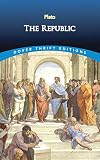
Consider The Republic by Plato. Recommended by 13 sources.
“Plato stages an extended Socratic conversation that moves from concrete questions about justice into broad proposals about an ideal city, the structure of the soul, and what counts as reality and knowledge. Reading alternates brisk question-and-answer snippets with long, cumulative demonstrations that reward careful attention and annotation. Main value: a wealth of thought experiments for testing political and ethical intuitions. Main limitation: repetitive refutations, long policy sketches and dense metaphysical passages can feel abstruse and slow; patience and some philosophical background help.”
Similar books
How recommendation signals are reviewed
Each recommendation is collected from a public source — interviews, articles, or curated lists — and linked to its original URL. Books with many verifiable recommendations from respected people rank higher.