
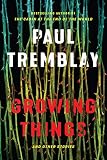
Growing Things and Other Stories
by Paul Tremblay
Reading Profile
Should I read this?
Nineteen compact, often claustrophobic horror stories anchored in domestic settings and media-driven unease. The prose favors tight scenes, economical setups, and abrupt payoffs; some pieces deliver quiet dread while others end with a sting. Best as single-session reads—many entries fit a commute or an evening—so you can sample tones without committing. The main limitation is repetition: recurring motifs and twist-dependent endings accumulate, making the second half feel familiar if you want steady novelty or consoling resolutions.
Read this if...
- •short-fiction writer revising a submission packet who needs immediate, concrete examples of scene-to-payoff compression—read now while editing to borrow pacing tricks and test which brief shock endings land without extra pages.
- •content curator or product manager assembling short-form horror episodes for a seasonal playlist who must map story length to 10–20 minute runtime—use this collection now to sample ready-made episode-sized beats and tone choices.
- •small-group book-club organizer scheduling a horror month with limited meeting time who needs multiple complete stories to assign without asking members to read a novel—pick this up before the next meeting to hand out different stories per session.
Skip this if...
- •you'll likely put it down when multiple stories follow a similar twist-dependent arc—expect repetition of beats about halfway through the collection.
- •annoying if you prefer consoling or neatly resolved endings; a lot of pieces close on ambiguity or sustained dread rather than tidy closure.
- •not a fit if you want wide emotional range—this leans heavily on domestic/psychological unease and offers little humor or sustained hope.
A chilling anthology featuring nineteen pieces of short fiction from the multiple awardwinning author of the national bestseller The Cabin at the End of the World and A Head Full of Ghosts..In The Teacher, a Bram Stoker Award nominee for best short story, a student is forced to watch a disturbing video that will haunt and torment her and her class...
Before You Buy
Reading Specifications
Difficulty:easy
Audience Fit
- short-fiction writer revising a submission packet who needs immediate, concrete examples of scene-to-payoff compression—read now while editing to borrow pacing tricks and test which brief shock endings land without extra pages.
- content curator or product manager assembling short-form horror episodes for a seasonal playlist who must map story length to 10–20 minute runtime—use this collection now to sample ready-made episode-sized beats and tone choices.
- small-group book-club organizer scheduling a horror month with limited meeting time who needs multiple complete stories to assign without asking members to read a novel—pick this up before the next meeting to hand out different stories per session.
- you'll likely put it down when multiple stories follow a similar twist-dependent arc—expect repetition of beats about halfway through the collection.
- annoying if you prefer consoling or neatly resolved endings; a lot of pieces close on ambiguity or sustained dread rather than tidy closure.
- not a fit if you want wide emotional range—this leans heavily on domestic/psychological unease and offers little humor or sustained hope.
Check formats, pricing, and availability options for Kindle, physical print, or audiobooks directly.
View available editions on AmazonKey themes
Why recommended
Recommended by 2 sources and appears in Most Recommended Books and Fiction.
Recommended by notable people
People and public figures who have recommended this book.
Recommendation Signals
Recommendation proof is sourced from public posts, interviews, reading lists, and cited references.
Stephen King
“Can't praise Paul Tremblay's GROWING THINGS highly enough. 19 creepy classics that will turn your favorite easy chair into an uneasy chair. One of the best collections of the 21st century.”
Appears In
Not sure if this is the right fit?
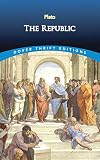
Consider The Republic by Plato. Recommended by 13 sources.
“Plato stages an extended Socratic conversation that moves from concrete questions about justice into broad proposals about an ideal city, the structure of the soul, and what counts as reality and knowledge. Reading alternates brisk question-and-answer snippets with long, cumulative demonstrations that reward careful attention and annotation. Main value: a wealth of thought experiments for testing political and ethical intuitions. Main limitation: repetitive refutations, long policy sketches and dense metaphysical passages can feel abstruse and slow; patience and some philosophical background help.”
Similar books
How recommendation signals are reviewed
Each recommendation is collected from a public source — interviews, articles, or curated lists — and linked to its original URL. Books with many verifiable recommendations from respected people rank higher.