
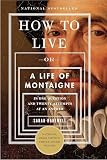
How to Live
Or A Life of Montaigne in One Question and Twenty Attempts at an Answer
by Sarah Bakewell


3 more
More Recommenders
Author and media strategist
“@kkthomason I love that book and also her At The Existentialist Café! Sarah’s on Twitter @Sarah_Bakewell She talks about Montaigne in this Philosophy Bites interview: a | A great biography of the original essayist Michel de Montaigne from the 1500?s, it also explores his philosophical questions. I loved learning about Pyrrhonian Skepticism. | A great biography of the original essayist Michel de Montaigne from the 1500’s, it also explores his philosophical questions. I loved learning about Pyrrhonian Skepticism. | A series of essays about Montaigne, who invented the essay. | How to Live: A Life of Montaigne in One Question and Twenty Attempts at an Answer by @Sarah_Bakewell "How to get along with people, how to deal with violence, how to adjust to losing someone you love—All versions of a bigger question: How do you live" | Sarah Bakewell?s ?How to Live,? on the life and work of Montaigne, is a book I love. I stole a tattoo design from it. | Sarah Bakewell’s “How to Live,” on the life and work of Montaigne, is a book I love. I stole a tattoo design from it.”
Source →“@kkthomason I love that book and also her At The Existentialist Café! Sarah’s on Twitter @Sarah_Bakewell She talks about Montaigne in this Philosophy Bites interview: a | A great biography of the original essayist Michel de Montaigne from the 1500?s, it also explores his philosophical questions. I loved learning about Pyrrhonian Skepticism. | A great biography of the original essayist Michel de Montaigne from the 1500’s, it also explores his philosophical questions. I loved learning about Pyrrhonian Skepticism. | A series of essays about Montaigne, who invented the essay. | How to Live: A Life of Montaigne in One Question and Twenty Attempts at an Answer by @Sarah_Bakewell "How to get along with people, how to deal with violence, how to adjust to losing someone you love—All versions of a bigger question: How do you live" | Sarah Bakewell?s ?How to Live,? on the life and work of Montaigne, is a book I love. I stole a tattoo design from it. | Sarah Bakewell’s “How to Live,” on the life and work of Montaigne, is a book I love. I stole a tattoo design from it.”
Source →“@kkthomason I love that book and also her At The Existentialist Café! Sarah’s on Twitter @Sarah_Bakewell She talks about Montaigne in this Philosophy Bites interview: a | A great biography of the original essayist Michel de Montaigne from the 1500?s, it also explores his philosophical questions. I loved learning about Pyrrhonian Skepticism. | A great biography of the original essayist Michel de Montaigne from the 1500’s, it also explores his philosophical questions. I loved learning about Pyrrhonian Skepticism. | A series of essays about Montaigne, who invented the essay. | How to Live: A Life of Montaigne in One Question and Twenty Attempts at an Answer by @Sarah_Bakewell "How to get along with people, how to deal with violence, how to adjust to losing someone you love—All versions of a bigger question: How do you live" | Sarah Bakewell?s ?How to Live,? on the life and work of Montaigne, is a book I love. I stole a tattoo design from it. | Sarah Bakewell’s “How to Live,” on the life and work of Montaigne, is a book I love. I stole a tattoo design from it.”
Source →Recommended by 5 notable people, including Derek Sivers and Marc Andreessen
Check price on AmazonProof-backed recommendation
Amazon availability
Reading Profile
Should I read this?
This is a conversational, essayistic book that stitches together life-lessons, anecdotes, and historical detail around a Renaissance-minded writer’s questions about how to live. It works best as bedside reading: short passages that provoke reflection rather than deliver checklists. what works best is its tone — an intimate, chatty narrator who turns old texts into modern questions. Its chief limitation is repetition and occasional meandering: readers who prefer tight argument or clear takeaways may find several passages indulgent or impressionistic.
Read this if...
- •a graduate student in humanities preparing a seminar paper on early-modern thought who needs a readable introduction and lively examples rather than dense primary-source analysis — the book supplies narrative hooks and accessible framing.
- •a mid-career adult managing grief or caregiving who wants reflective companionship and historical perspective instead of prescriptive exercises — the book offers thoughtful prompts suited to occasional reading.
- •a book-club organizer leading a discussion on practical philosophy or living well who needs anecdote-rich chapters to spark conversation and debate rather than technical philosophy.
Skip this if...
- •you'll likely put it down when long digressions and repeated life-advice refrains stack up; the middle sections can feel quotation-heavy and slow the pace.
- •annoying if you prefer actionable, bullet-pointed guidance — the book lacks hands-on exercises and clear stepwise instructions.
- •not for readers wanting a tightly argued academic biography; the tone is impressionistic and sometimes sentimental rather than rigorously analytic.
Winner of the 2010 National Book Critics Circle Award for BiographyHow to get along with people, how to deal with violence, how to adjust to losing someone you love—such questions arise in most people’s lives. They are all versions of a bigger question: How do you live This question obsessed Renaissance writers, none more than Michel Eyquem de Mon...
Before You Buy
Reading Specifications
Difficulty:hard
Audience Fit
- a graduate student in humanities preparing a seminar paper on early-modern thought who needs a readable introduction and lively examples rather than dense primary-source analysis — the book supplies narrative hooks and accessible framing.
- a mid-career adult managing grief or caregiving who wants reflective companionship and historical perspective instead of prescriptive exercises — the book offers thoughtful prompts suited to occasional reading.
- a book-club organizer leading a discussion on practical philosophy or living well who needs anecdote-rich chapters to spark conversation and debate rather than technical philosophy.
- you'll likely put it down when long digressions and repeated life-advice refrains stack up; the middle sections can feel quotation-heavy and slow the pace.
- annoying if you prefer actionable, bullet-pointed guidance — the book lacks hands-on exercises and clear stepwise instructions.
- not for readers wanting a tightly argued academic biography; the tone is impressionistic and sometimes sentimental rather than rigorously analytic.
Check formats, pricing, and availability options for Kindle, physical print, or audiobooks directly.
View available editions on AmazonKey themes
Why recommended
Recommended by 8 sources and appears in Modern Philosophy, Books Recommended by Ryan Holiday, and Most Recommended Books.
Recommended by notable people
People and public figures who have recommended this book.
Recommendation Signals
Recommendation proof is sourced from public posts, interviews, reading lists, and cited references.
Derek Sivers
Author; founder of CD Baby
“@kkthomason I love that book and also her At The Existentialist Café! Sarah’s on Twitter @Sarah_Bakewell She talks about Montaigne in this Philosophy Bites interview: a | A great biography of the original essayist Michel de Montaigne from the 1500?s, it also explores his philosophical questions. I loved learning about Pyrrhonian Skepticism. | A great biography of the original essayist Michel de Montaigne from the 1500’s, it also explores his philosophical questions. I loved learning about Pyrrhonian Skepticism. | A series of essays about Montaigne, who invented the essay. | How to Live: A Life of Montaigne in One Question and Twenty Attempts at an Answer by @Sarah_Bakewell "How to get along with people, how to deal with violence, how to adjust to losing someone you love—All versions of a bigger question: How do you live" | Sarah Bakewell?s ?How to Live,? on the life and work of Montaigne, is a book I love. I stole a tattoo design from it. | Sarah Bakewell’s “How to Live,” on the life and work of Montaigne, is a book I love. I stole a tattoo design from it.”
View sources (5) ▾80%
Appears In
Not sure if this is the right fit?
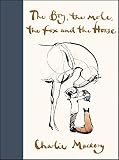
Consider The Boy, the Mole, the Fox and the Horse by Charlie Mackesy. Recommended by 8 sources.
“Soft-spoken, heavily illustrated fable built from short dialogues and watercolor sketches. Each spread pairs a spare line of text with a loose drawing, so the pleasure is visual and aphoristic rather than narrative; readers collect felt-true sentences more than plot. Most useful when you want quick consolations, a prompt for conversation with a child, or a pause during a rough day. Limiting if you want sustained argument, concrete advice, or tightly plotted storytelling: the repetition of gentleness can feel sentimental or thin after a while.”
Similar books
The Boy, the Mole, the Fox and the Horse
Charlie Mackesy
The World as It Is
Ben Rhodes
Out of Control
Kevin Kelly
The Bully Pulpit
Doris Kearns Goodwin
The Seven Spiritual Laws of Success
Deepak Chopra
Billions and Billions
Carl Sagan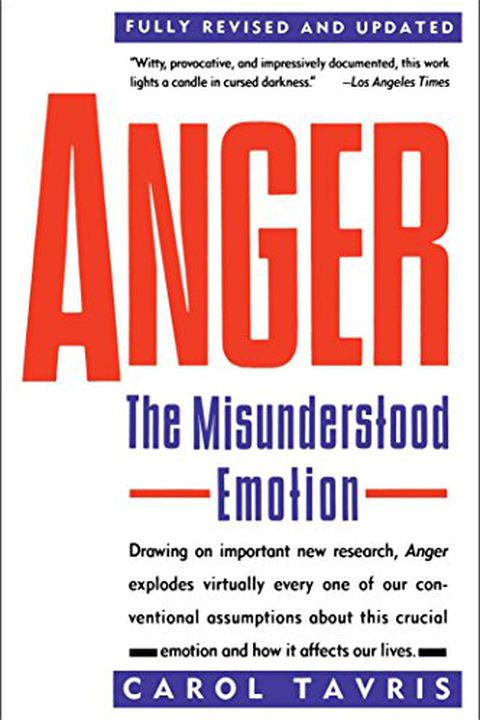
Anger
Gary ChapmanFactfulness
Hans RoslingHow recommendation signals are reviewed
Each recommendation is collected from a public source — interviews, articles, or curated lists — and linked to its original URL. Books with many verifiable recommendations from respected people rank higher.