
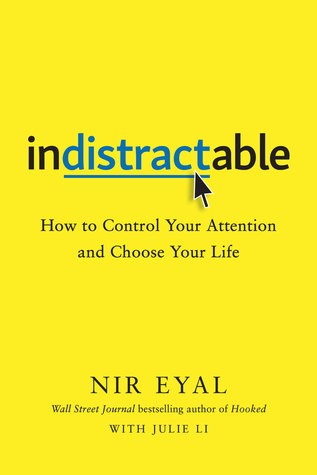
Indistractable
How to Control Your Attention and Choose Your Life
by Nir Eyal

8 more
More Recommenders
“@jgombita @nireyal Great lessons from his fine book, Indistractable. I recommended it a few weeks back in my newsletter: | I highly recommend @nireyal's new book, Indistractable. Nir and I disagree on whether phones are a cause of rising in teen depression, but his book is full of great ideas for improving your relationship with your phone, and "hacking back" your time.”
Source →“@jgombita @nireyal Great lessons from his fine book, Indistractable. I recommended it a few weeks back in my newsletter: | I highly recommend @nireyal's new book, Indistractable. Nir and I disagree on whether phones are a cause of rising in teen depression, but his book is full of great ideas for improving your relationship with your phone, and "hacking back" your time.”
Source →“@jgombita @nireyal Great lessons from his fine book, Indistractable. I recommended it a few weeks back in my newsletter: | I highly recommend @nireyal's new book, Indistractable. Nir and I disagree on whether phones are a cause of rising in teen depression, but his book is full of great ideas for improving your relationship with your phone, and "hacking back" your time.”
Source →“@jgombita @nireyal Great lessons from his fine book, Indistractable. I recommended it a few weeks back in my newsletter: | I highly recommend @nireyal's new book, Indistractable. Nir and I disagree on whether phones are a cause of rising in teen depression, but his book is full of great ideas for improving your relationship with your phone, and "hacking back" your time.”
Source →“@jgombita @nireyal Great lessons from his fine book, Indistractable. I recommended it a few weeks back in my newsletter: | I highly recommend @nireyal's new book, Indistractable. Nir and I disagree on whether phones are a cause of rising in teen depression, but his book is full of great ideas for improving your relationship with your phone, and "hacking back" your time.”
Source →“@jgombita @nireyal Great lessons from his fine book, Indistractable. I recommended it a few weeks back in my newsletter: | I highly recommend @nireyal's new book, Indistractable. Nir and I disagree on whether phones are a cause of rising in teen depression, but his book is full of great ideas for improving your relationship with your phone, and "hacking back" your time.”
Source →“@jgombita @nireyal Great lessons from his fine book, Indistractable. I recommended it a few weeks back in my newsletter: | I highly recommend @nireyal's new book, Indistractable. Nir and I disagree on whether phones are a cause of rising in teen depression, but his book is full of great ideas for improving your relationship with your phone, and "hacking back" your time.”
Source →“@jgombita @nireyal Great lessons from his fine book, Indistractable. I recommended it a few weeks back in my newsletter: | I highly recommend @nireyal's new book, Indistractable. Nir and I disagree on whether phones are a cause of rising in teen depression, but his book is full of great ideas for improving your relationship with your phone, and "hacking back" your time.”
Source →Recommended by 10 notable people, including Adam Grant and Balaji S. Srinivasan
Check price on AmazonProof-backed recommendation
Amazon availability
Reading Profile
Should I read this?
Indistractable reads like a product manager's manual for your own focus. Eyal breaks distraction into internal triggers, external triggers, and planning traps, offering hacks to schedule time, tame notifications, and make pacts. The practical approach is immediately usable if you're already sold on time-blocking. The limitation is an optimization-heavy tone that frames family and meaningful work as efficiency problems, leaving little room for messiness. It's tactical, not philosophical.
Read this if...
- •A remote software engineer who starts each morning with intention but loses hours to unplanned scrolling and needs a concrete system to pre-decide their day's focus.
- •A new parent struggling to protect evening family time from work pings and device habits, wanting clear, non-obvious tactics to create boundaries without feeling guilty.
- •A middle manager in an open-plan office, constantly interrupted by chatty colleagues and Slack notifications, seeking a repeatable method to signal real availability without alienating the team.
Skip this if...
- •You'll likely put the book down midway when the same productivity tactics get repackaged across chapters—the repetition can feel tedious.
- •You'll lose interest if you're looking for a deep look at attention ethics; the book's narrow focus on personal optimization may strike you as preachy by the time you hit the 'pacts' section.
- •No hands-on exercises or worksheets—if you want a workbook-style companion, you'll find it lacks structured practice, likely making you skim the later chapters.
You sit down at your desk to work on an important project, but a notification on your phone interrupts your morning. Later, as you're about to get back to work, a colleague taps you on the shoulder to chat. At home, screens get in the way of quality time with your family. Another day goes by, and once again, your most important personal and profess...
Before You Buy
Reading Specifications
Difficulty:easy
Audience Fit
- A remote software engineer who starts each morning with intention but loses hours to unplanned scrolling and needs a concrete system to pre-decide their day's focus.
- A new parent struggling to protect evening family time from work pings and device habits, wanting clear, non-obvious tactics to create boundaries without feeling guilty.
- A middle manager in an open-plan office, constantly interrupted by chatty colleagues and Slack notifications, seeking a repeatable method to signal real availability without alienating the team.
- You'll likely put the book down midway when the same productivity tactics get repackaged across chapters—the repetition can feel tedious.
- You'll lose interest if you're looking for a deep look at attention ethics; the book's narrow focus on personal optimization may strike you as preachy by the time you hit the 'pacts' section.
- No hands-on exercises or worksheets—if you want a workbook-style companion, you'll find it lacks structured practice, likely making you skim the later chapters.
Check formats, pricing, and availability options for Kindle, physical print, or audiobooks directly.
View available editions on AmazonKey themes
Why recommended
Recommended by 13 sources and appears in Time Management, Most Recommended Books, and Psychology.
Recommended by notable people
People and public figures who have recommended this book.
Recommendation Signals
Recommendation proof is sourced from public posts, interviews, reading lists, and cited references.
Ryan Hoover
“@jgombita @nireyal Great lessons from his fine book, Indistractable. I recommended it a few weeks back in my newsletter: | I highly recommend @nireyal's new book, Indistractable. Nir and I disagree on whether phones are a cause of rising in teen depression, but his book is full of great ideas for improving your relationship with your phone, and "hacking back" your time.”
View sources (3) ▾80%
Appears In

Not sure if this is the right fit?
Consider The Boy, the Mole, the Fox and the Horse by Charlie Mackesy. Recommended by 8 sources.
“Soft-spoken, heavily illustrated fable built from short dialogues and watercolor sketches. Each spread pairs a spare line of text with a loose drawing, so the pleasure is visual and aphoristic rather than narrative; readers collect felt-true sentences more than plot. Most useful when you want quick consolations, a prompt for conversation with a child, or a pause during a rough day. Limiting if you want sustained argument, concrete advice, or tightly plotted storytelling: the repetition of gentleness can feel sentimental or thin after a while.”
Similar books
The Boy, the Mole, the Fox and the Horse
Charlie Mackesy
The World as It Is
Ben Rhodes
Out of Control
Kevin Kelly
The Bully Pulpit
Doris Kearns Goodwin
The Seven Spiritual Laws of Success
Deepak Chopra
Billions and Billions
Carl Sagan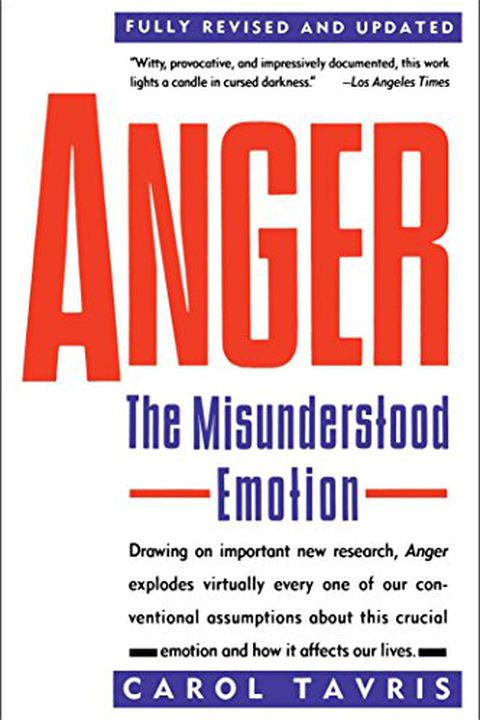
Anger
Gary ChapmanFactfulness
Hans RoslingHow recommendation signals are reviewed
Each recommendation is collected from a public source — interviews, articles, or curated lists — and linked to its original URL. Books with many verifiable recommendations from respected people rank higher.