
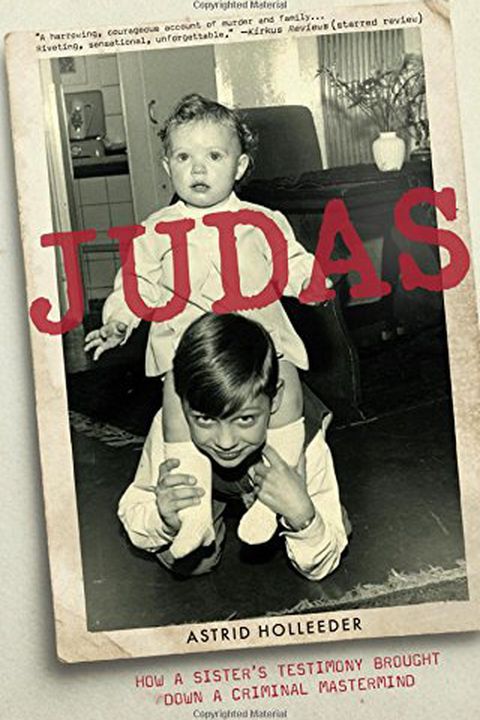
Judas
by Amos Oz
Reading Profile
Should I read this?
A spare, meditative novel set in 1959 Jerusalem, Judas follows Shmuel Ash, a young biblical scholar who becomes caregiver to the irascible Gershom Wald and becomes entangled with Atalia Abravanel. Reading feels like listening to private confessions: concentrated, character-driven, and heavy on philosophical teasing about faith, betrayal, and political inheritance. Useful value: close, literary scenes and moral ambiguity that reward slow attention. Limitation: deliberate repetition and interior rumination slow forward motion, so impatient plot-seekers will feel stalled.
Read this if...
- •a graduate student in literature comparing mid-20th-century Hebrew fiction who needs a short, dense text to analyze character-driven moral argument and political memory
- •a community-book-club leader planning a two-meeting discussion on loyalty and ideology who wants a compact novel that surfaces ethical questions rather than offering clear answers
- •a mid-level professional (teacher, pastor, social worker) taking a reflective break from career pressure, interested in intimate portraits of longing and conscience rather than plot-driven escapism
Skip this if...
- •you'll likely put it down when the narration returns to similar musings about guilt and faith—readers who need forward momentum or frequent plot twists will lose patience
- •annoying if you prefer brisk dialogue and action: long stretches of interior thought and repeated thematic beats can feel repetitive
- •frustrating if you want contemporary political analysis or explicit historical detail rather than a personal, literary focus on characters' inner lives
Jerusalem, 1959. Shmuel Ash, a biblical scholar, is adrift in his young life when he finds work as a caregiver for a brilliant but cantankerous old man named Gershom Wald. There is, however, a third, mysterious presence in his new home. Atalia Abravanel, the daughter of a deceased Zionist leader, a beautiful woman in her forties, entrances young Sh...
Before You Buy
Reading Specifications
Difficulty:hard
Audience Fit
- a graduate student in literature comparing mid-20th-century Hebrew fiction who needs a short, dense text to analyze character-driven moral argument and political memory
- a community-book-club leader planning a two-meeting discussion on loyalty and ideology who wants a compact novel that surfaces ethical questions rather than offering clear answers
- a mid-level professional (teacher, pastor, social worker) taking a reflective break from career pressure, interested in intimate portraits of longing and conscience rather than plot-driven escapism
- you'll likely put it down when the narration returns to similar musings about guilt and faith—readers who need forward momentum or frequent plot twists will lose patience
- annoying if you prefer brisk dialogue and action: long stretches of interior thought and repeated thematic beats can feel repetitive
- frustrating if you want contemporary political analysis or explicit historical detail rather than a personal, literary focus on characters' inner lives
Check formats, pricing, and availability options for Kindle, physical print, or audiobooks directly.
View available editions on AmazonKey themes
Why recommended
Recommended by 1 source and appears in Spirituality, Fiction, and Nonfiction.
Recommended by notable people
People and public figures who have recommended this book.
Recommendation Signals
Recommendation proof is sourced from public posts, interviews, reading lists, and cited references.
Appears In
Not sure if this is the right fit?
Consider The War for Kindness by Jamil Zaki. Recommended by 4 sources.
Similar books
The War for Kindness
Jamil Zaki
A Guide to the I Ching
Carol K. Anthony
NoNonsense Buddhism for Beginners
Noah Rasheta
An Open Heart
Dalai Lama
Awakening the Buddha Within
Lama Surya Das
Fasting
Jentezen Franklin
Human Design
Chetan ParkynThe Monk Who Sold His Ferrari
Robin SharmaHow recommendation signals are reviewed
Each recommendation is collected from a public source — interviews, articles, or curated lists — and linked to its original URL. Books with many verifiable recommendations from respected people rank higher.