
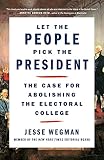
Let the People Pick the President
The Case for Abolishing the Electoral College
by Jesse Wegman
Recommended by Ezra Klein and Chris Fralic
Check price on AmazonProof-backed recommendation
Amazon availability
Reading Profile
Should I read this?
Jesse Wegman traces the Electoral College’s origins, mechanics, and modern consequences while arguing for replacing it with a national popular vote. The narrative combines constitutional history, snapshots of electoral quirks, and a steady advocacy thread that clarifies why the system distorts representation. Its useful parts are the clear timelines and accessible explanations of arcane rules; its limits are repetition and stretches of dense legal detail that slow momentum. Best read when you want informed argument and historical grounding rather than a brief neutral primer.
Read this if...
- •a high-school civics teacher planning a unit on American elections who needs narrative history and concrete examples to prompt classroom debate and student research projects
- •a state legislator or legislative staffer weighing electoral reform options who wants context on constitutional hooks, historical attempts at change, and likely political obstacles
- •a community organizer preparing to lobby local officials or run a town-hall session who needs historical framing and clear talking points to explain why the current system produces odd outcomes
Skip this if...
- •you'll likely put it down when long passages dig into dense legal-history and repeated case detail that slow the narrative
- •annoying if you prefer strictly neutral accounts — the prose argues for reform and keeps circling back to the same examples
- •not for readers seeking a short, neutral primer or a practical, step-by-step activist manual focused on campaigning tactics
"The Electoral College is a disaster for a democracy." —Donald TrumpThe framers of the Constitution battled over it. Lawmakers have tried to amend or abolish it more than 700 times. To this day, millions of voters, and even members of Congress, misunderstand how it works. It deepens our national divide and distorts the core democratic principles of...
Before You Buy
Reading Specifications
Difficulty:medium
Audience Fit
- a high-school civics teacher planning a unit on American elections who needs narrative history and concrete examples to prompt classroom debate and student research projects
- a state legislator or legislative staffer weighing electoral reform options who wants context on constitutional hooks, historical attempts at change, and likely political obstacles
- a community organizer preparing to lobby local officials or run a town-hall session who needs historical framing and clear talking points to explain why the current system produces odd outcomes
- you'll likely put it down when long passages dig into dense legal-history and repeated case detail that slow the narrative
- annoying if you prefer strictly neutral accounts — the prose argues for reform and keeps circling back to the same examples
- not for readers seeking a short, neutral primer or a practical, step-by-step activist manual focused on campaigning tactics
Check formats, pricing, and availability options for Kindle, physical print, or audiobooks directly.
View available editions on AmazonKey themes
Why recommended
Recommended by 3 sources and appears in Most Recommended Books, Politics, and History.
Recommended by notable people
People and public figures who have recommended this book.
Recommendation Signals
Recommendation proof is sourced from public posts, interviews, reading lists, and cited references.
Ezra Klein
“@orenjacob It’s a great book. Opened my eyes. The electoral college is pure compromise and not based on any principal. It helped put us where we are literally today. It’s worth a discussion. | Speaking of which, @jessewegman's new book is great if you want to go deep on the case against the electoral college:”
View sources (2) ▾80%
Appears In
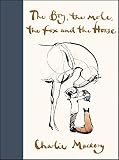
Not sure if this is the right fit?
Consider The Boy, the Mole, the Fox and the Horse by Charlie Mackesy. Recommended by 8 sources.
“Soft-spoken, heavily illustrated fable built from short dialogues and watercolor sketches. Each spread pairs a spare line of text with a loose drawing, so the pleasure is visual and aphoristic rather than narrative; readers collect felt-true sentences more than plot. Most useful when you want quick consolations, a prompt for conversation with a child, or a pause during a rough day. Limiting if you want sustained argument, concrete advice, or tightly plotted storytelling: the repetition of gentleness can feel sentimental or thin after a while.”
Similar books
The Boy, the Mole, the Fox and the Horse
Charlie Mackesy
The World as It Is
Ben Rhodes
Out of Control
Kevin Kelly
The Bully Pulpit
Doris Kearns Goodwin
The Seven Spiritual Laws of Success
Deepak Chopra
Billions and Billions
Carl Sagan
Anger
Gary ChapmanFactfulness
Hans RoslingHow recommendation signals are reviewed
Each recommendation is collected from a public source — interviews, articles, or curated lists — and linked to its original URL. Books with many verifiable recommendations from respected people rank higher.