
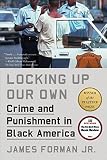
Locking Up Our Own
Crime and Punishment in Black America
by James Forman Jr.
Recommended by Jason Stanley and Jessica Gomes
Check price on AmazonProof-backed recommendation
Amazon availability
Reading Profile
Should I read this?
James Forman Jr. narrates how, in the late 20th century, many African American leaders supported tough-on-crime policies that helped expand mass incarceration. Close reading of court cases, municipal debates, and personal accounts supplies the book's informative core, and its value lies in forcing a hard look at political limitations inside affected communities. At times the legal detail and moral ambivalence slow the pace and leave readers wanting clearer policy prescriptions. Best used as historical context rather than a how-to on reform.
Read this if...
- •a policy analyst drafting a briefing on the roots of mass incarceration — wants documented historical context about local politics and trade-offs now shaping reform debates
- •a city council member preparing to argue sentencing or policing changes — needs nuanced background on why community leaders once backed punitive measures
- •a law student or public-interest lawyer studying criminal-justice history — seeks close readings of cases and political decisions that shaped contemporary practice
Skip this if...
- •you'll likely put it down when long legal and municipal case histories pile up and the narrative slows — readers wanting a brisk polemic or short chapters may stop here
- •annoying if you prefer tidy villains and simple solutions — the book emphasizes moral ambiguity and collective responsibility rather than blame‑the‑system-only narratives
- •not a how-to: skip if you want practical step-by-step reform plans or exercises, since the focus is historical analysis and moral reflection, not policy prescriptions
In recent years, America’s criminal justice system has become the subject of an increasingly urgent debate. Critics have assailed the rise of mass incarceration, emphasizing its disproportionate impact on people of color. As James Forman, Jr., points out, however, the war on crime that began in the 1970s was supported by many African American leade...
Before You Buy
Reading Specifications
Difficulty:hard
Audience Fit
- a policy analyst drafting a briefing on the roots of mass incarceration — wants documented historical context about local politics and trade-offs now shaping reform debates
- a city council member preparing to argue sentencing or policing changes — needs nuanced background on why community leaders once backed punitive measures
- a law student or public-interest lawyer studying criminal-justice history — seeks close readings of cases and political decisions that shaped contemporary practice
- you'll likely put it down when long legal and municipal case histories pile up and the narrative slows — readers wanting a brisk polemic or short chapters may stop here
- annoying if you prefer tidy villains and simple solutions — the book emphasizes moral ambiguity and collective responsibility rather than blame‑the‑system-only narratives
- not a how-to: skip if you want practical step-by-step reform plans or exercises, since the focus is historical analysis and moral reflection, not policy prescriptions
Check formats, pricing, and availability options for Kindle, physical print, or audiobooks directly.
View available editions on AmazonKey themes
Why recommended
Recommended by 3 sources and appears in Criminal Law, Most Recommended Books, and Politics.
Recommended by notable people
People and public figures who have recommended this book.
Recommendation Signals
Recommendation proof is sourced from public posts, interviews, reading lists, and cited references.
Appears In
Not sure if this is the right fit?
Consider The Boy, the Mole, the Fox and the Horse by Charlie Mackesy. Recommended by 8 sources.
“Soft-spoken, heavily illustrated fable built from short dialogues and watercolor sketches. Each spread pairs a spare line of text with a loose drawing, so the pleasure is visual and aphoristic rather than narrative; readers collect felt-true sentences more than plot. Most useful when you want quick consolations, a prompt for conversation with a child, or a pause during a rough day. Limiting if you want sustained argument, concrete advice, or tightly plotted storytelling: the repetition of gentleness can feel sentimental or thin after a while.”
Similar books
The Boy, the Mole, the Fox and the Horse
Charlie Mackesy
The World as It Is
Ben Rhodes
Out of Control
Kevin Kelly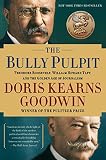
The Bully Pulpit
Doris Kearns Goodwin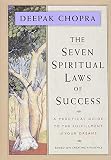
The Seven Spiritual Laws of Success
Deepak Chopra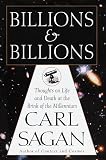
Billions and Billions
Carl Sagan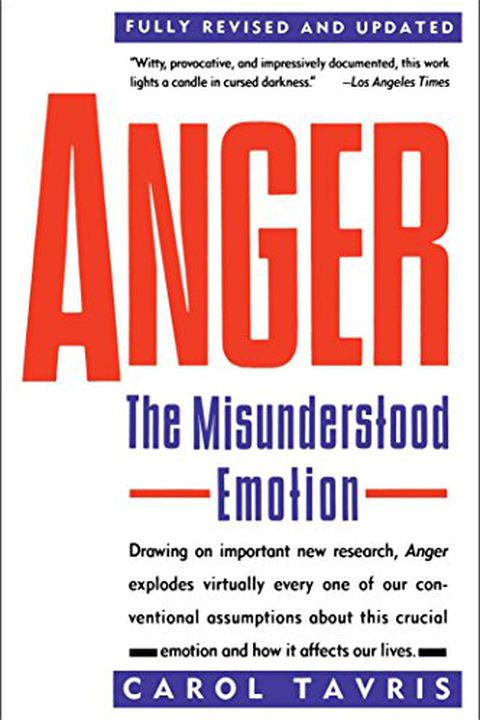
Anger
Gary ChapmanFactfulness
Hans RoslingHow recommendation signals are reviewed
Each recommendation is collected from a public source — interviews, articles, or curated lists — and linked to its original URL. Books with many verifiable recommendations from respected people rank higher.